Geography check: What is the capital city of Morocco?
If your answer is Casablanca, congratulations—your knowledge of popular culture is impressive. This idea likely comes from the 1942 film Casablanca starring Humphrey Bogart and Ingrid Bergman, which arguably made Morocco’s largest city very famous. If you answered Marrakesh, you’re not alone. I, too, until late last year was convinced that Morocco’s capital was Marrakesh. This confusion arises because Marrakesh is known as an imperial city and Morocco’s cultural capital. However, the official political capital is Rabat, which also holds the title of being an imperial city.
Situated on Morocco’s Atlantic northwest coast, this site exemplifies a rich blend of Arabo-Muslim heritage and Western modernism. This UNESCO World Heritage City includes the new town developed under the French Protectorate from 1912 to the 1930s, featuring royal and administrative zones, residential and commercial areas, and the Jardins d’Essais botanical and leisure gardens.
The site also includes older city areas dating back to the 12th century. The new town is among the largest and most ambitious modern urban developments in Africa during the 20th century, and likely the most comprehensive. The older sections feature Hassan Mosque, started in 1184, along with the Almohad ramparts and gates—remaining parts from the project of a grand capital city of the Almohad caliphate—as well as relics from the Moorish, or Andalusian, principality of the 17th century.
In summary, Rabat has earned its status by exemplifying an exceptional and comprehensive dialogue between Arab heritage, Islamic tradition, and modernism, especially European modernism of the 20th century. The city smoothly combines its 12th-century imperial history with early 20th-century French architectural advancements.
Under the UNESCO World Heritage Convention, Rabat is recognized for its unique architectural style that honors historical tradition. When building the new town, French planners intentionally preserved ancient monuments instead of tearing them down. This approach fostered a harmonious coexistence, resulting in a modern, functional administrative capital that operates effectively today while safeguarding its rich historical heritage.
This WHS includes key sites such as the Kasbah of the Udayas, a 12th-century fortified citadel overlooking the Atlantic. It is renowned for its unique blue-and-white alleys and tranquil Andalusian gardens. Additionally, it encompasses the New Town, developed under the French Protectorate starting in 1912. Recognized by UNESCO, this urban plan is among the most comprehensive and ambitious modern city designs in Africa, featuring wide boulevards, public parks, Art Deco homes, and the Jardin d’Essais botanical gardens.
During a brief visit to the capital city in November 2025, I had the opportunity to see these important sites that contribute to the city’s UNESCO designation.
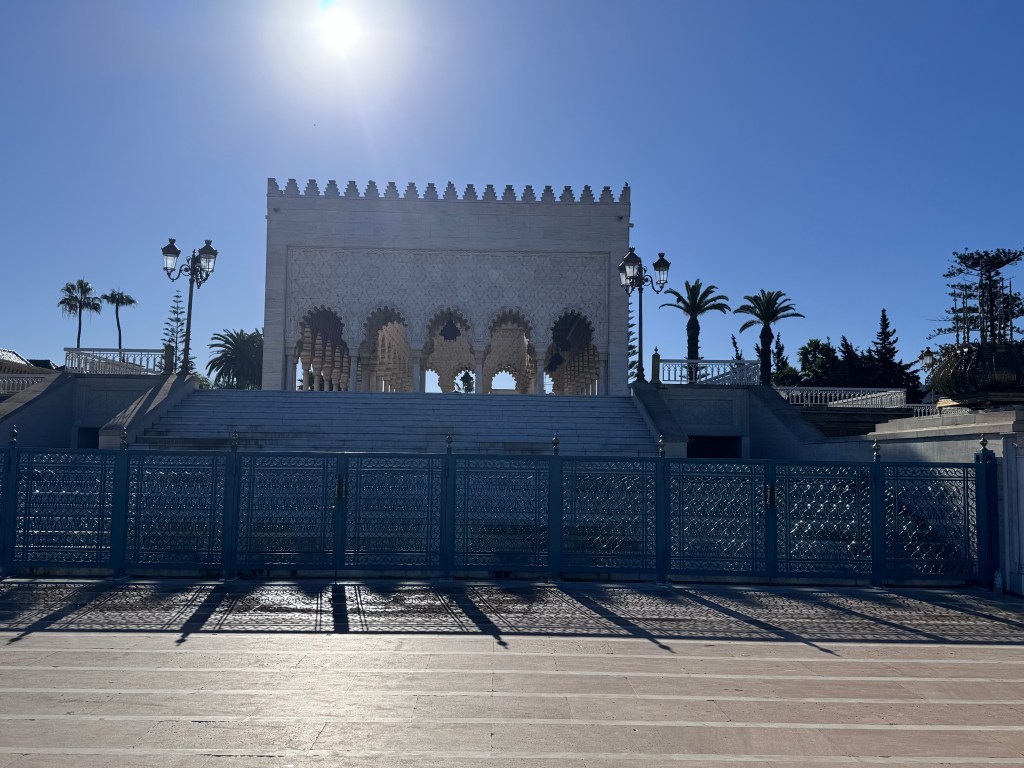
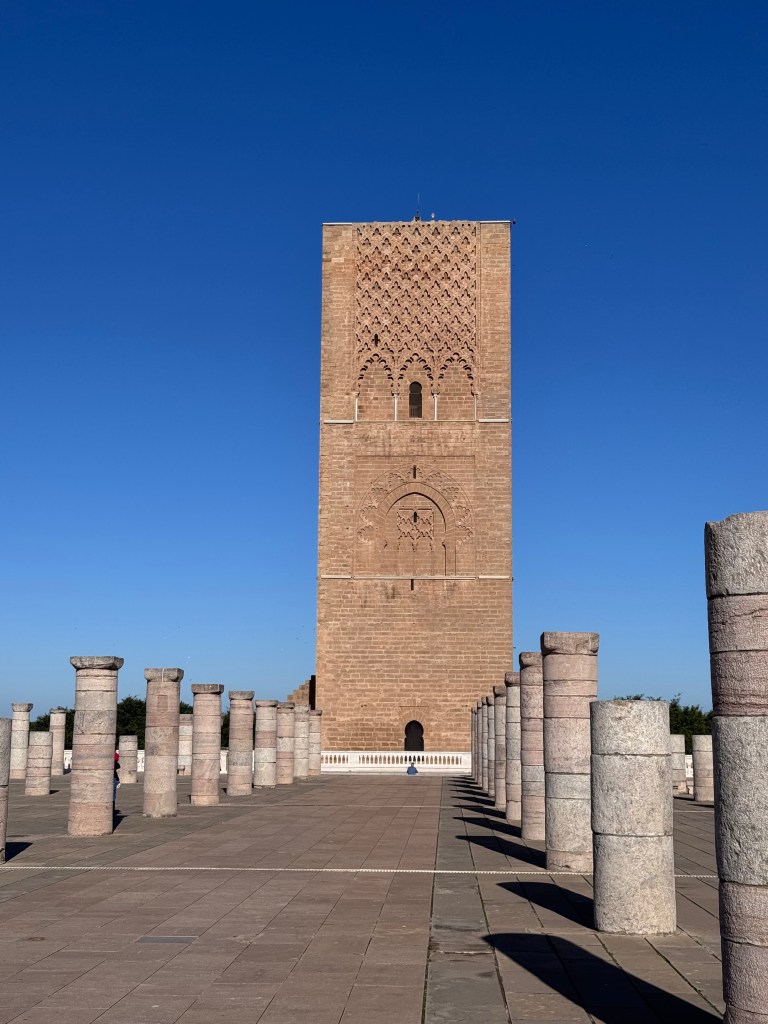
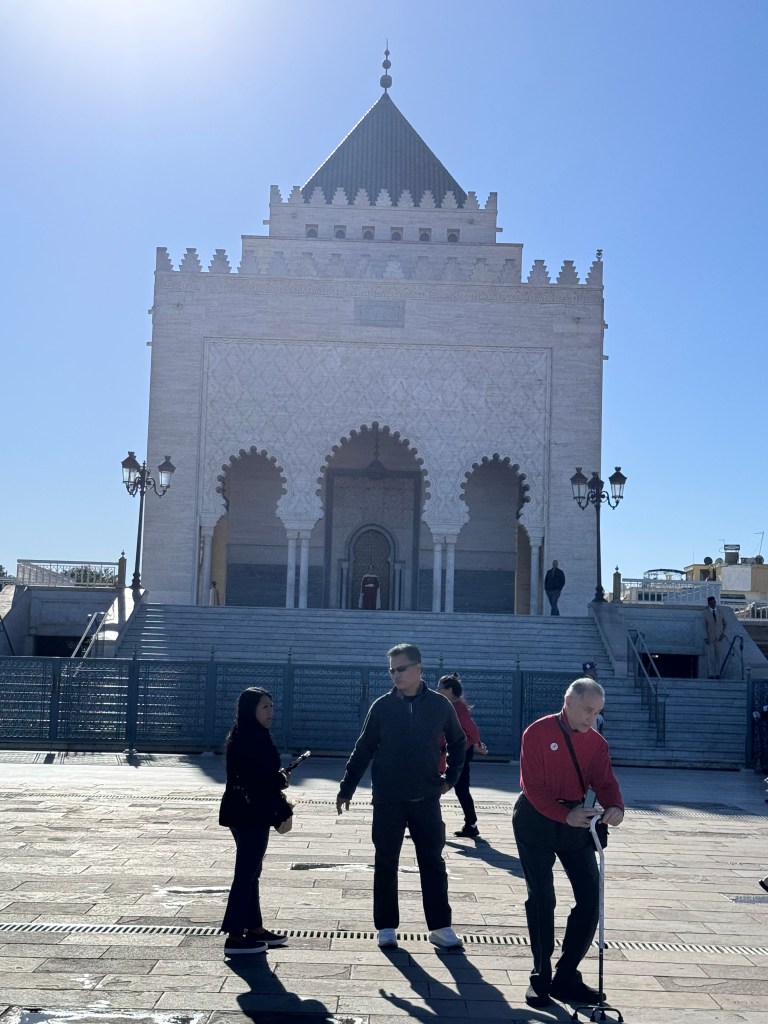
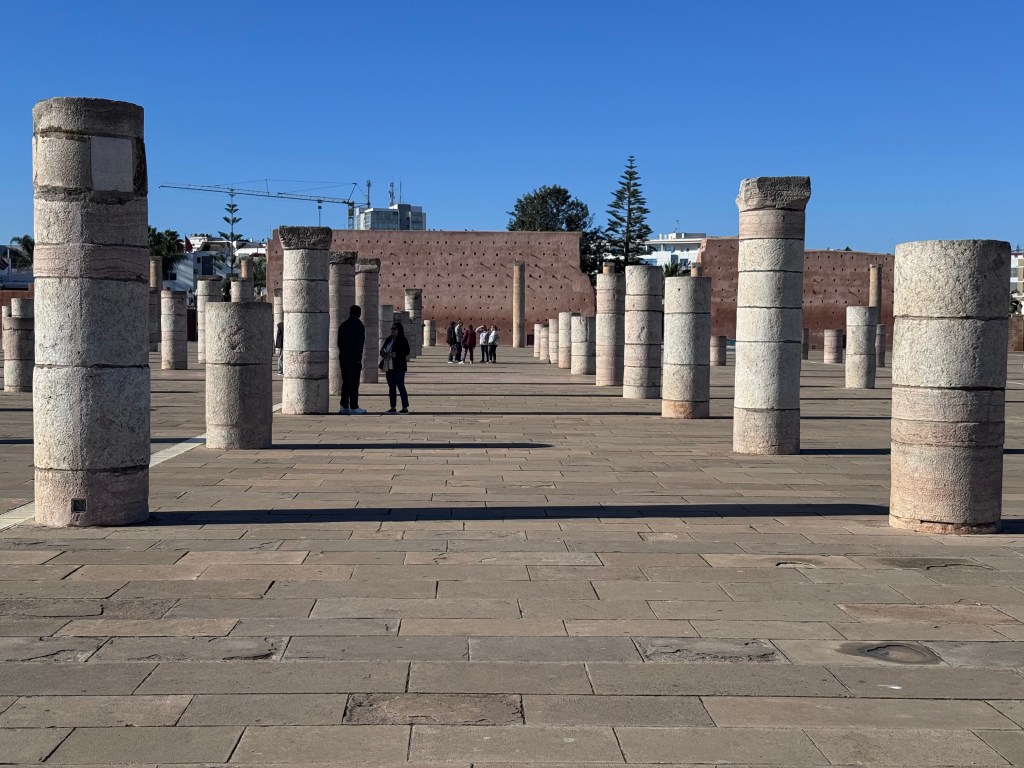
The Hasan Tower and Mosque Ruins are an iconic, unfinished 12th-century minaret commissioned by Sultan Yacoub al-Mansour. They serve as a significant testament to the Almohad Caliphate’s grandeur, standing alongside the modern Mausoleum of Mohammed V.
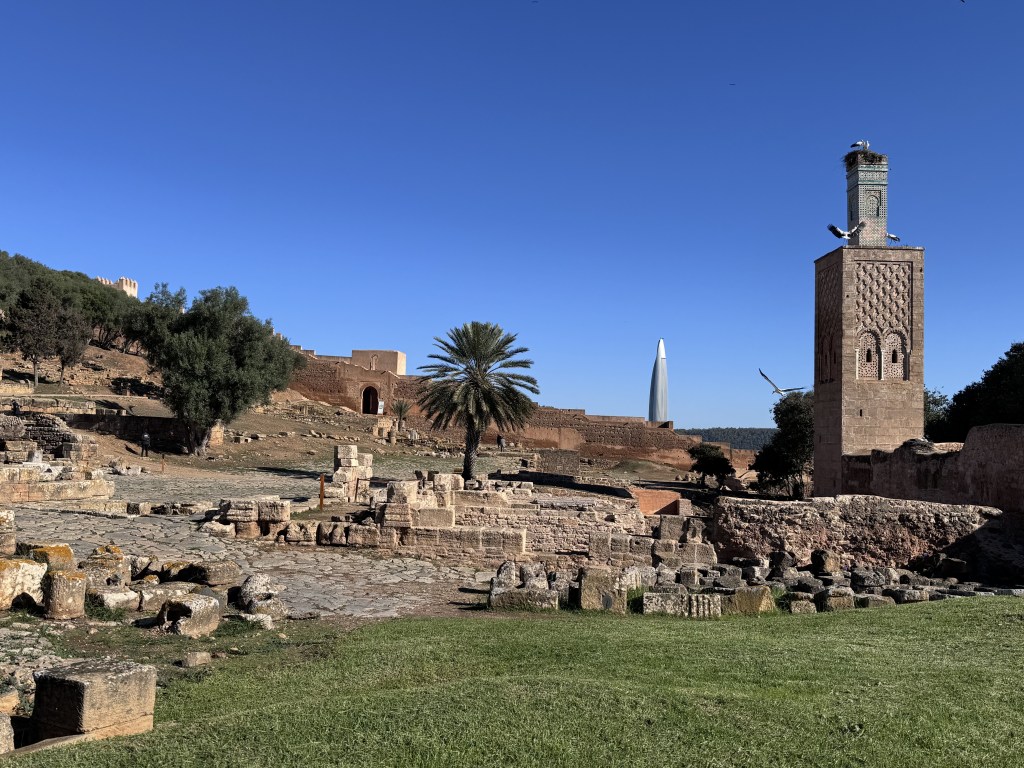
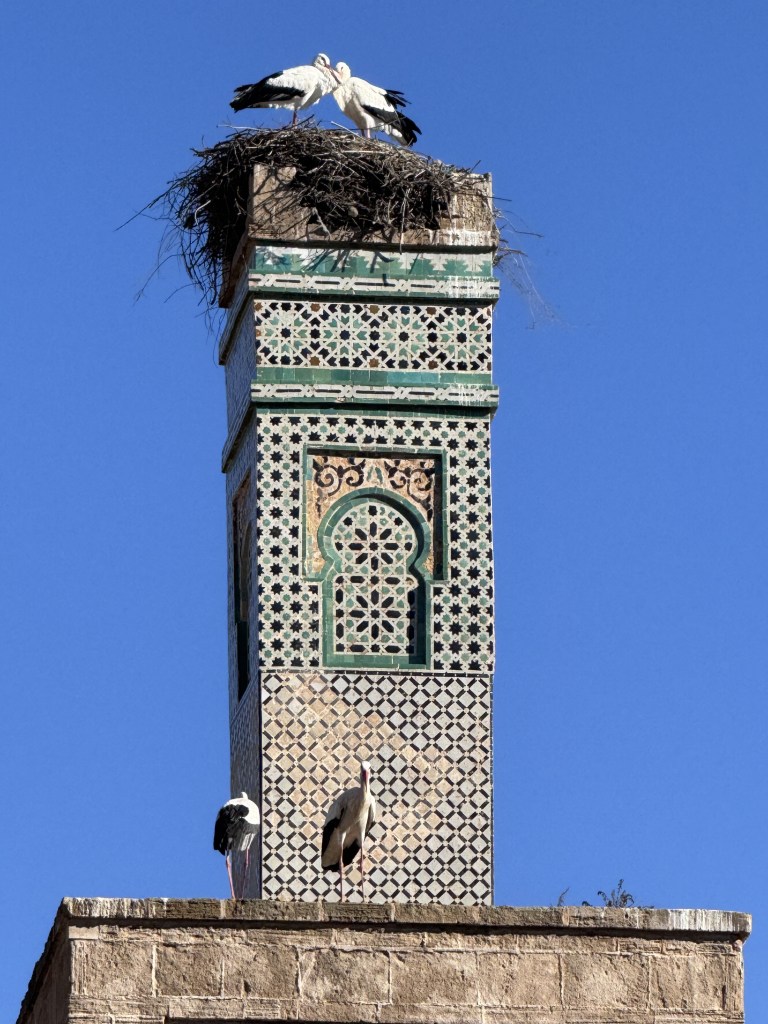
The Chellah Necropolis is a highly atmospheric, walled ancient site that features a layered history of pre-Roman and Roman ruins alongside a 13th-century medieval Islamic cemetery.
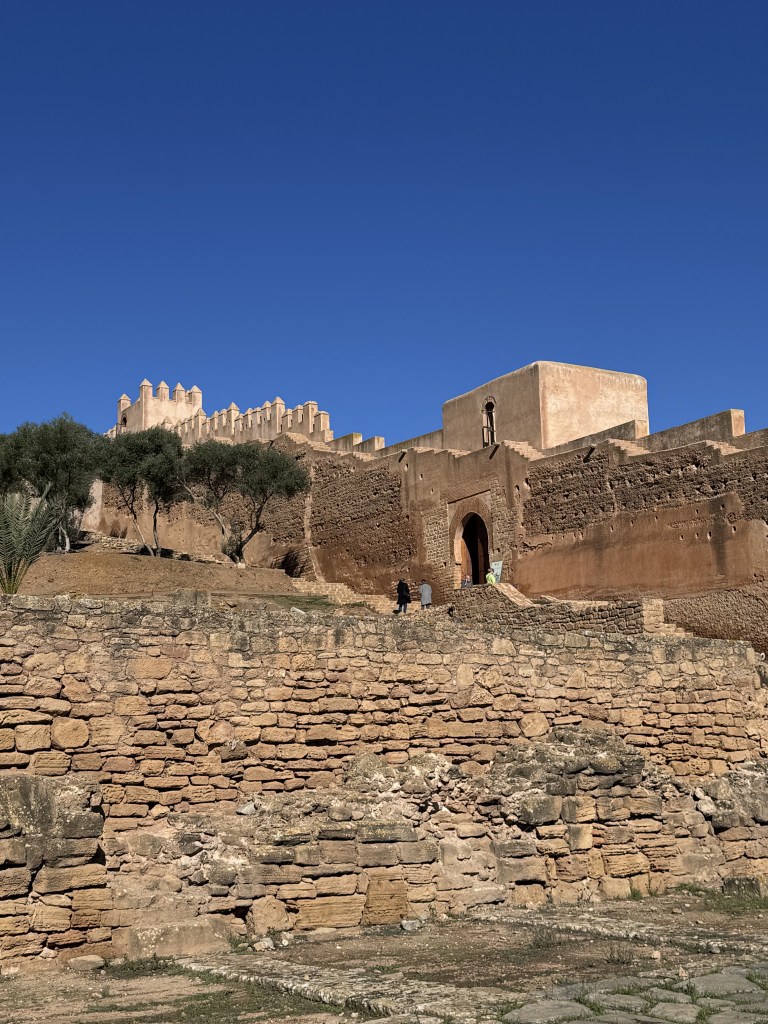
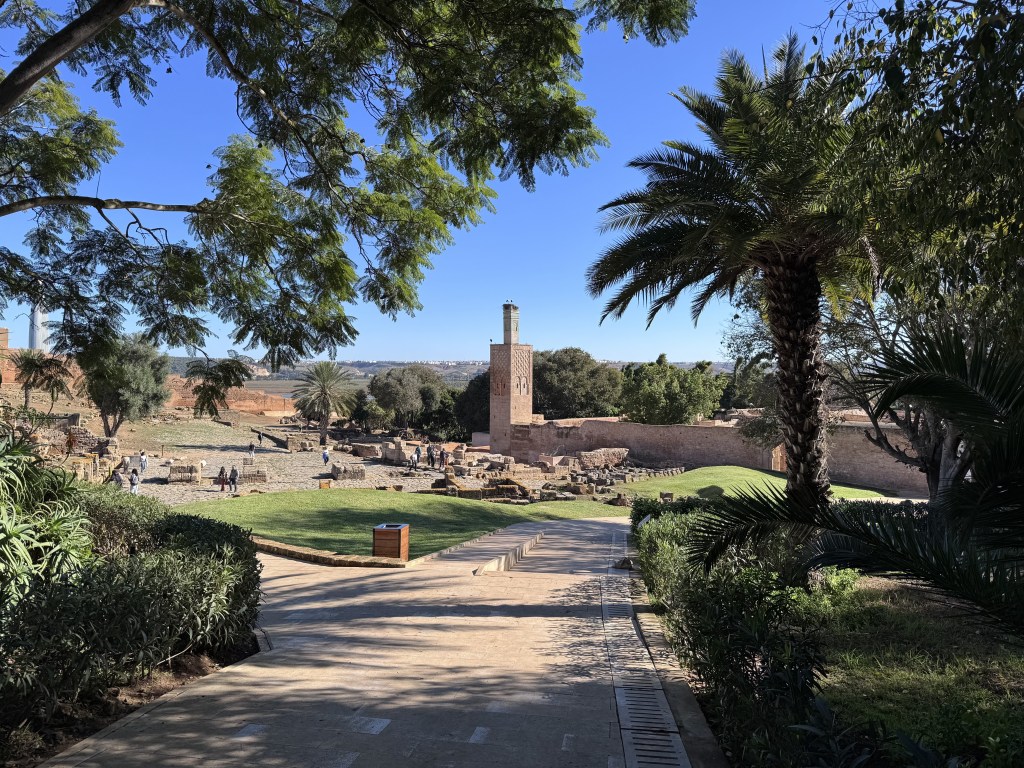
The Historic Medina is the traditional old city market district that dates back to the 17th-century Andalusian migration. It features well-preserved ramparts, gates, and residential quarters.
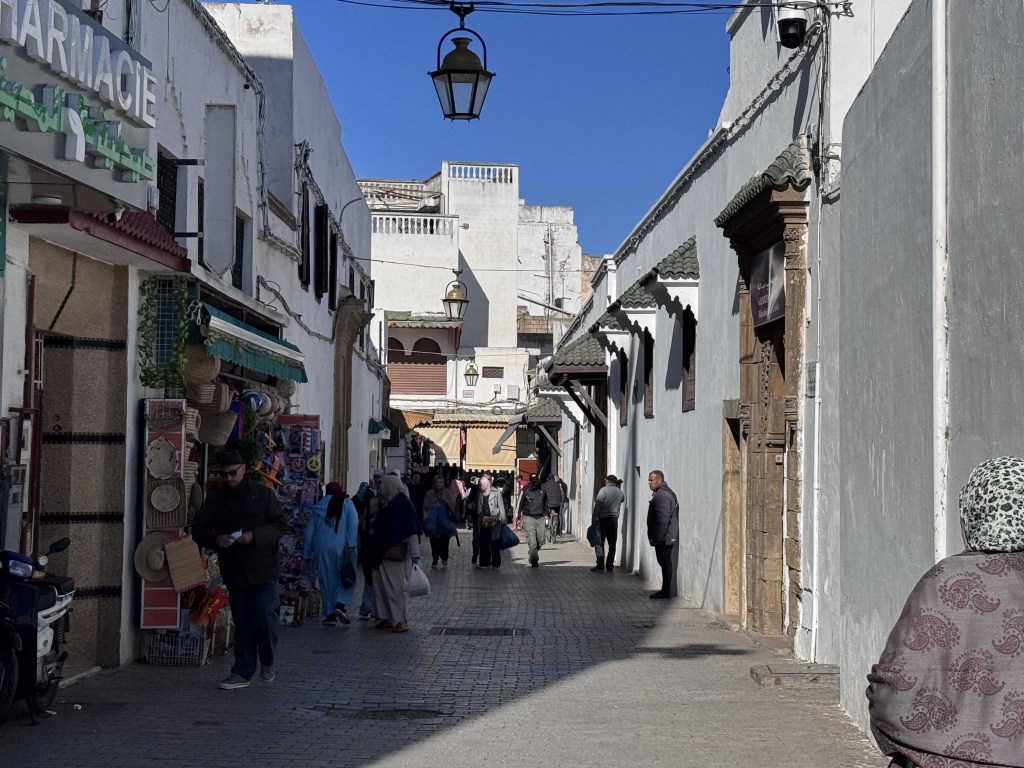
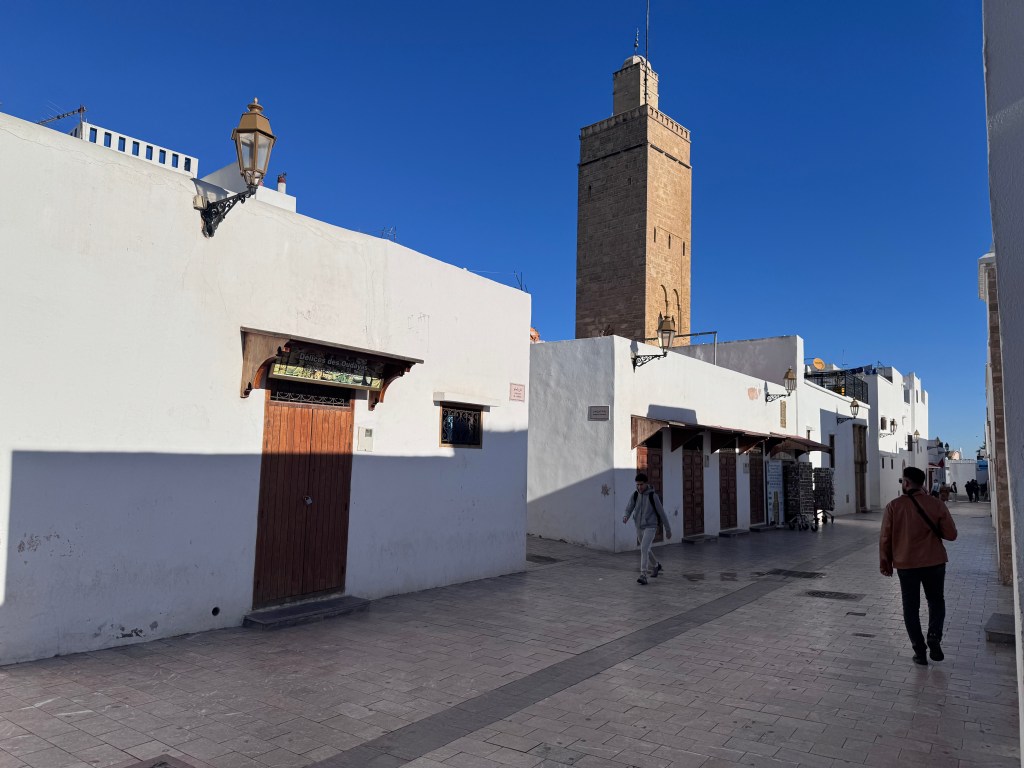
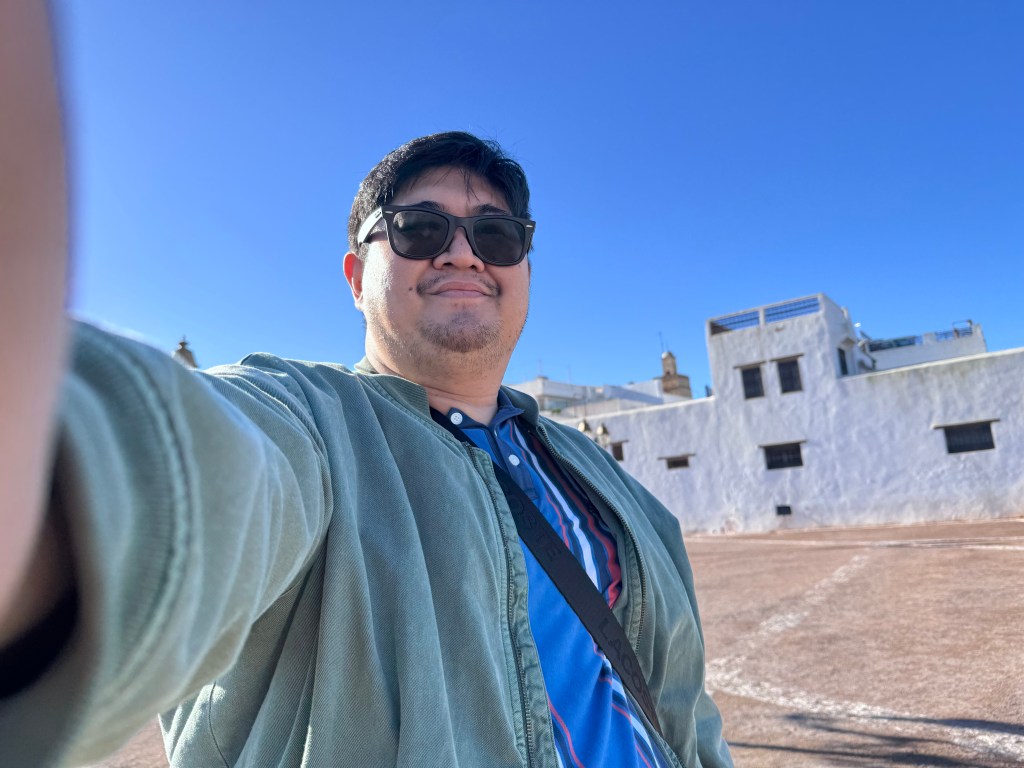
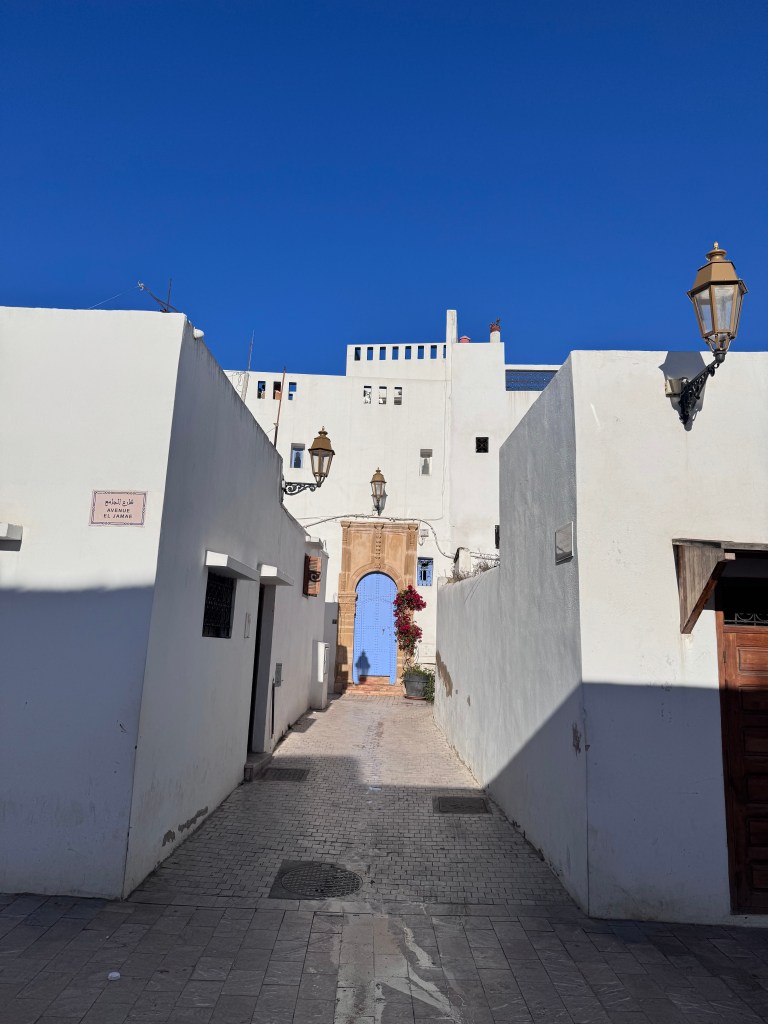
While exploring these historic districts, I gathered more insights. I discovered that when France took control of Morocco, they selected the coastal city as the new administrative hub due to its strategic position and accessibility. Additionally, Rabat has always served as Morocco’s modern capital. In fact, upon gaining independence, Morocco kept Rabat as its capital to ensure bureaucratic stability and to balance regional rivalries between Marrakesh in the south and Fez in the north.
Marrakesh grew significantly more popular than Rabat mainly because it marketed itself as an exotic cultural and sensory experience and as a highly accessible travel destination. In contrast, Rabat was intentionally developed as Morocco’s quiet, formal, and administrative capital. Although Rabat remains the political center of the country, Marrakesh attracts about a quarter of all international visitors to Morocco, thanks to its unique historical, geographic, and modern marketing appeal.

