
In an earlier post, I wrote that Marrakesh became much more popular than Rabat primarily because it promoted itself as an exotic cultural and sensory experience, as well as an easily accessible travel destination. In the same post, I indicated that Rabat was deliberately designed as Morocco’s calm, official, and administrative capital. While Rabat continues to serve as the political hub, Marrakesh draws more international tourists to Morocco due to its distinctive history, geography, and contemporary marketing strategies.
Marrakesh also offers remarkably affordable access. Marrakesh Menara Airport is well-equipped for tourism, with many direct, budget-friendly flights daily operated by low-cost airlines. For travelers from Europe, reaching Marrakesh is as inexpensive and swift as a domestic flight, unlike Rabat’s airport, which has historically offered fewer direct routes and often requires transfers in Casablanca.
Marrakesh features a luxury blueprint comparable to Casablanca. Influential 20th-century artists such as Jacques Majorelle and fashion icons like Yves Saint Laurent have heavily supported Marrakesh by purchasing properties and transforming it into a worldwide symbol of art, luxury, and haute couture. Additionally, Marrakesh pioneered the idea of Riads—traditional, elegant homes converted into boutique luxury hotels—and early on established renowned icons such as La Mamounia.
Marrakesh is perfectly positioned at the foot of the snow-capped Atlas Mountains, making it an ideal starting point for Sahara Desert adventures. Today, tour operators use it as a base for excursions, allowing visitors to leave the city in a day to trek mountains, visit Berber villages, or head toward the dunes. In contrast, Rabat, located on the Atlantic coast, remains separate from these striking desert and mountain regions.
Marrakesh has long been seen as a birthplace of North African sensorial and cultural romanticism. In November 2025, I experienced what many travel blogs describe as the Living Circus at Jemaa el-Fnaa, the historic square. The experience was vivid and theatrical, filled with snake charmers, street performers, and bustling night markets. It draws visitors wanting a lively, chaotic, and “mystical” ambiance.
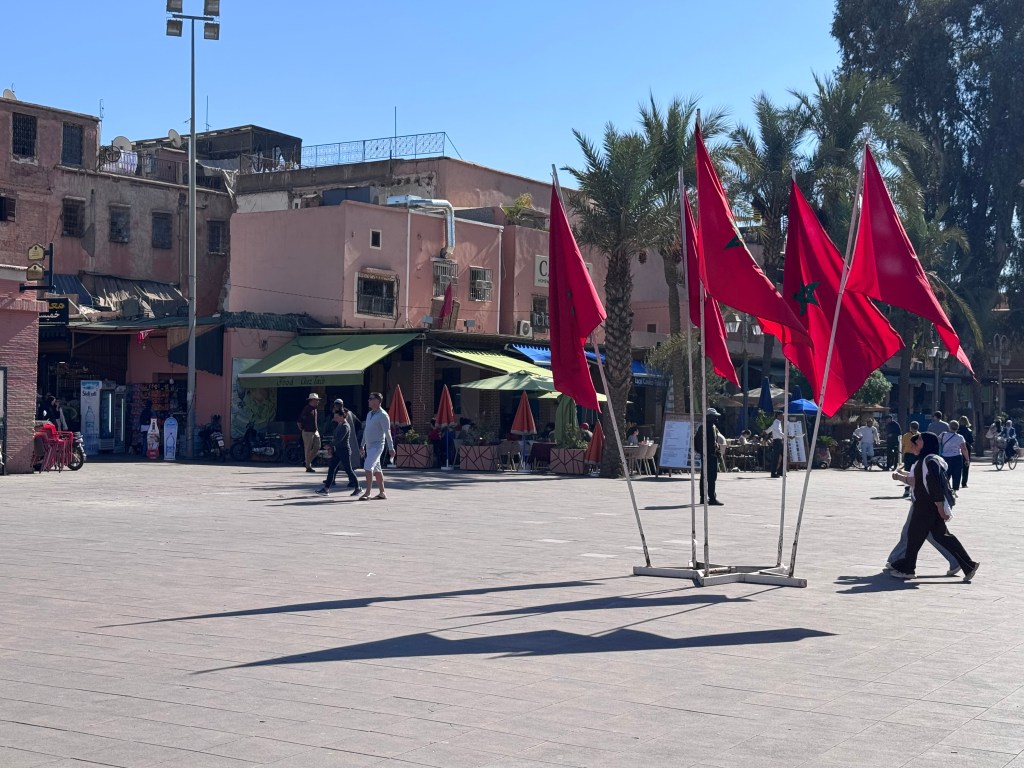
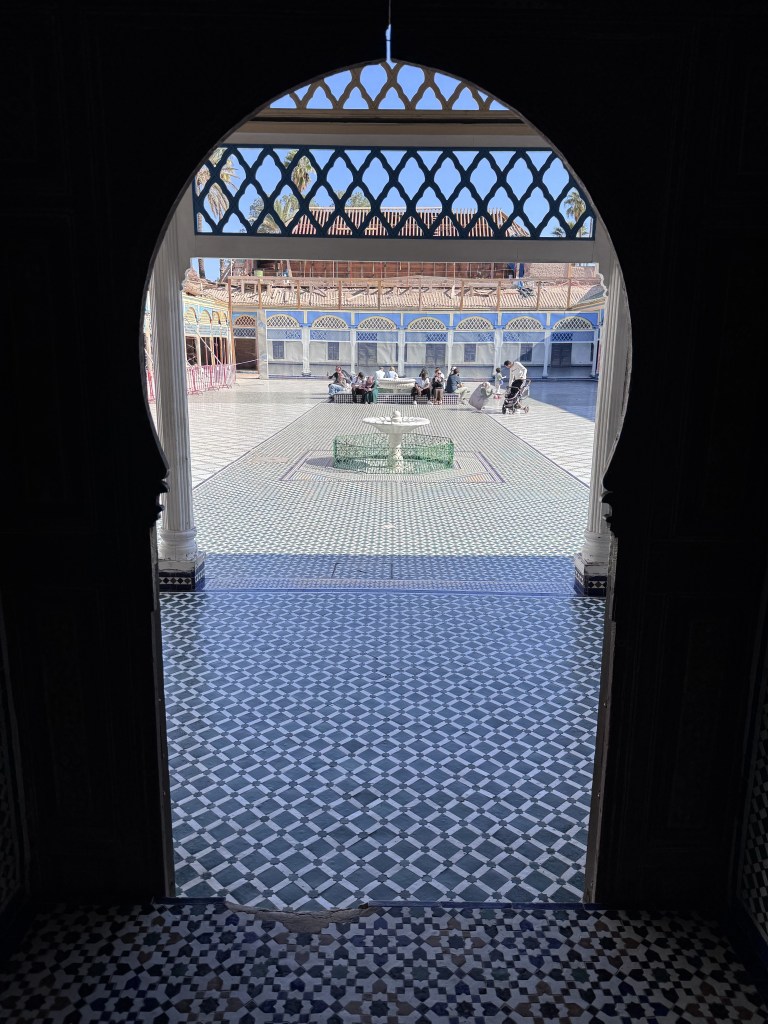
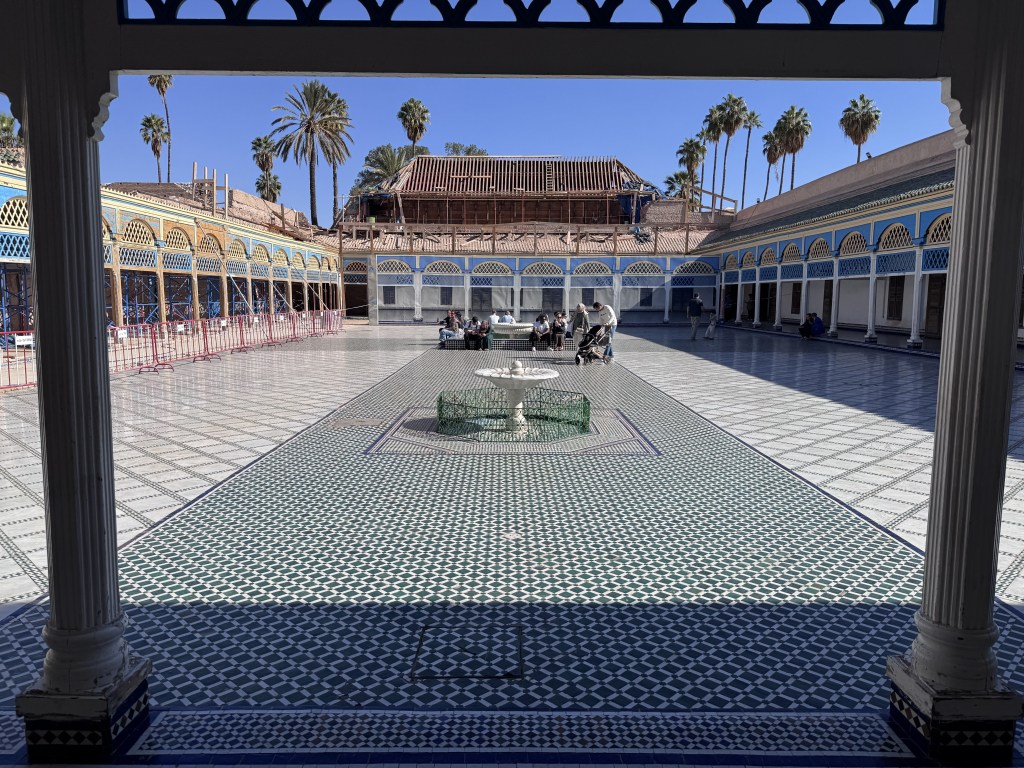
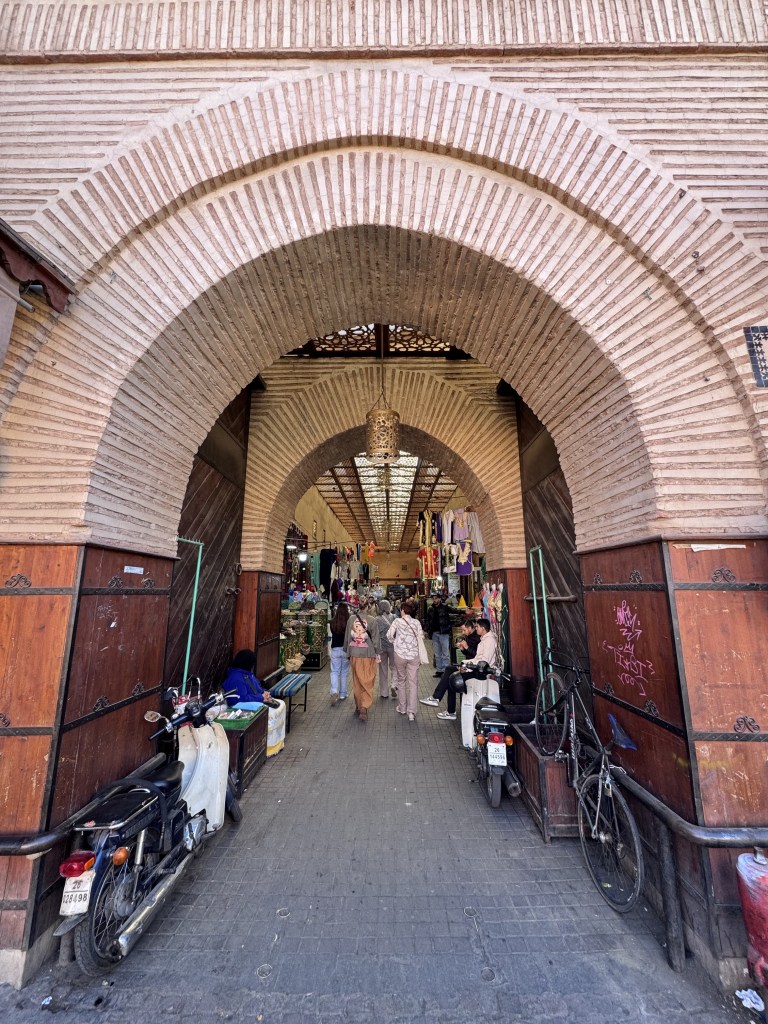
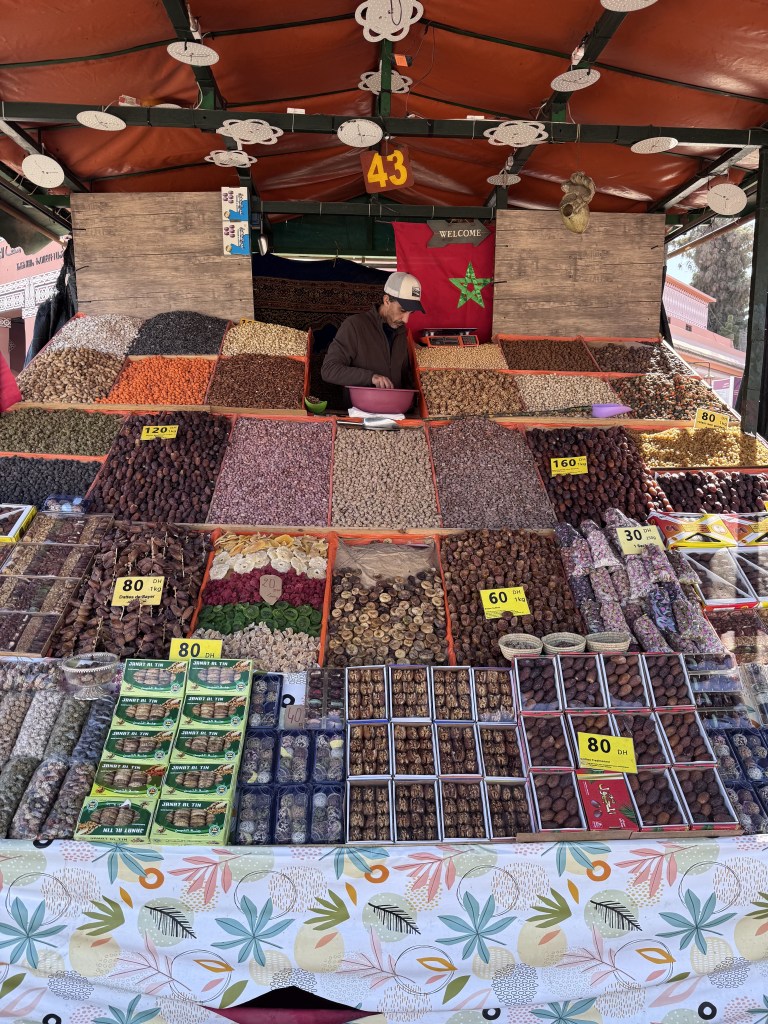
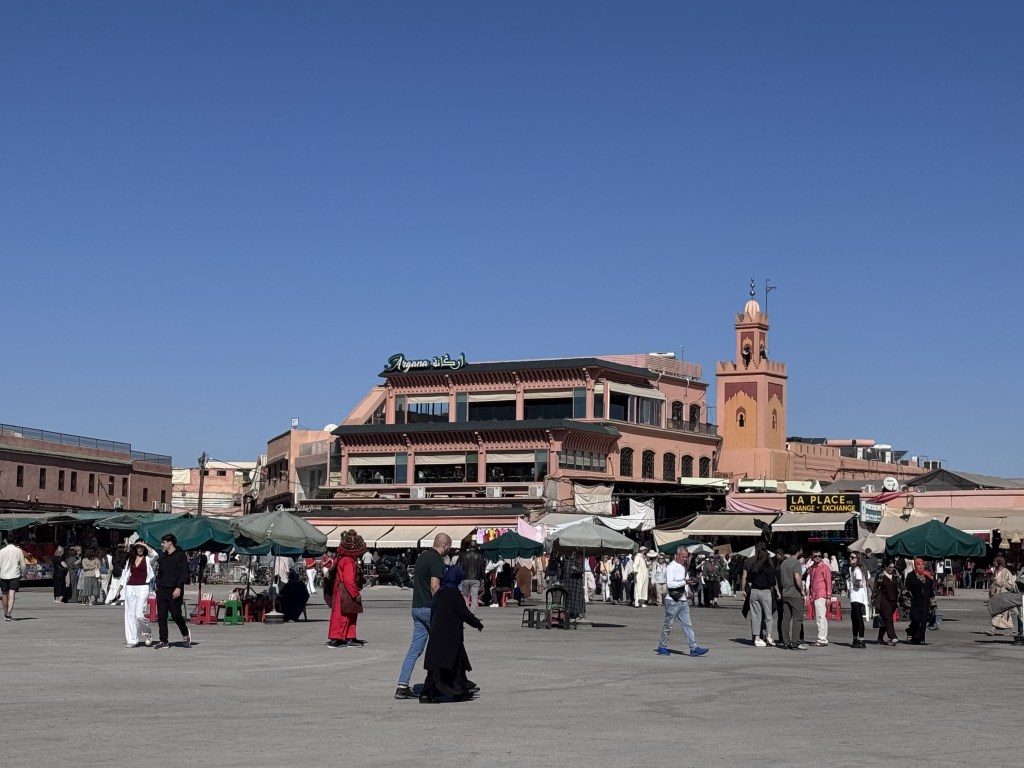
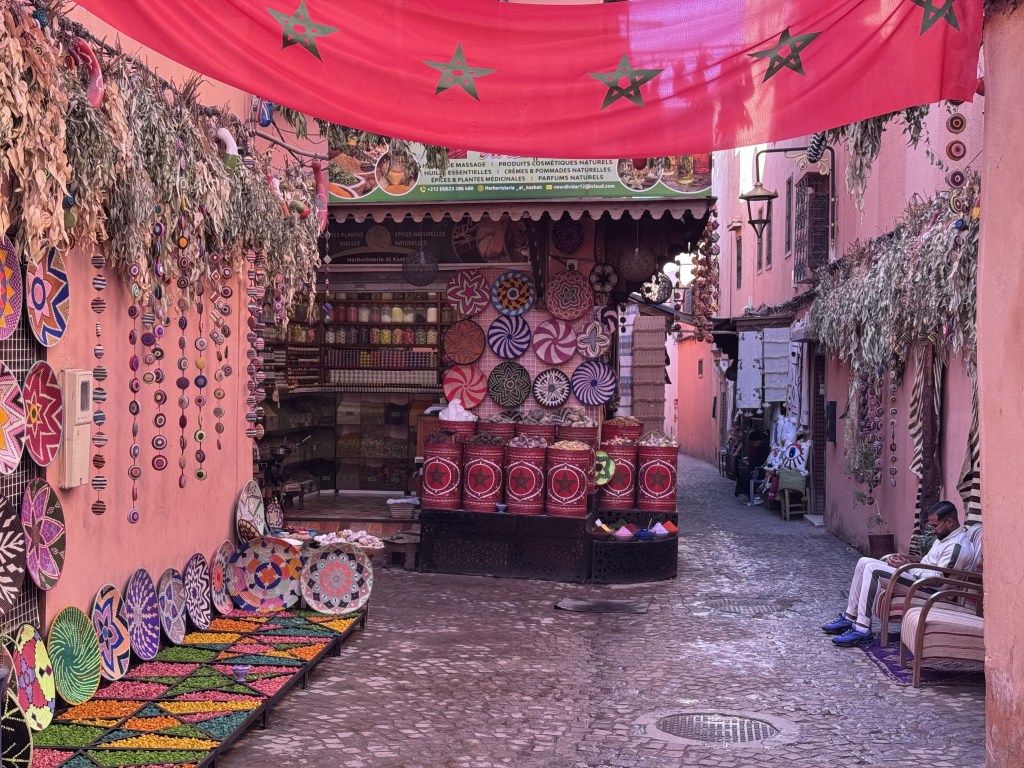
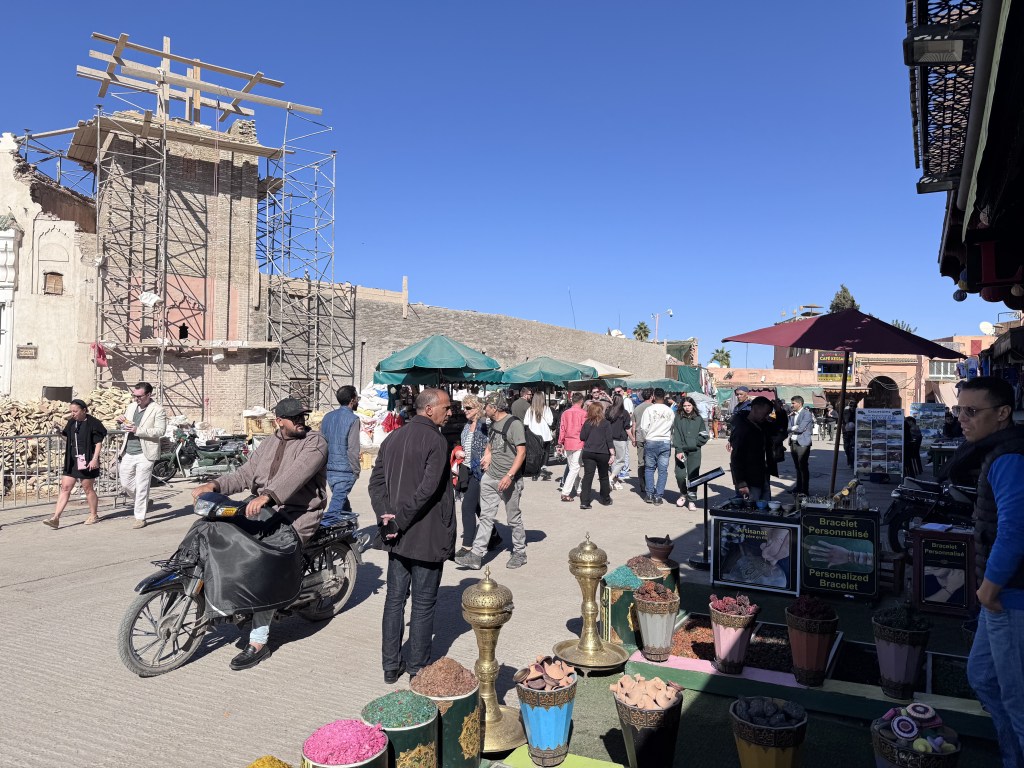
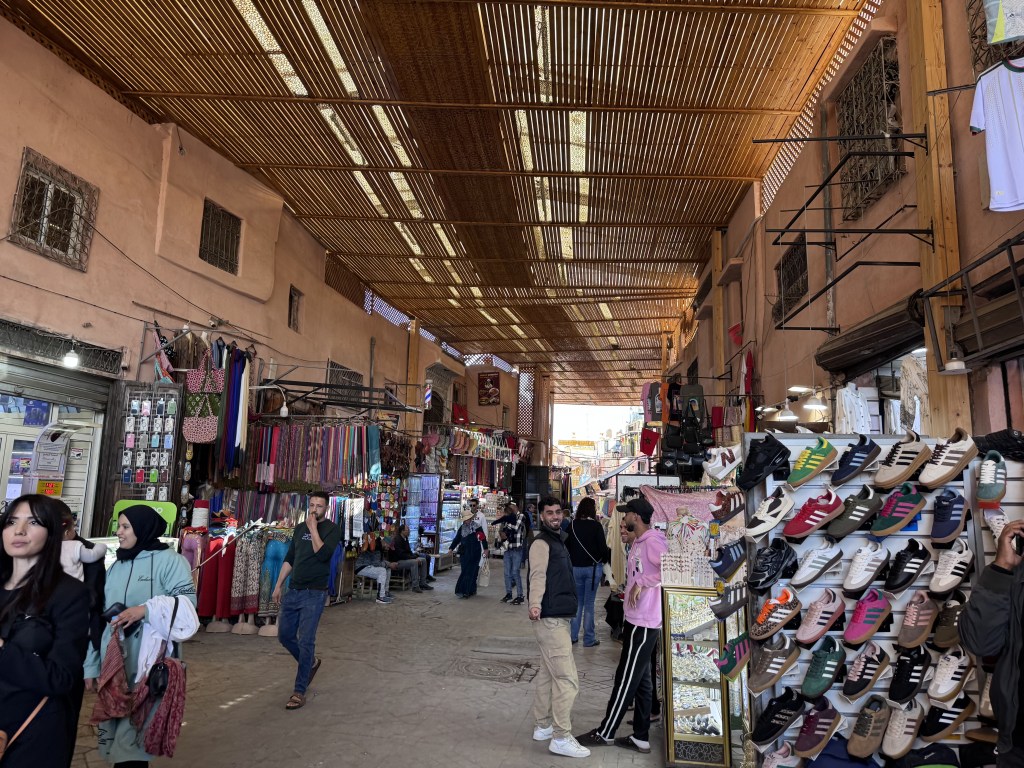
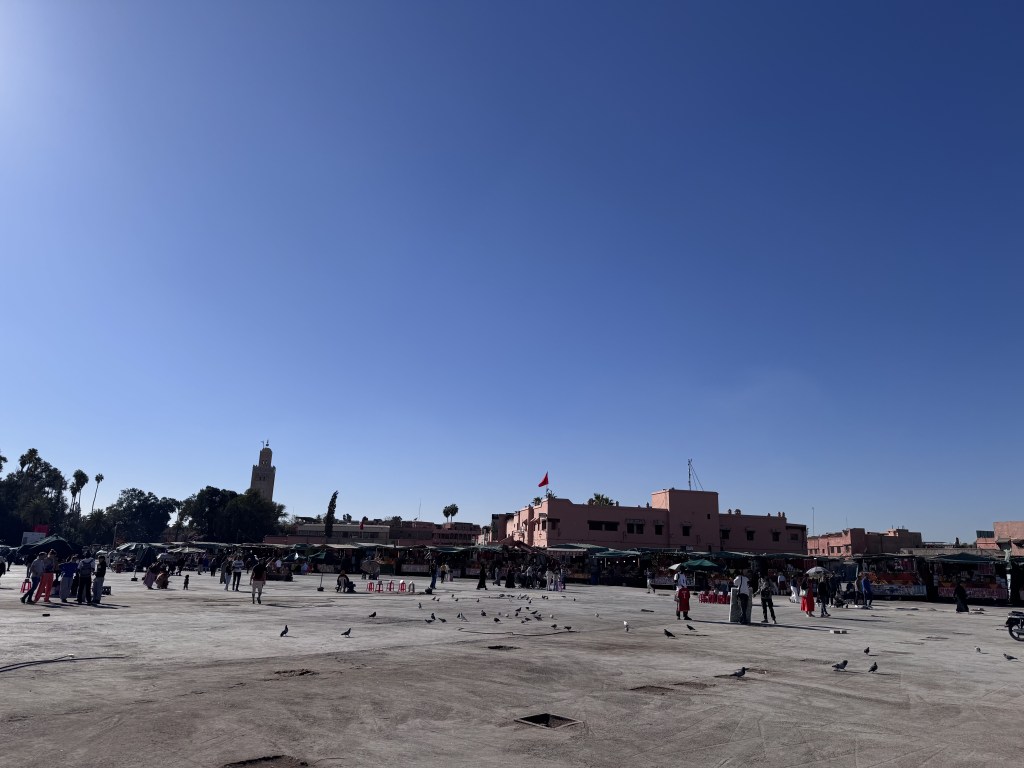
Jemaa el-Fnaa is renowned for its lively display of traditional activities, including storytellers, musicians, and performers, but it faced threats from economic development pressures. To safeguard these traditions, residents appealed for international recognition of cultural spaces and other traditional cultural expressions. Consequently, in 2008, Jemaa el-Fnaa was designated as a UNESCO Masterpiece of Oral and Intangible Heritage of Humanity.
Spanish poet Juan Goytisolo, in a speech delivered during the proclamation of the cultural space as a masterpiece, states, “The spectacle of Jamaa el Fna is repeated daily, and each day it is different. Everything changes — voices, sounds, gestures, the public which sees, listens, smells, tastes, touches. The oral tradition is framed by one much vaster — that we can call intangible. The Square, as a physical space, shelters a rich oral and intangible tradition.”
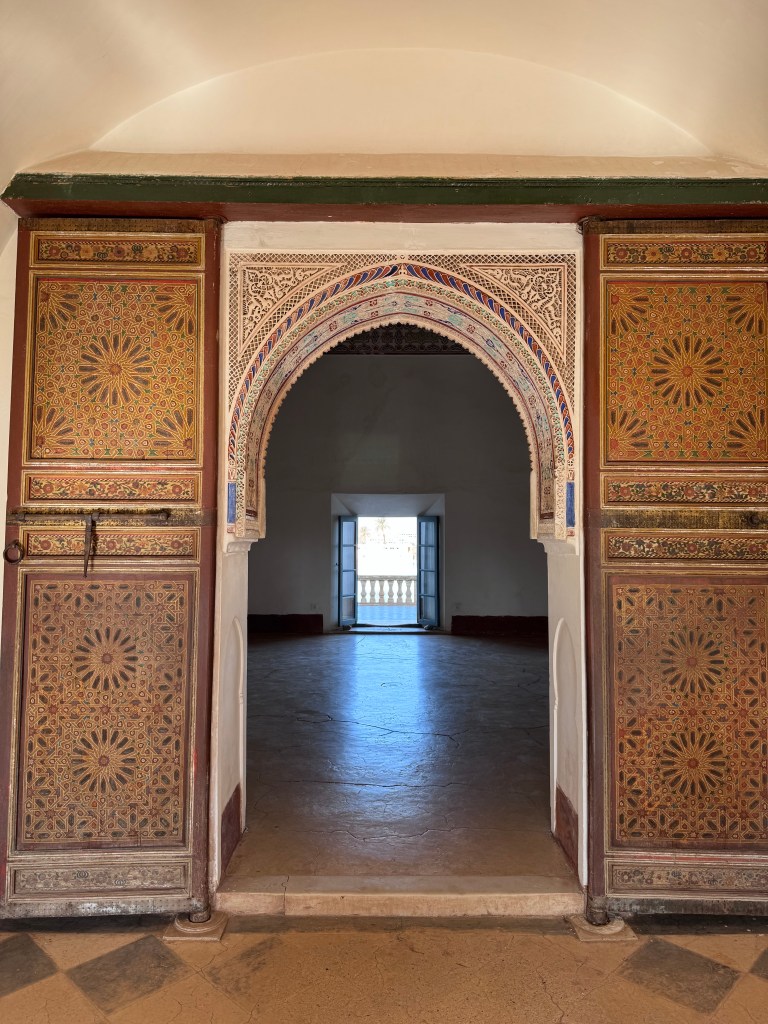
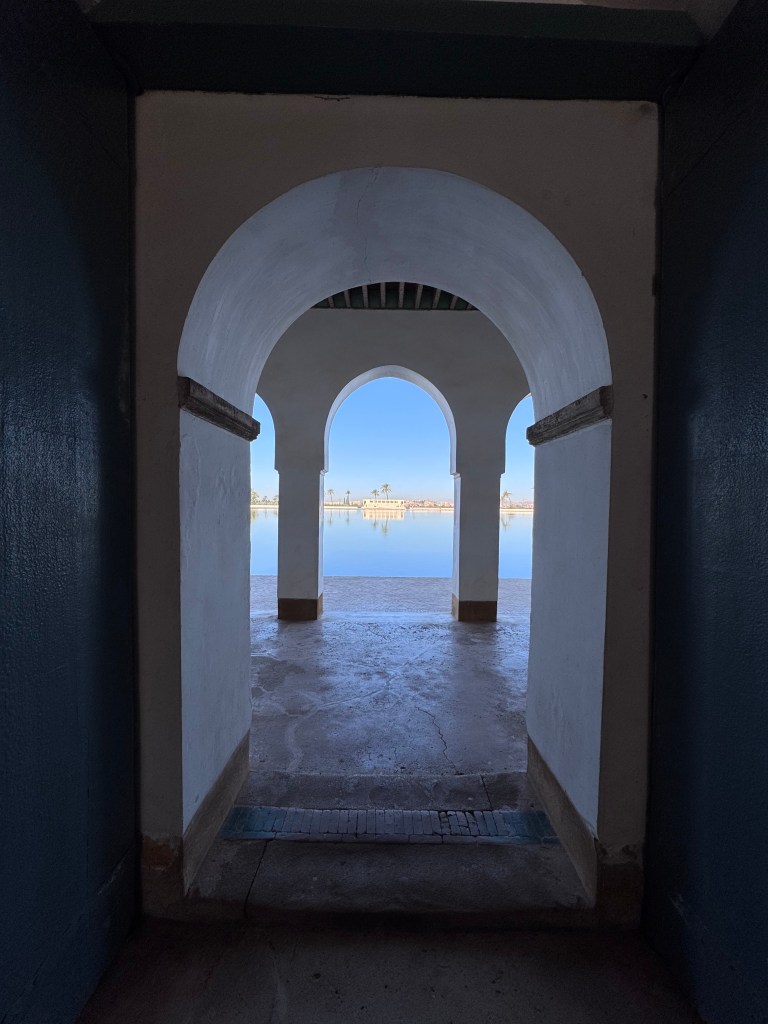
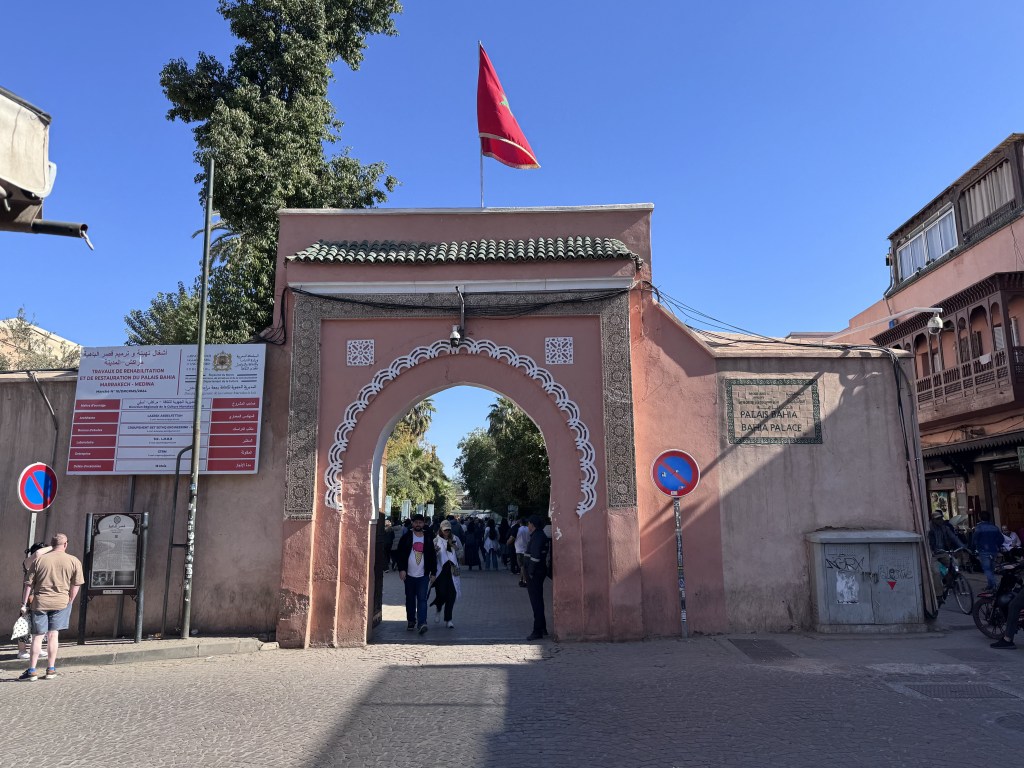
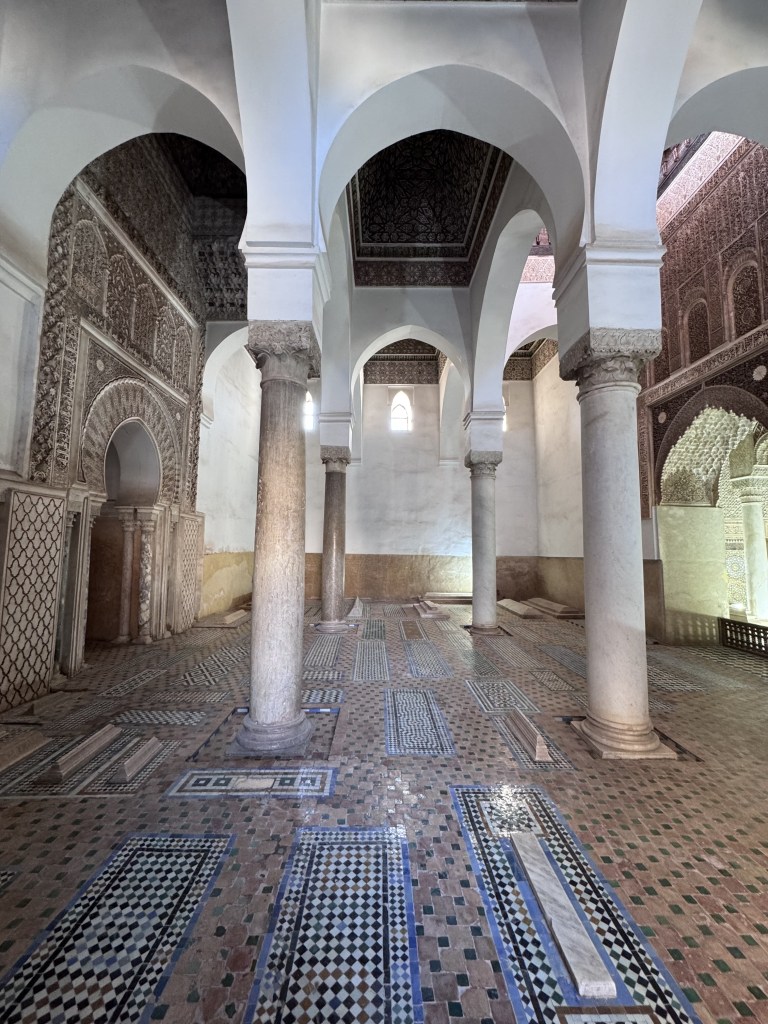
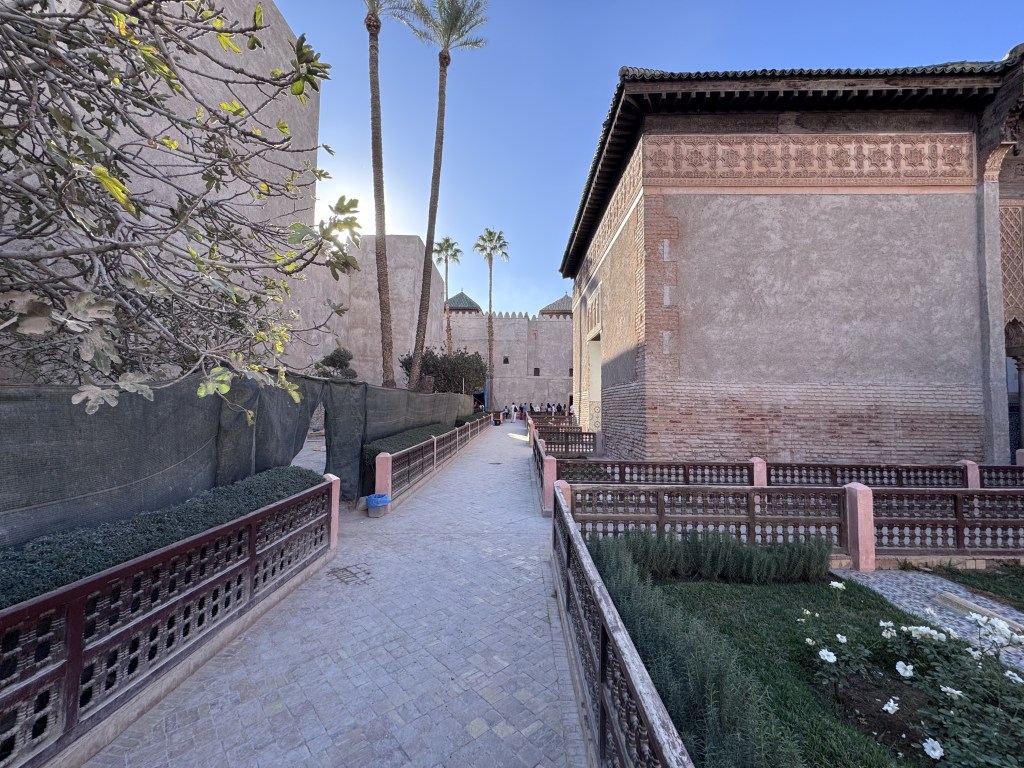
Furthermore, Marrakesh features an impressive array of architectural and artistic masterpieces, including ramparts, monumental gates, the Koutoubia Mosque, Saâdians tombs, the ruins of Badiâ Palace, Bahia Palace, the Ménara water feature, and pavilion. Each of these individually could warrant recognition for what UNESCO regards as ‘Outstanding Universal Value.”
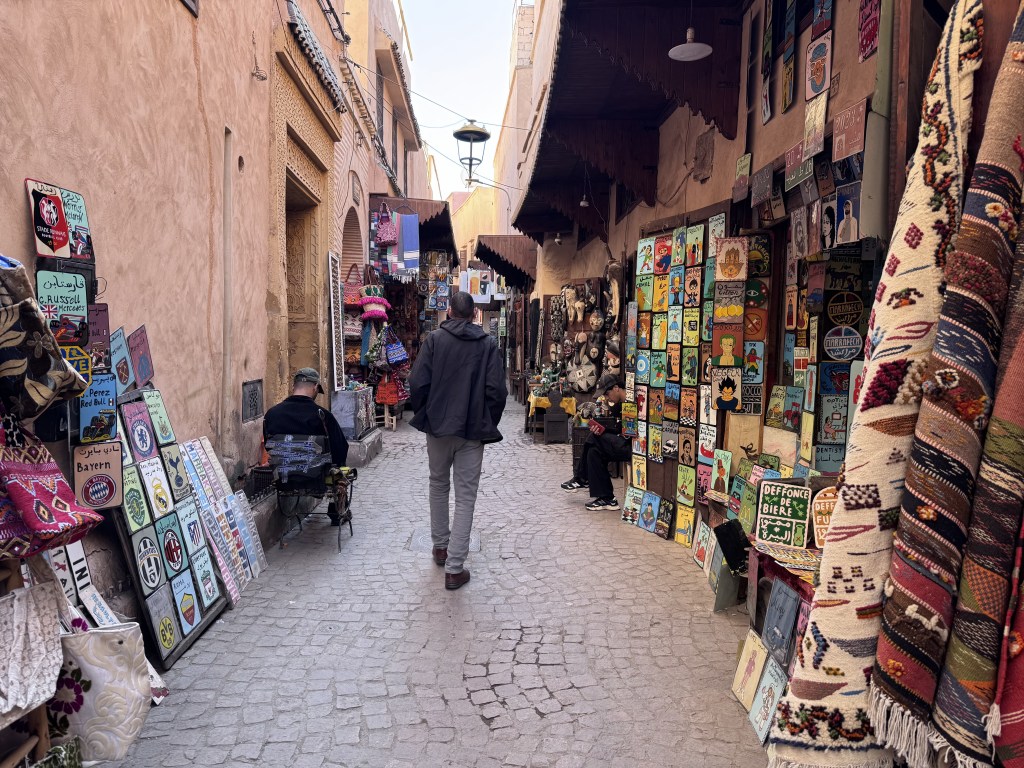
Marrakesh, the city that lent its name to the Moroccan empire, exemplifies a major Islamic capital in the western Mediterranean. The Medina, covering 700 hectares, is an ancient area that, despite demographic changes threatening its stability, remains a vibrant historic town. It features a complex network of narrow lanes, houses, souks, fondouks, artisanal workshops, and traditional trades.
In 1985, Marrakesh was designated as a UNESCO World Heritage Site due to these reasons.

