
In 2024, I was fortunate to visit two museum complexes in Germany. First, I had a chance to walk through some of the museums in The Museumsufer (Museum Embankment) in Frankfurt, a cultural complex on both banks of the River Main, featuring 39 museums. Centered around the Schaumainkai in Sachsenhausen and the Altstadt, it offers a dense concentration of art, history, and specialized exhibitions, making it one of Europe’s most significant cultural sites.
One of my favorites in this complex was the Städel, officially the Städelsches Kunstinstitut und Städtische Galerie, an art museum with one of the most important collections in Germany. The Städel Museum owns more than 3,000 paintings, about 660 sculptures, more than 4,600 photographs, and more than 100,000 drawings and prints, as indicated in the brochure given to visitors upon entry.
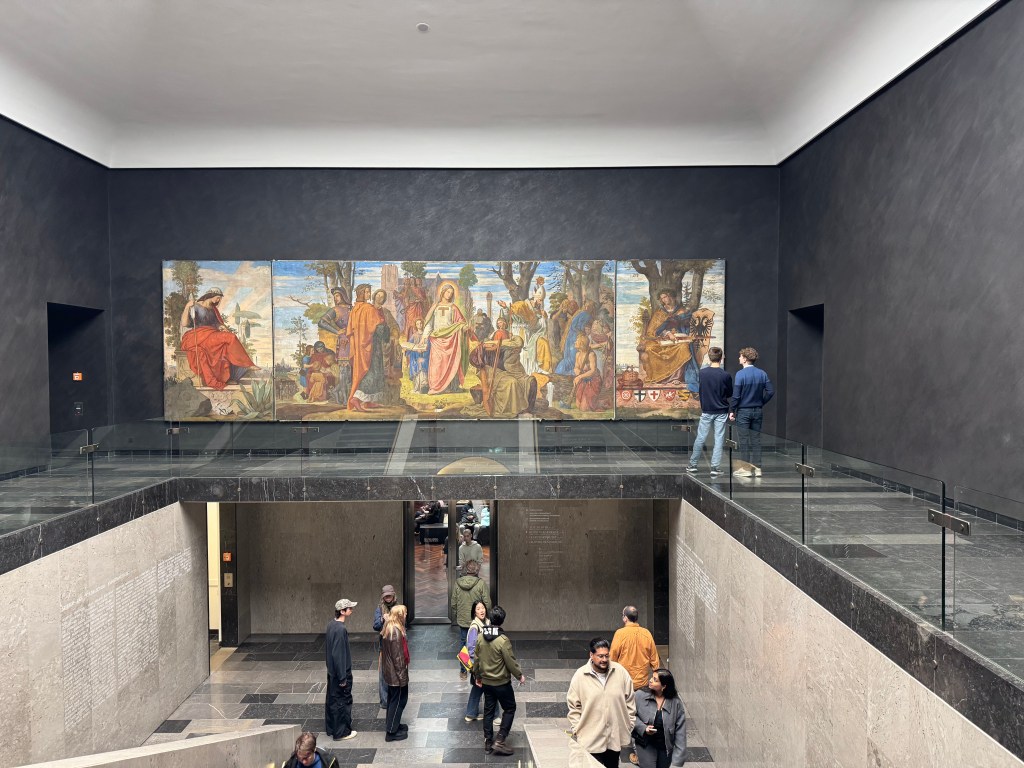
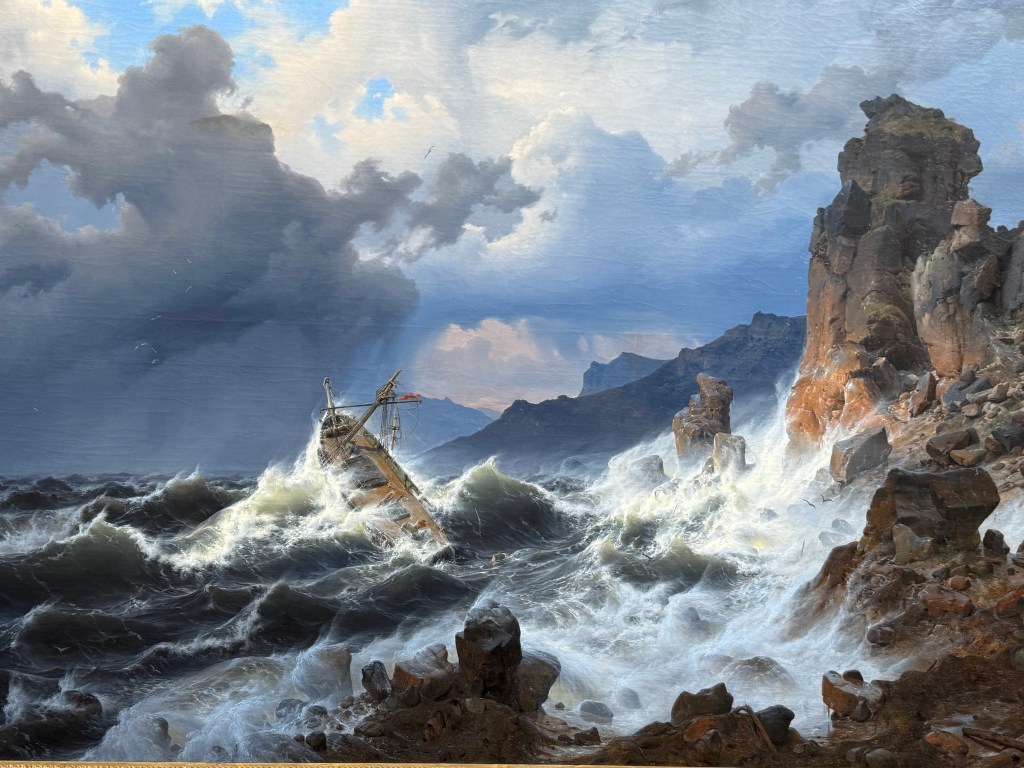
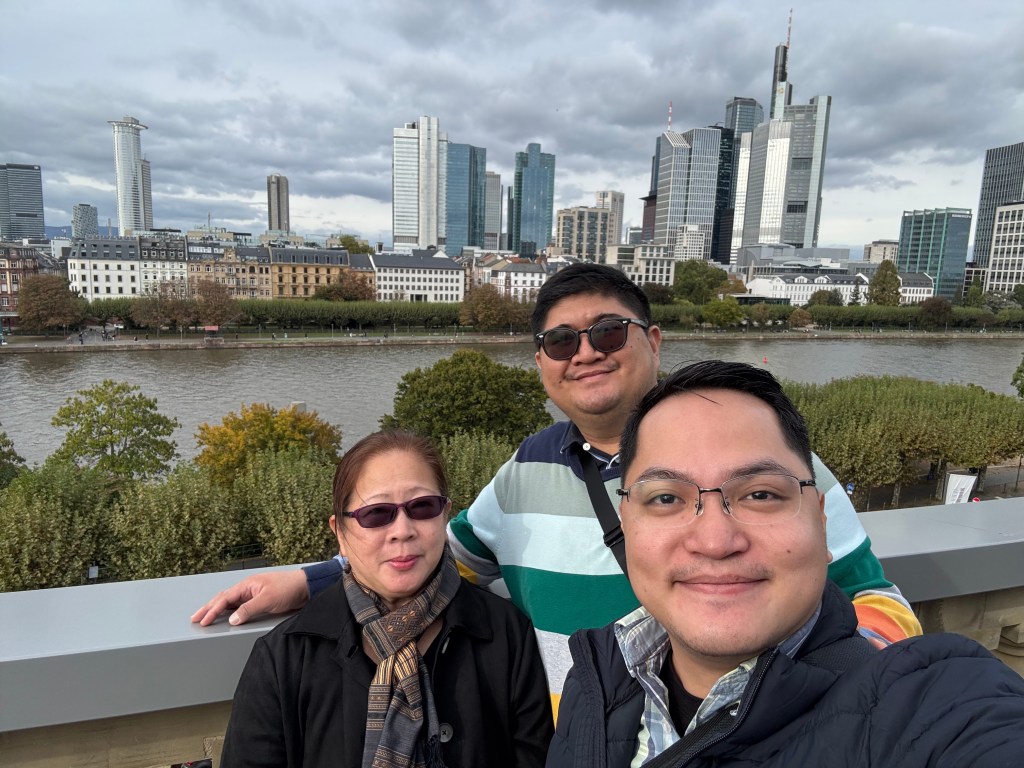
However, my favorite is the Museum Island in Berlin, which I also chanced upon during my 2024 trip to Germany. Located on the northern part of Spree Island in Berlin, this museum complex is one of the capital city’s most visited tourist destinations, and according to travel literature, it is one of the most important museum sites in Europe. Built between 1830 and 1930, initially by order of the Prussian Kings and according to plans by five architects, the Museum Island was designated a UNESCO World Heritage Site in 1999 for its testimony to the architectural and cultural development of museums in the 19th and 20th centuries.
These structures reminded me of socialist and communist architectural structures that were built primarily to project state power, accelerate modernization, enforce ideological uniformity, and manage rapid urbanization through standardized, collective living. More so, these megaliths served as physical evidence of the regime’s legitimacy and the superiority of planned economies over the ideological belief of “capitalist chaos.”
These are megaliths that symbolize the strength of the rulers who had these structures built to show the power of their kingdoms and the triumph of their political systems. Also, these structures are megalomaniacal because the rulers wanted to project a god-like image to instill in the minds of their constituents that, like their gods, the political rulers must also be venerated.
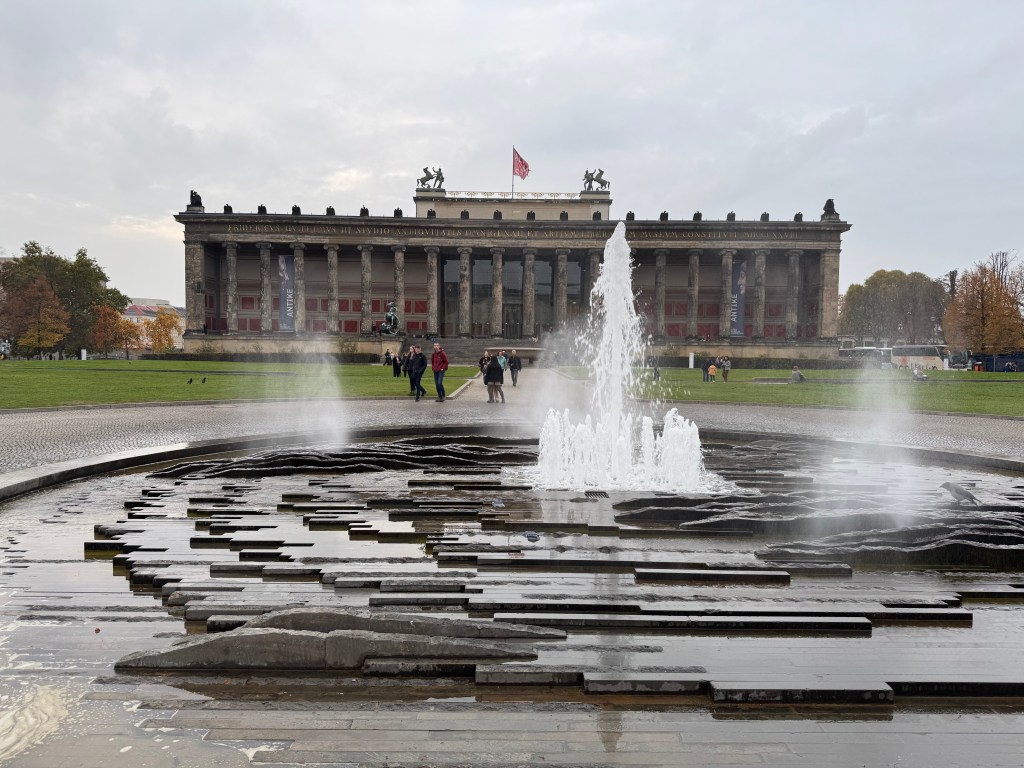
However, the museums on the island are not socialist or communist; just to be clear. They reminded me only because of their massive display of architectural grandeur. In fact, the five main museums – Altes, Neues, Alte Nationalgalerie, Bode, and Pergamon – were designed in Neoclassical and Neo-Baroque styles. These designs aimed to emulate the grandeur of Ancient Greece and Rome, reflecting Enlightenment values rather than socialist or communist ideology.
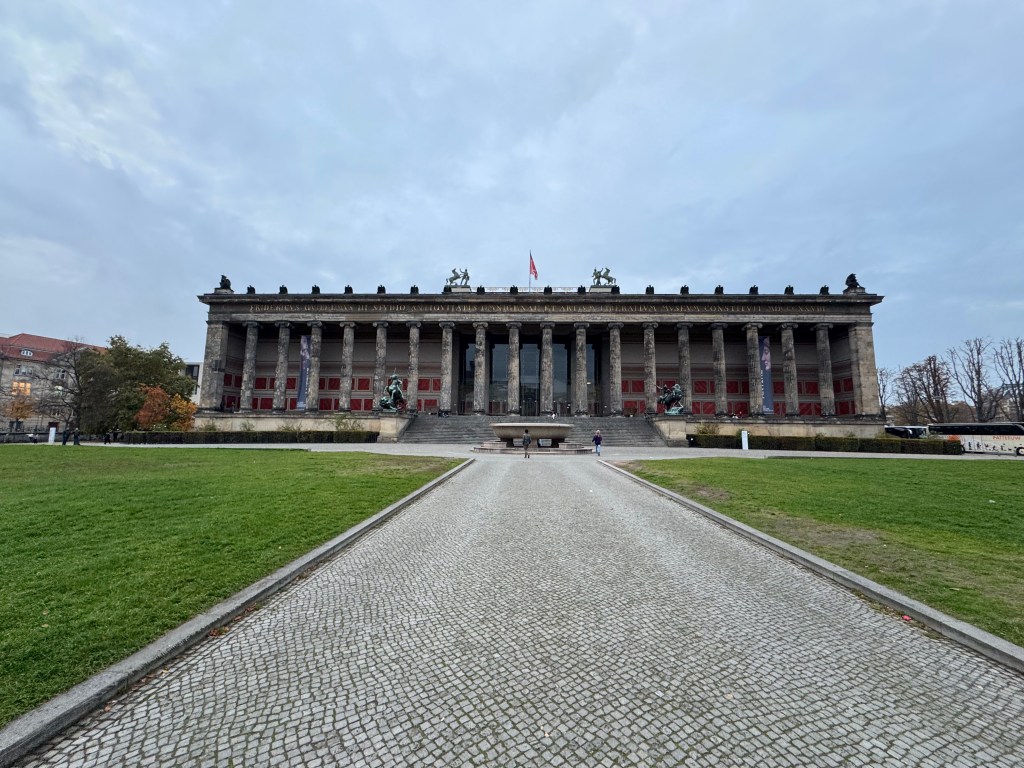
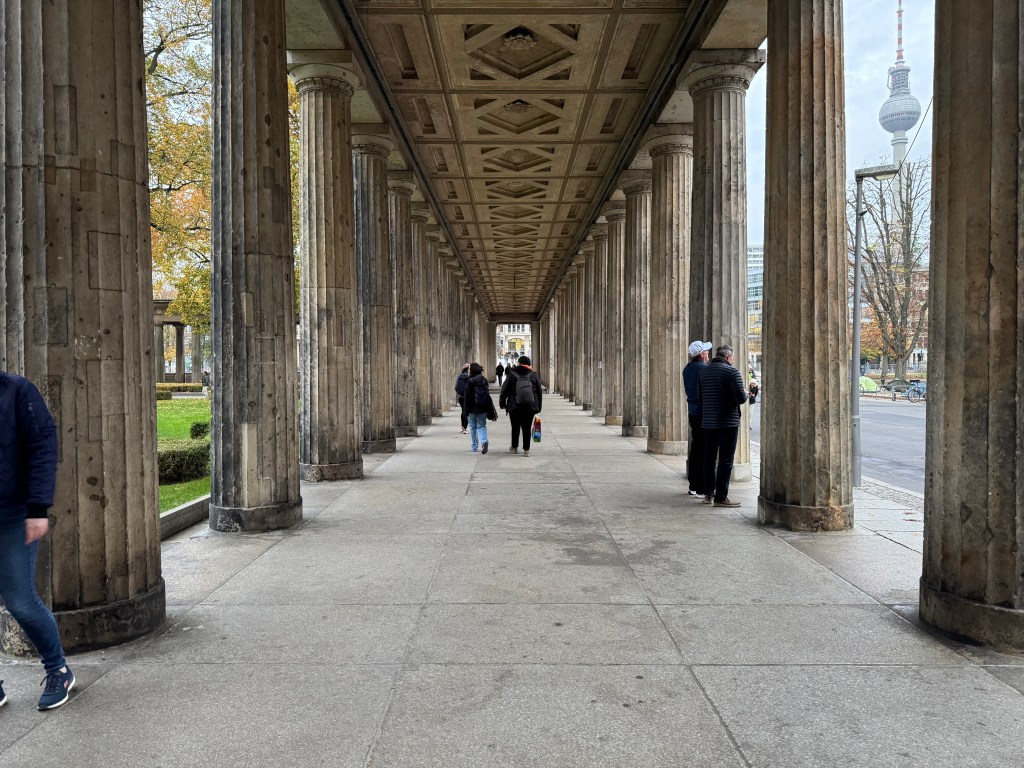
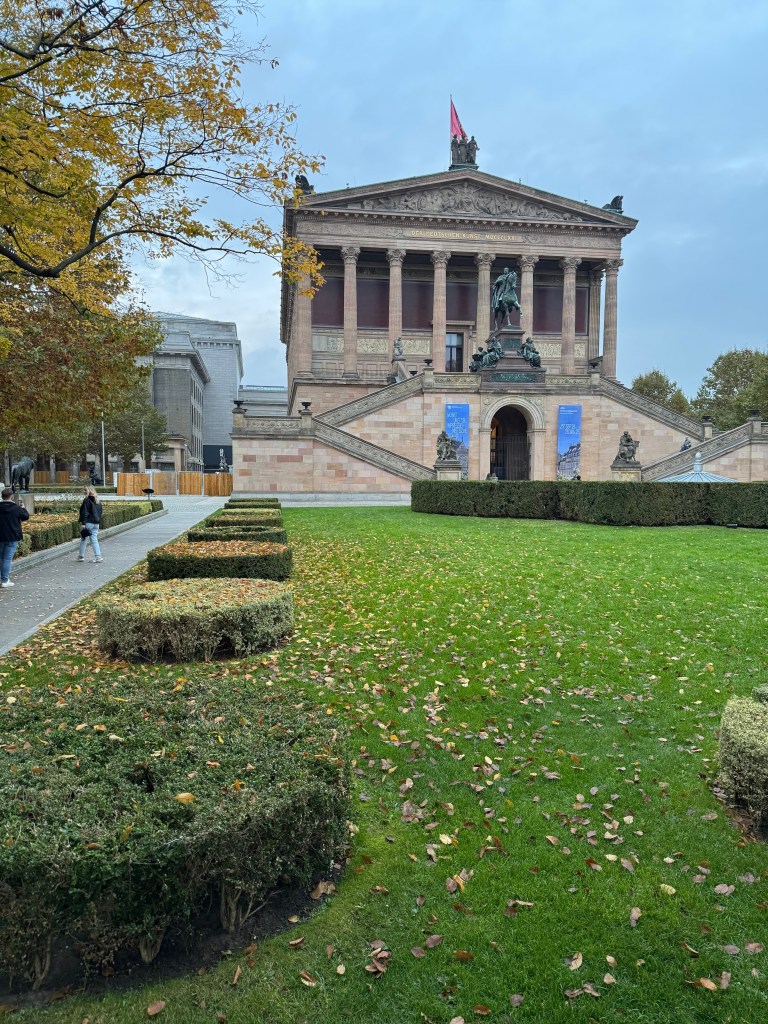
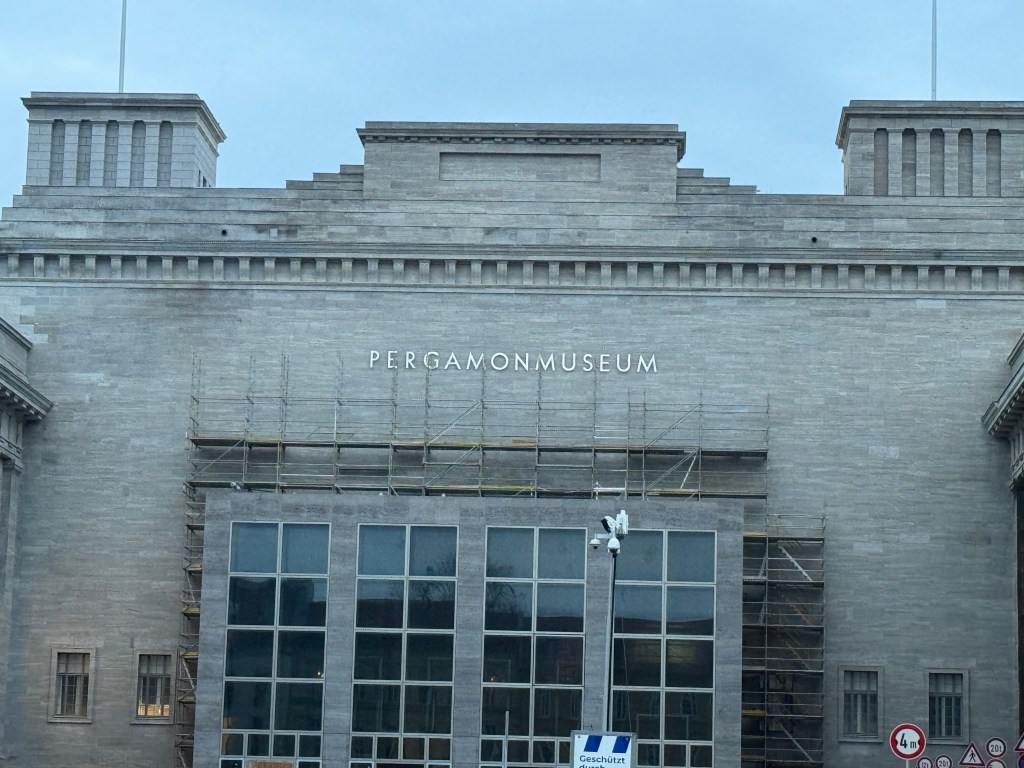
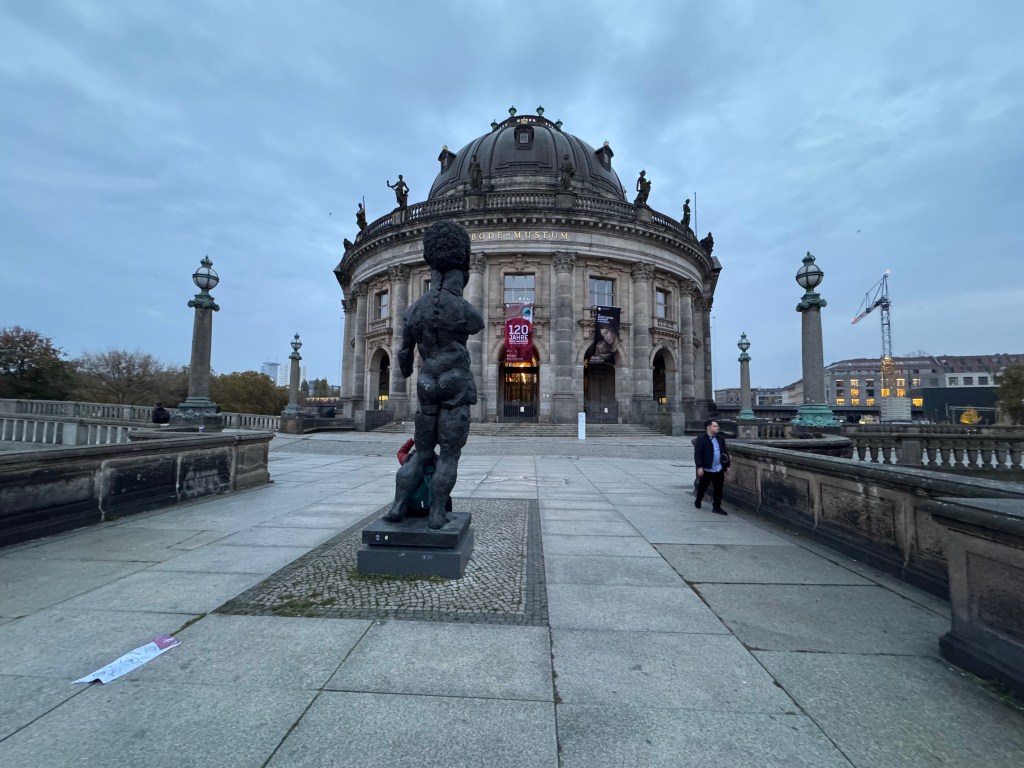
These WHS buildings were designed by renowned Prussian architects to create an “organic connection” with the art they house. For example, the Alte Nationalgalerie was built to resemble a Greek temple to house neoclassical and romantic art. The Altes Museum is considered a masterpiece of neoclassical architecture, featuring a grand rotunda inspired by the Pantheon in Rome. The ensemble is unique for illustrating the development of modern museum design over more than a century (1830–1930), transitioning from classical “sanctuaries” to more functional urban spaces. The modern restoration of the Neues Museum is hailed as an architectural achievement for blending WWII ruins with contemporary design.
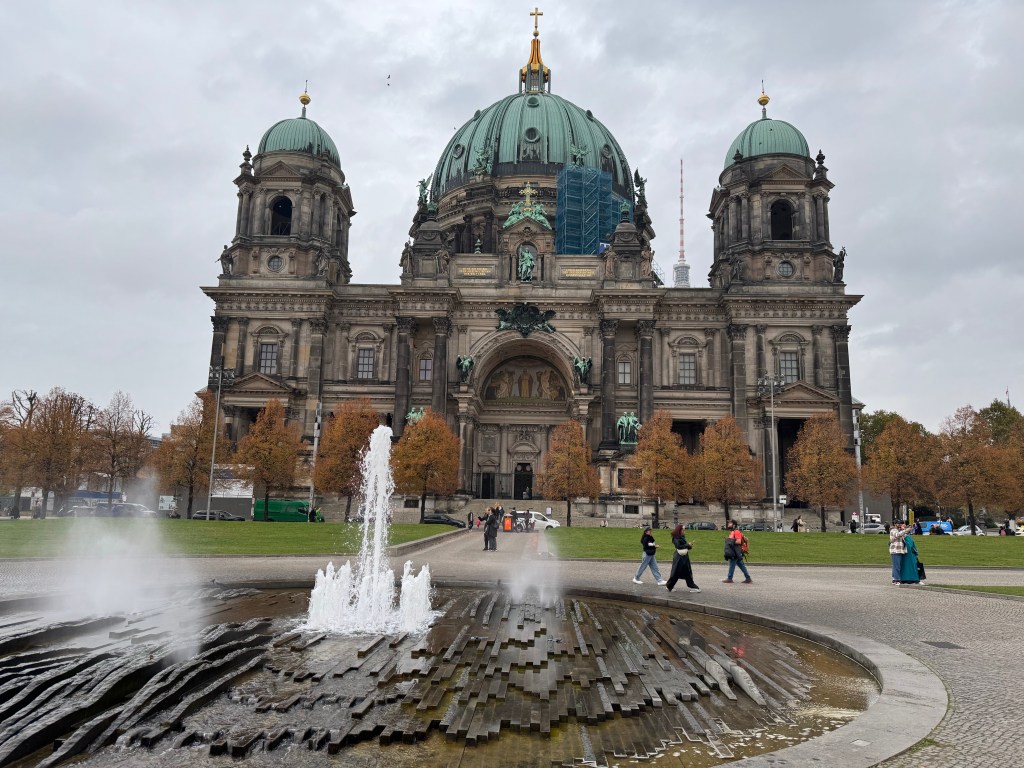
As part of the WHS complex, other buildings are included in the UNESCO inscription. The Berliner Dom, or Berlin Cathedral, while not itself a museum, is a historically important church that contains the dynastic crypt of the House of Hohenzolern. The Lustgarten Park, facing Altes Park and the Berlin Cathedral, is also part of the WHS complex. Finally, the James Simpkins Gallery, opened in 2019, was erected on the site of the former 19th-century “packhof” (service building warehouse), a Schinkel-designed structure that had been demolished in 1938, and is also within the WHS complex.
A little reflection: There’s a plan to make the Historic Center of Manila a World Heritage Site. According to various documents found online, the site exemplifies advances in urban planning and architecture, reflecting an amalgamation and important interchange of ideas across the Age of Colonization and the Early Modern Era. The entire site is called the “Colonial Urban Plan and Fortifications of the Walled City of Manila.” However, this does not include the National Museum of the Philippines Complex, which encircles Rizal Park. I hope the government, especially the administration of the complex, recognizes the significance of pursuing World Heritage status for the various buildings, including the National Planetarium and other Regional Museums. All the museum sites are primary examples of an architectural movement and were once historical spaces that witnessed significant events in the creation of the Philippines as a Republic and as a nation-state. A collective nomenclature suggestion: “National Museum Complex, including in the regions of the Philippine archipelago.”

