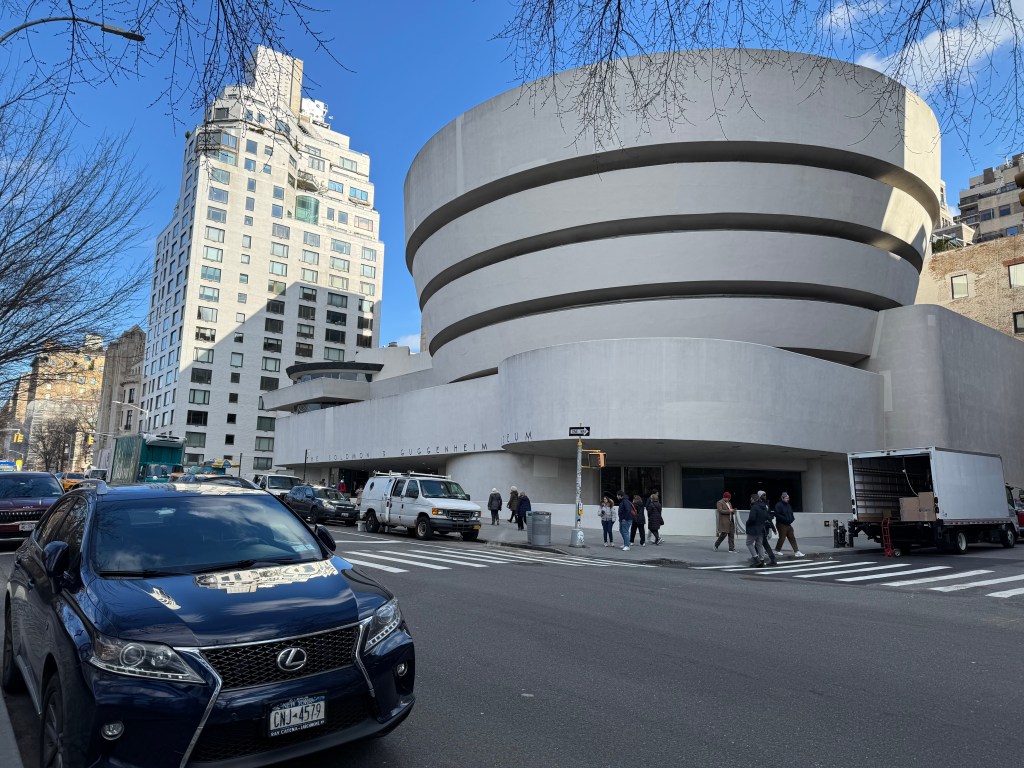
Like the museum complex at Ueno in Japan, the Museum Mile is proud to be home to a UNESCO World Heritage Site: the Guggenheim Museum, part of “The 20th-Century Architecture of Frank Lloyd Wright.” This building is a masterpiece in itself – a functional “sculpture,” to put it bluntly. It opened to the public on October 21, 1959, six months after Wright’s death, and was immediately recognized as an architectural icon. The Guggenheim is arguably the most important building of Wright’s late career. A monument to modernism, the space’s unique architecture—with its spiral ramp rising to a domed skylight—continues to thrill visitors and provide a distinctive forum for contemporary art.
These museums house the world’s most popular art pieces: the masterpieces widely recognized by most people. These are the most valuable and most expensive collections. Moreover, these structures are home to art collections from all over the world, spanning ancient times to the contemporary, mostly acquired through the usual art acquisition methods of auctions and donations by tycoons and founding figures of the city, or simply through colonial acquisition.
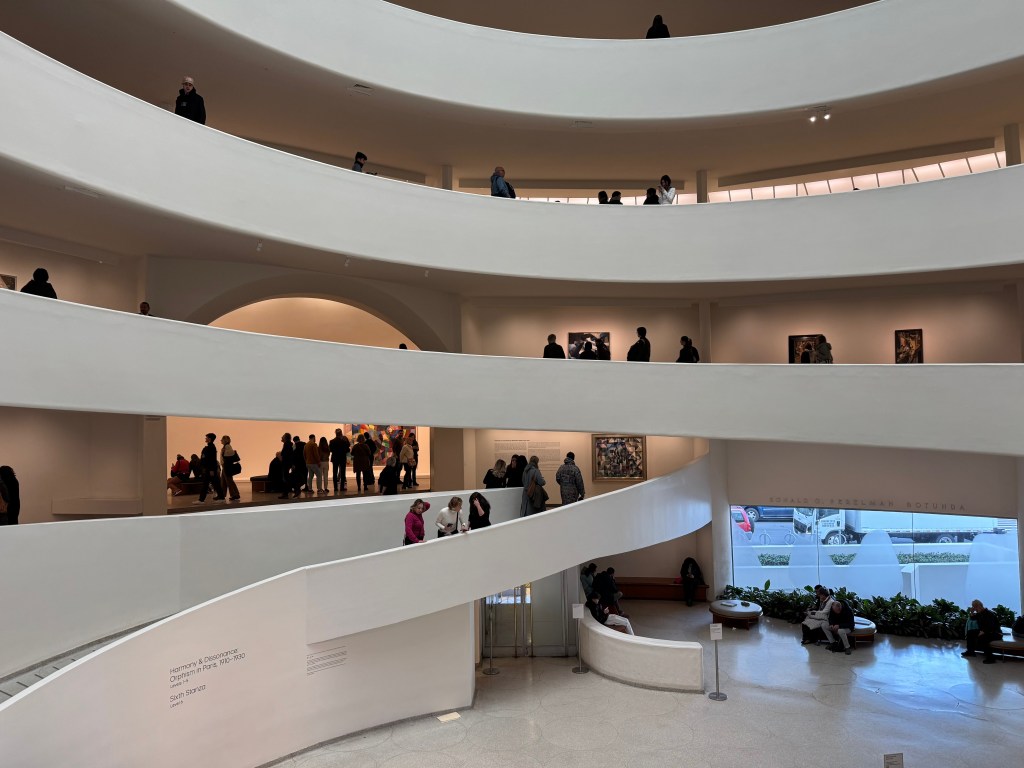
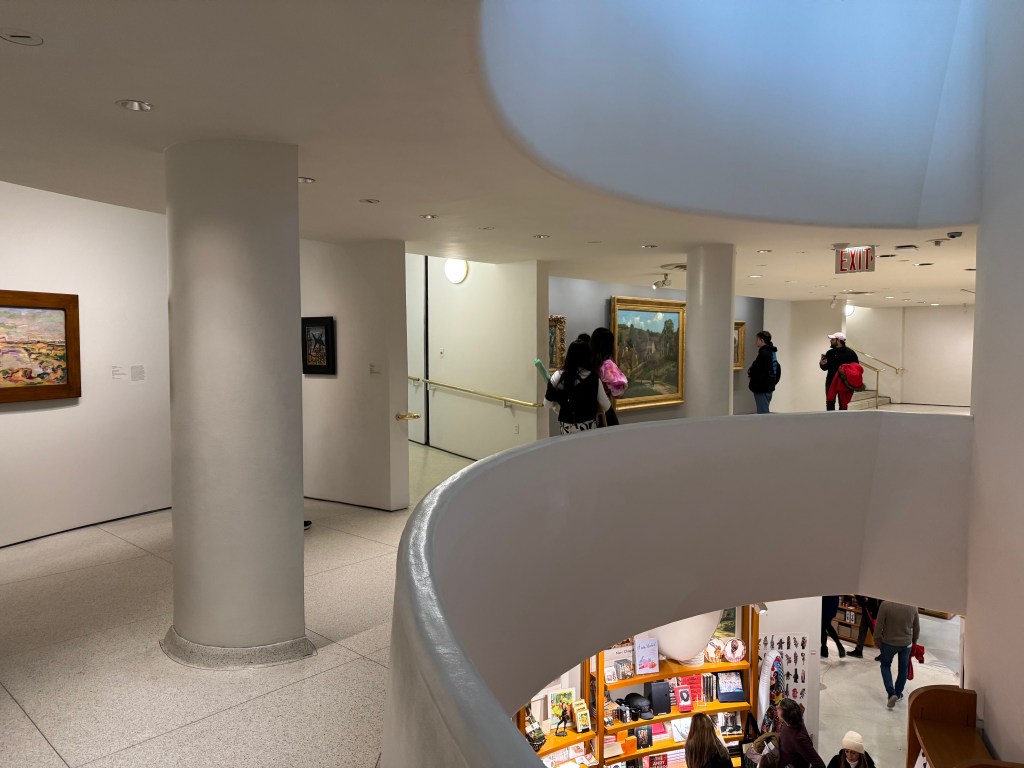
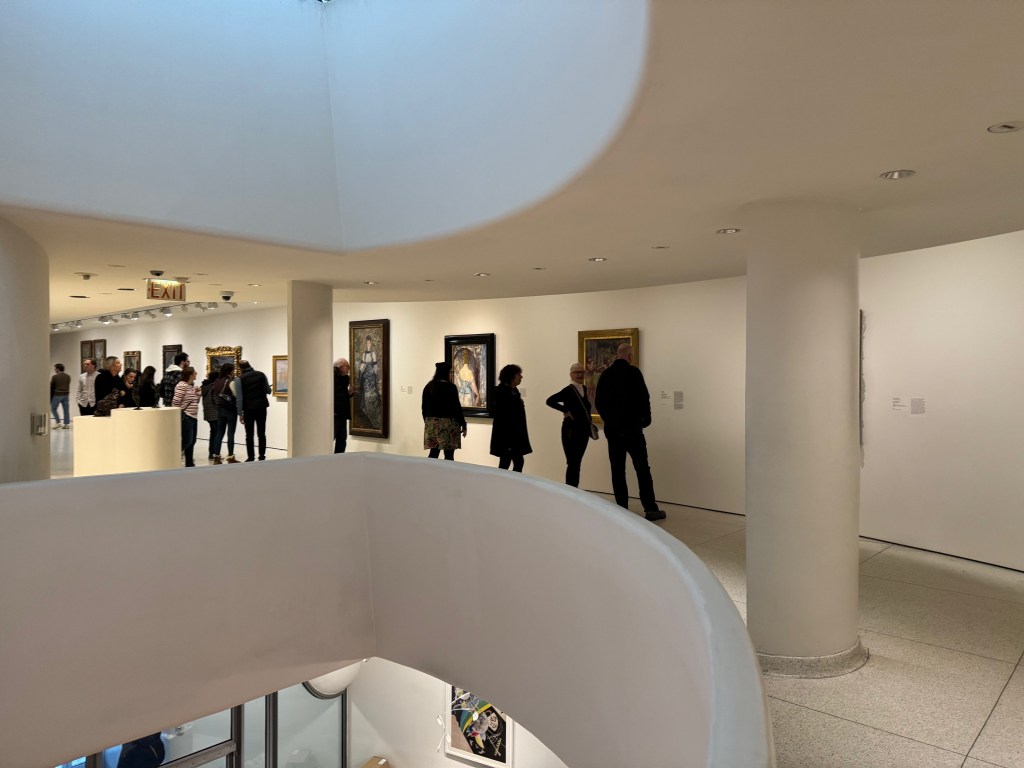
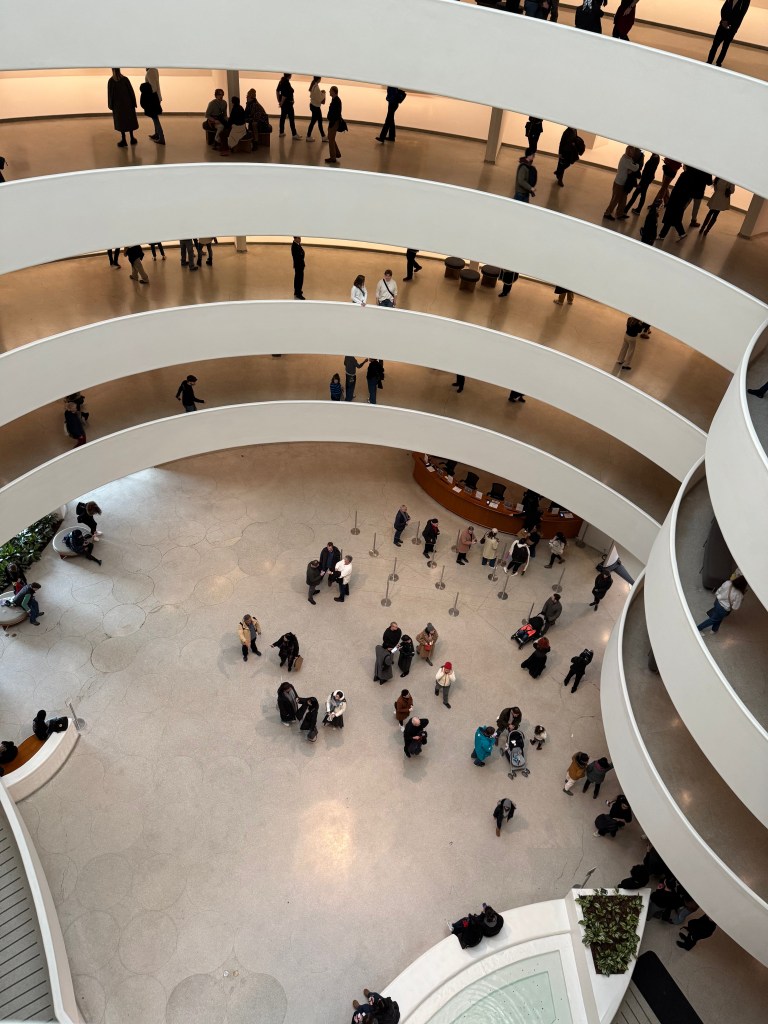
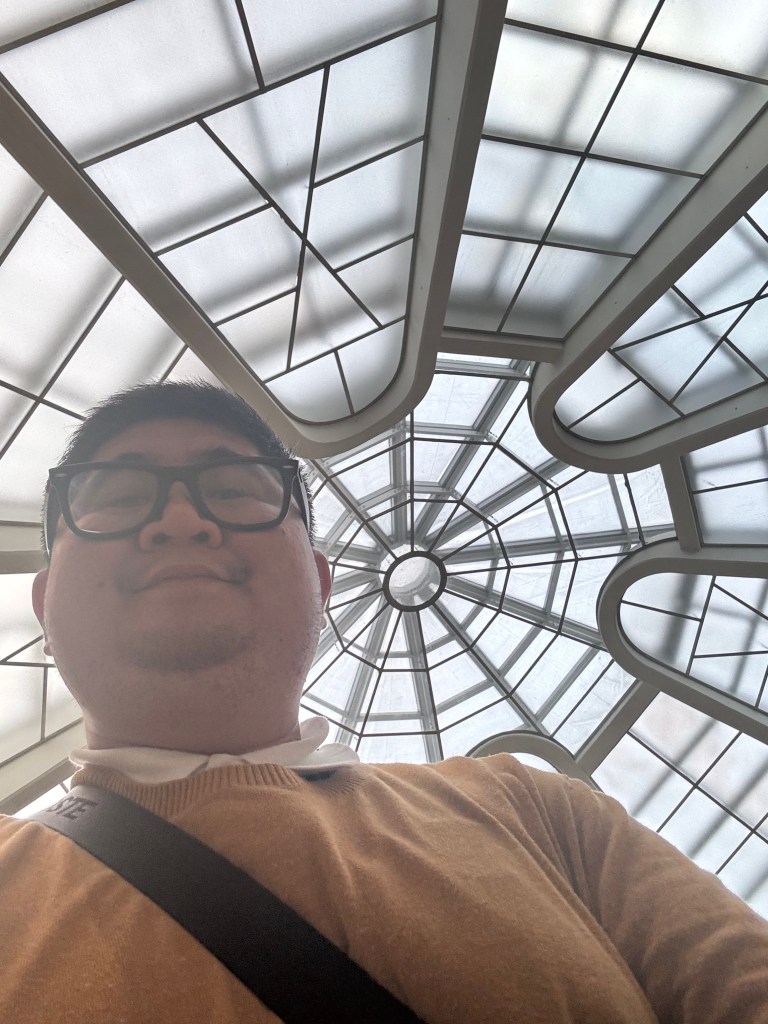
At Guggenheim, the most popular collections span modern and contemporary art, featuring iconic masterpieces by Kandinsky, Picasso, and Koons, anchored by the Thannhauser Collection (Impressionist/Post-Impressionist) and extensive early modernist, abstract, and surrealist works. Key highlights include Kandinsky’s Composition 8, Magritte’s Empire of Light, and Koons’ Puppy.
At the Neue Galerie New York, you will find a collection of Gustav Klimt’s works, particularly The Portrait of Adele Bloch-Bauer I, The Dancer, and The Black Feathered Hat. The same museum also houses a large collection of German Expressionism, Bauhaus, and popular Dada sketches. Nonetheless, nothing beats the collections at The Met and MoMA.
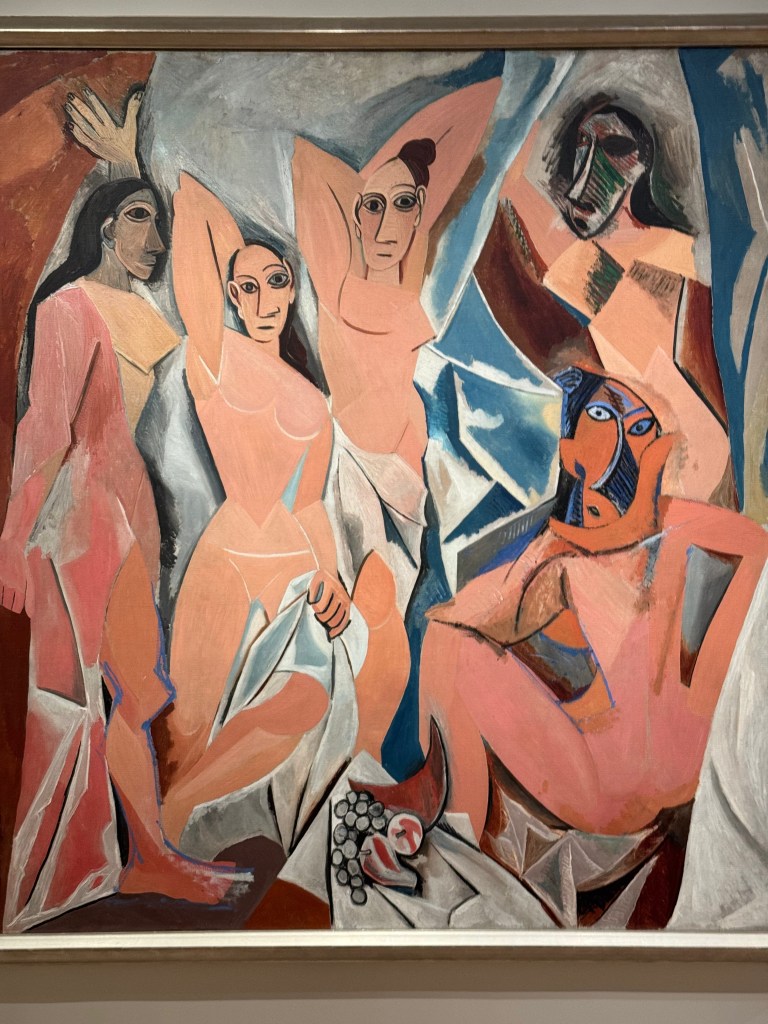
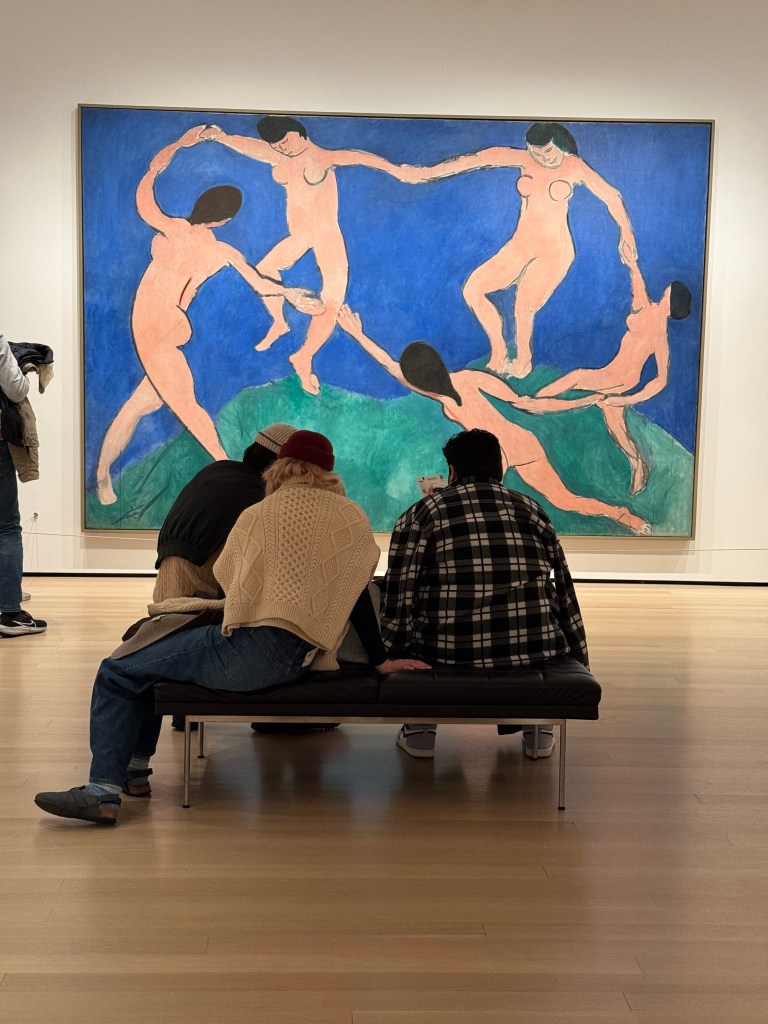
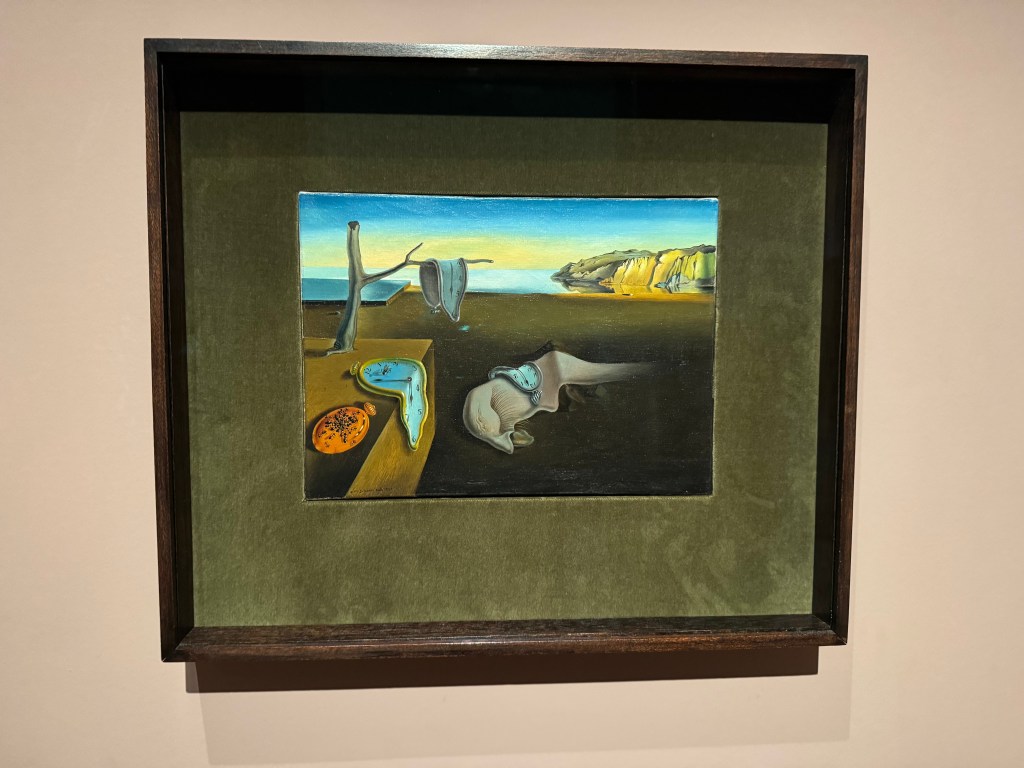
At MoMA, for instance, the paintings I had only read about and experienced in Arts Appreciation classes were overwhelmingly alive: Vincent van Gogh’s The Starry Night, Pablo Picasso’s Les Demoiselles d’Avignon, Salvador Dalí’s The Persistence of Memory, Andy Warhol’s Campbell’s Soup Cans, Claude Monet’s Water Lilies, and Henri Matisse’s Dance (I), to name a few.
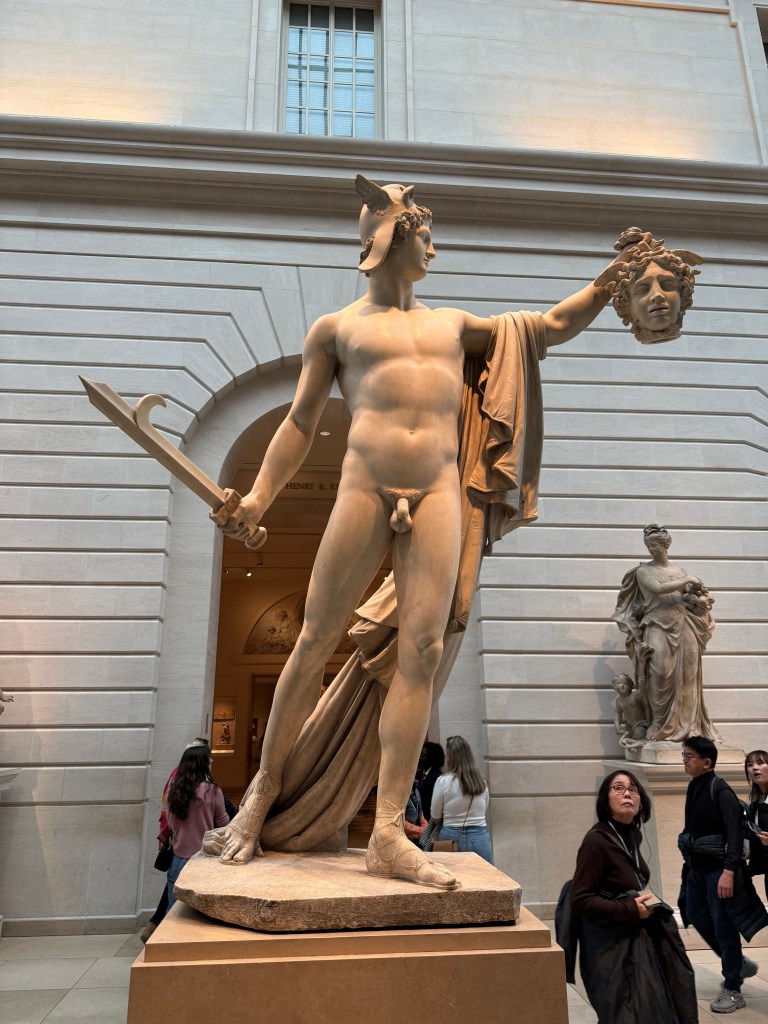
The Met’s publicity slogan reads: “travel around the world and across 5,000 years of history through 490,000+ works of art.” In this regard, it is uncommon not to encounter art objects from various periods and movements – ancient civilizations, Greek, Roman, Medieval, Renaissance, modern, and contemporary. You will see some amazing sculptural pieces by Bernini, Rodin, Canova, Carpeaux, Houdon, and popular works such as The Death of Socrates (Jacques Louis David), Washington Crossing the Delaware (E. Leutze), The Gulf Stream (W. Homer), The Dance Class (E. Degas), Portrait of a Woman with a Man in a Casement (Lippi), Venus and the Lute Player (Titian), The Musicians (Caravaggio), Woman with a Parrot (Courbet), Young Mother Sewing (Cassatt), Gertrude Stein (Picasso), and other works by Van Gogh, Goya, Vermeer, Renoir, Gauguin, Cezanne, Manet, Monet, and a lot more. As a friend jokingly remarked during a visit: name a classical master, and you will find their artwork inside the Met.
A friend from NYC said, that the collections of these world art is suggestive of the city’s multi-ethnic and multi-cultural landscape. I agree somehow, especially if we look at the other important cultural museums along the Museum Mile – the story of the African communities and their relationship with the United States at The African Center, the Jewish relations and life in the city at the Jewish Museum. El Museo del Barrio is like freezing West Side Story in dioramas, in canvases, and in ethnological displays. NYC’s development from the first nations of Lenape to the coming of the Dutch setlers, the British colonizers, to the American Revolution, to the Independence Day in 1776, to the institution of the city as the US capital to the waves of migrants that built the city to what it is today, and the more recent political and social histories including the 9-11 tragedy – are all displayed at the Museum of the City of New York.
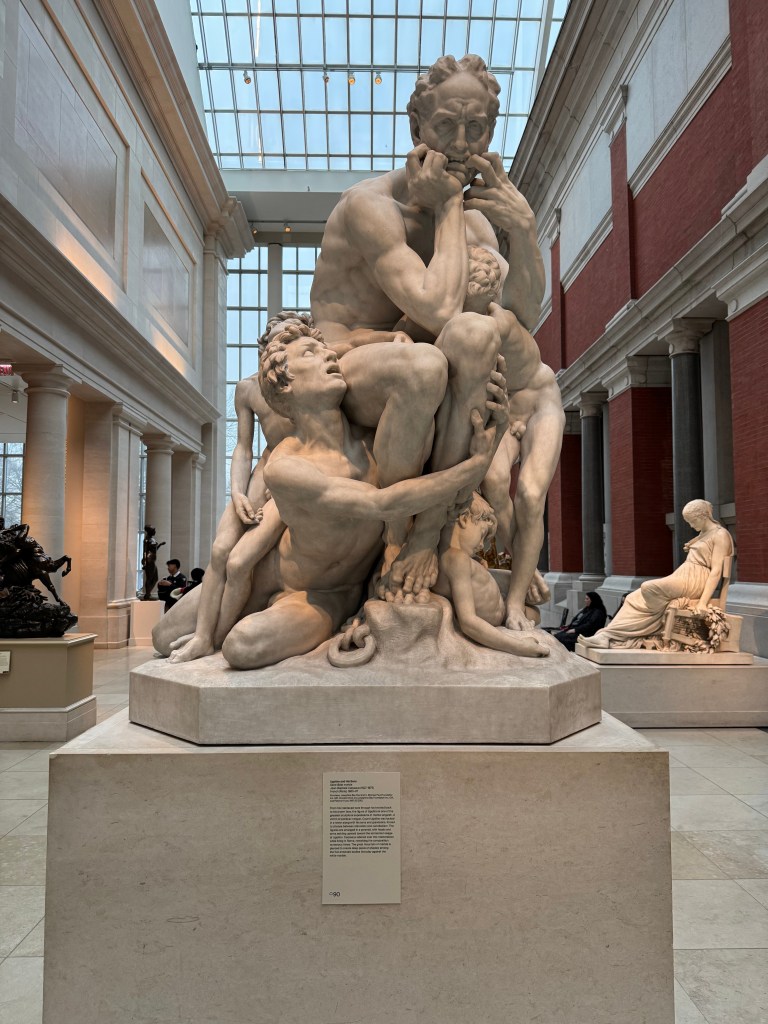
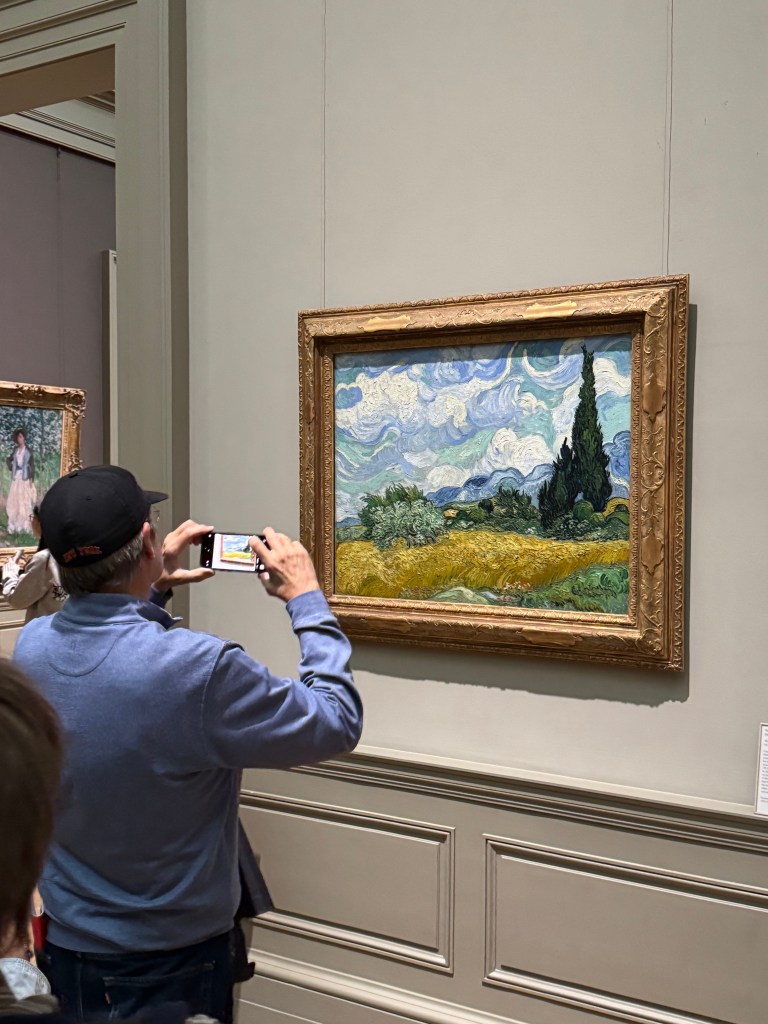
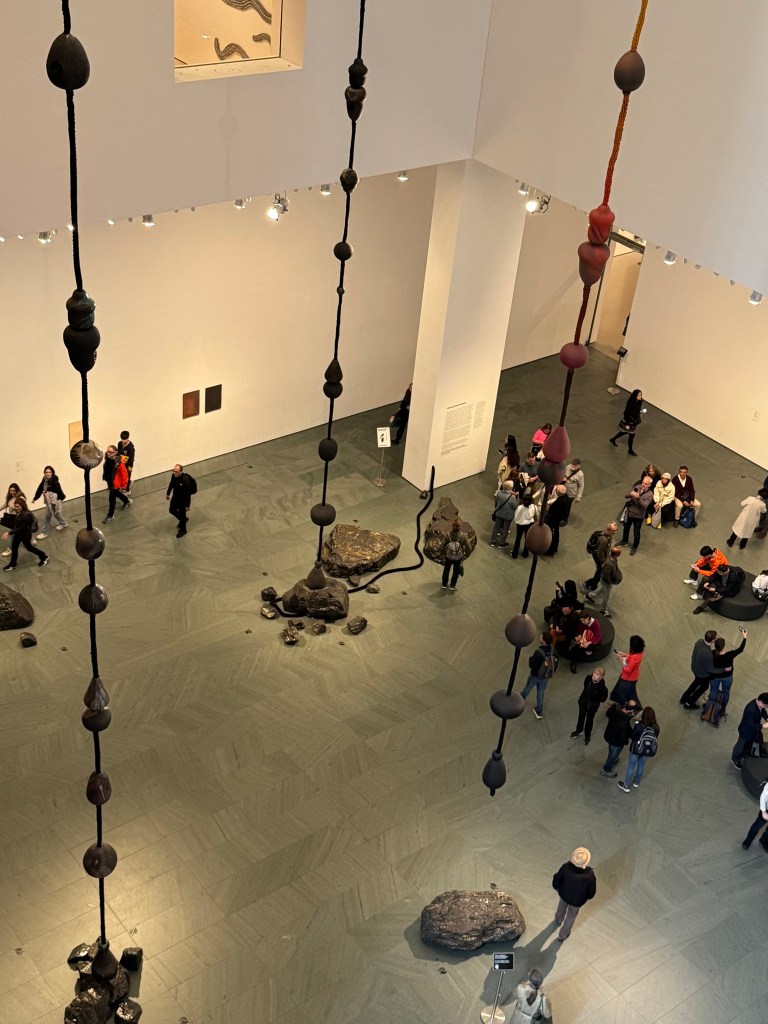
However, my sense of the museums along 5th Avenue, plus MoMA, is a performance of the city’s figuration as the center of the art universe. It gives New York City a performative disposition synonymous with sophistication, vibrancy, an evocative atmosphere, and subliminal profundity. With the different collections in these museums, there is also a performance of subtlety and bluntness combined. New York City projects a message of sophistication that is communicated indirectly, delivered yet immediately clear, delicate in phrasing but harsh in implication. But one cannot disregard that this dance between subtlety and bluntness also invokes crassness and pretensions. Somehow, this “being the center of the art universe” is expanded to “being the center of the universe” in and of itself. As many popular imaginings about the city exemplify, New York is attributed as a place where all dreams are made of, as a place where there’s nothing one cannot do, as the meeting place of different ideas. Well of course, the world is not New York City. There’s a whole lot more outside New York City.
In 2024, I also encountered German museum complexes: one in Frankfurt and another in Berlin. The former is located along the banks of the River Main, while the other is literally an island along the Spree River, and a UNESCO World Heritage Site.

