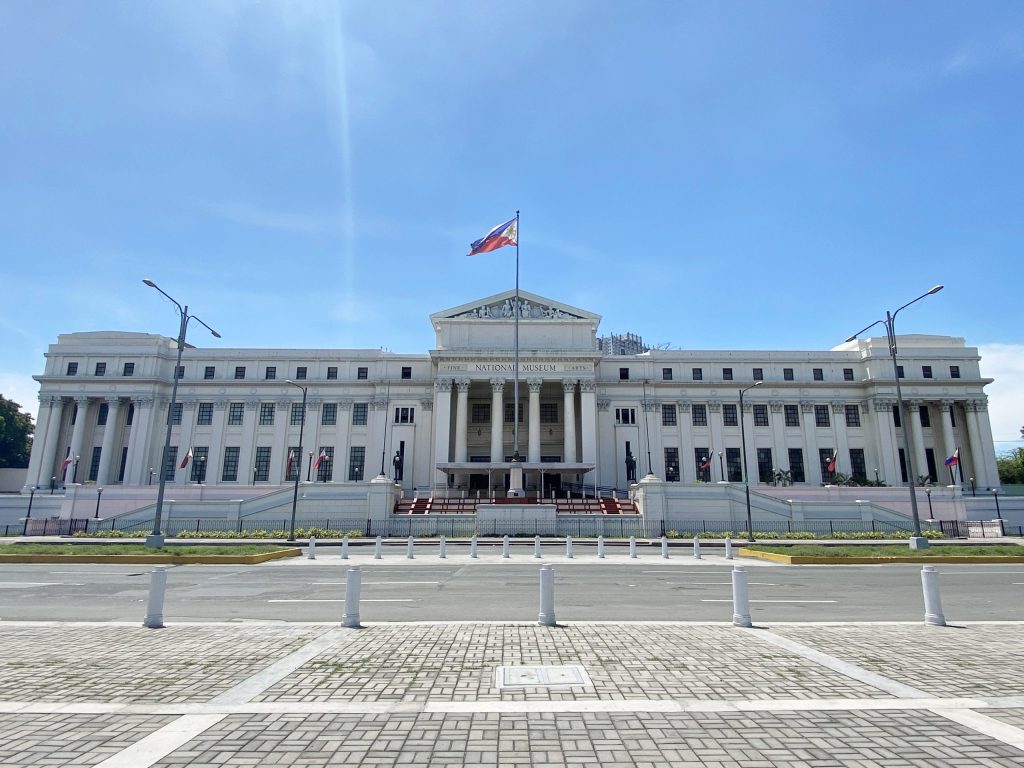
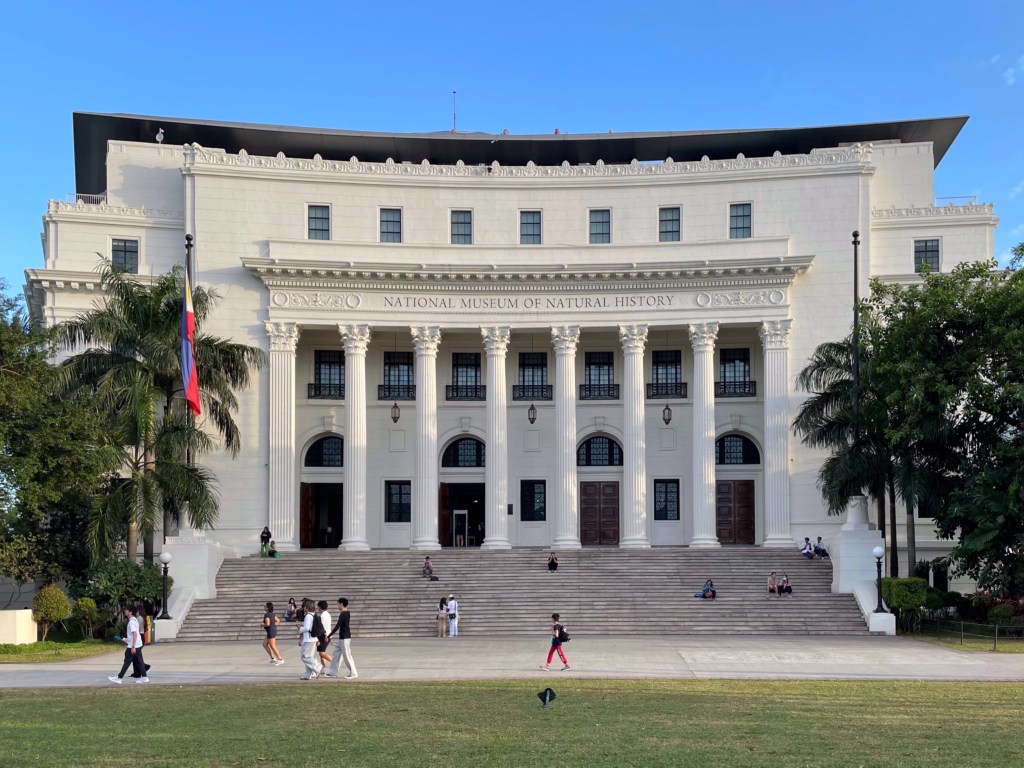
As a cultural explorer, I consider museums a “must-visit” on my travel itineraries, especially when the building is a heritage structure. For instance, I am so enamored with the National Museum Complex in Manila, which is composed of three heritage buildings – one for the Fine Arts, another for a wide collection of Philippine ethnology, and another for the natural history of the Philippines.
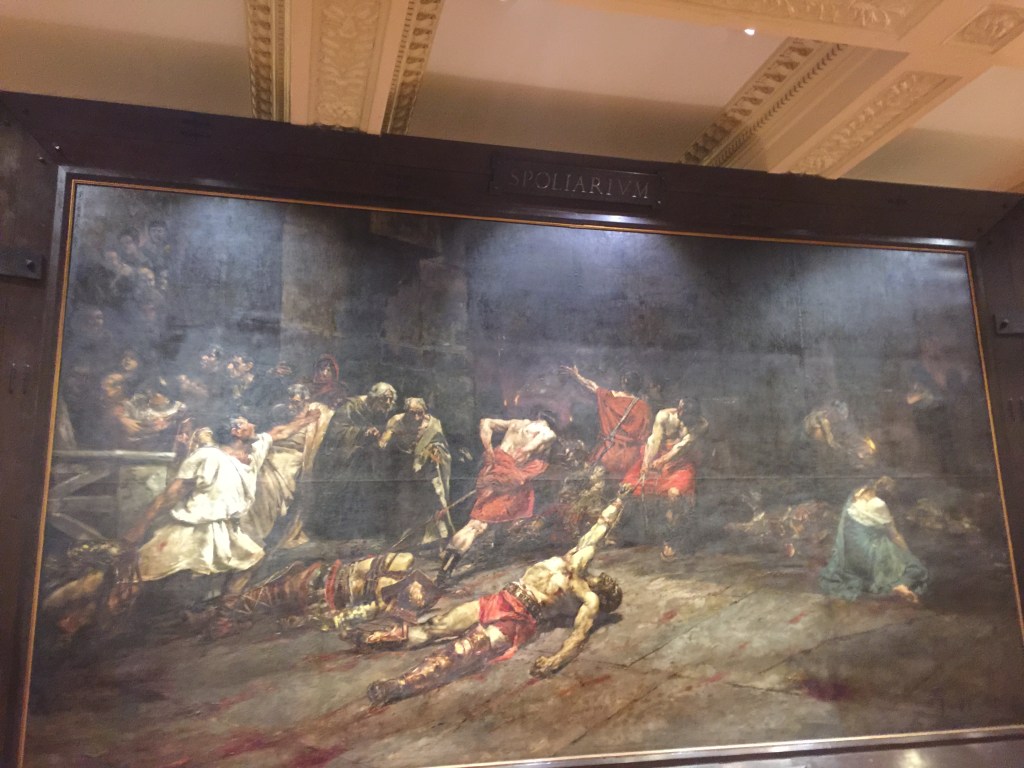
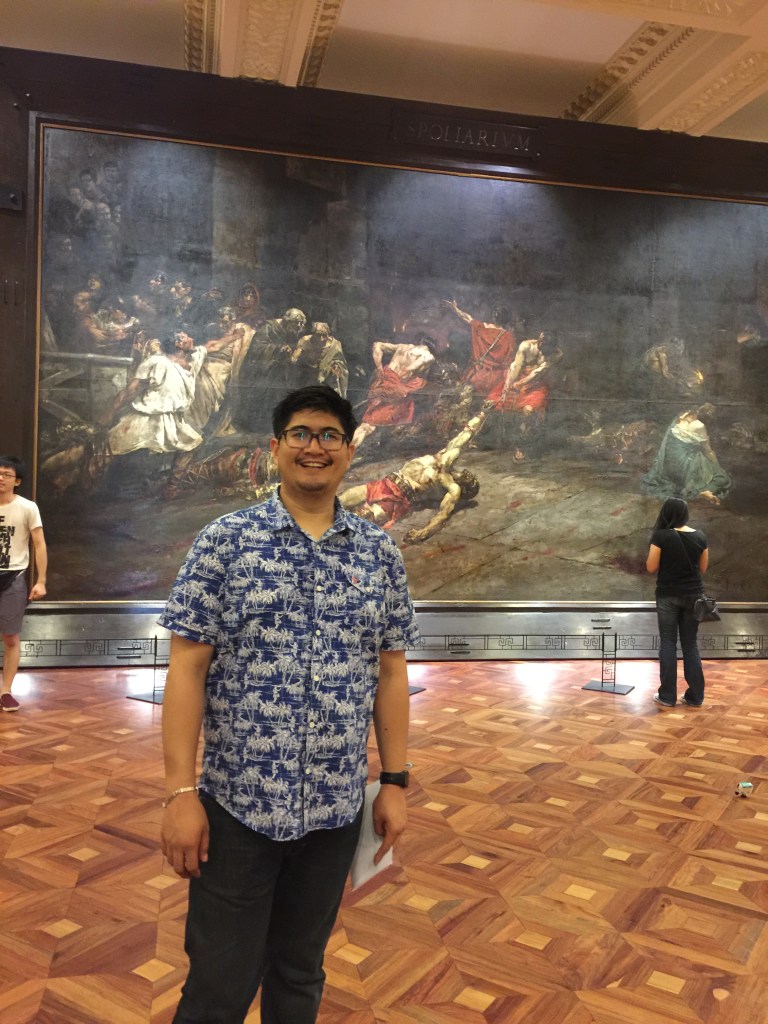
Formerly the Legislative Building and designed by Ralph Harrington Doane, Antonio Mañalac Toledo, and Juan M. Arellano, The National Museum of Fine Arts is home to 29 galleries and hallway exhibitions featuring 19th-century Filipino masters, National Artists, and leading modern painters, sculptors, and printmakers. Also on view are art loans from other government institutions, organizations, and individuals.
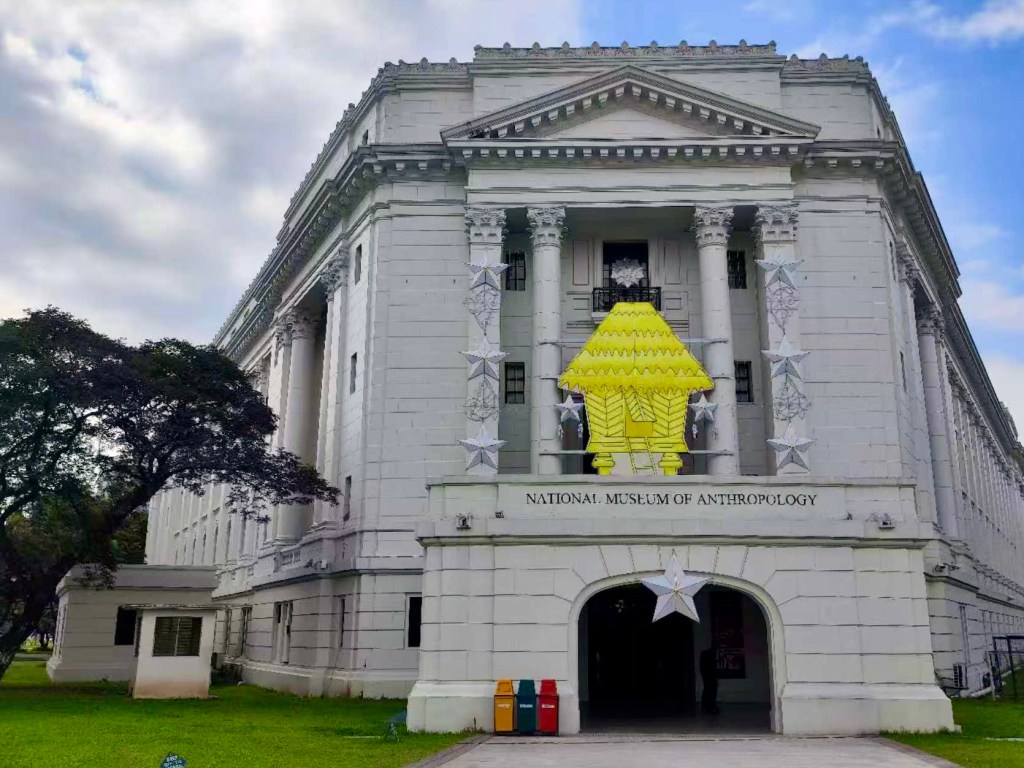
The National Museum of Anthropology, one of the buildings heavily devastated in World War II and reconstructed in 1949, stages the Philippine ethnographic and terrestrial and underwater archaeological collections, narrating the story of the Philippines from the past, as presented through artifacts as evidence of its prehistory.
Originally constructed as the Agriculture and Commerce Building in 1940 and designed in a neoclassical style by Filipino architect Antonio Toledo in the late 1930s, The National Museum of Natural History houses 12 permanent galleries that exhibit the rich biological and geological diversity of the Philippines. It includes creatively curated displays of botanical, zoological, and geological specimens that represent our unique natural history. At the center of the museum is a “Tree of Life” structure that proudly connects all the unique ecosystems in the Philippines, from our magnificent mountain ridges to the outstanding marine reefs.
Many cities around the world develop these kinds of complexes to tell their national narratives. Often, these museums perform the kind of nation-building that the countries have been pursuing and that they want people to think about. But whether these structures offer positive representations of the people and the nation, they are repositories of historical memories that exhibit the kind of figure the nation has been in various periods of time – as a friend, as an enemy, even as an oppressor (colonizer), or as the oppressed (colonized) of another nation-state.
In a more recent post, I described my experience in Ueno, Japan. Ueno Park is a museum complex that challenges Western authority in art politics, housing a large collection of works by renowned masters across painting, sculpture, and even architecture. Interestingly, the other museum buildings present a de-Westernized narrative of world history. For instance, at the Tokyo National Museum, we are offered a narrative of civilization and national development centered on traditional arts and indigenous culture, rather than the power of the army, as often depicted in the West.
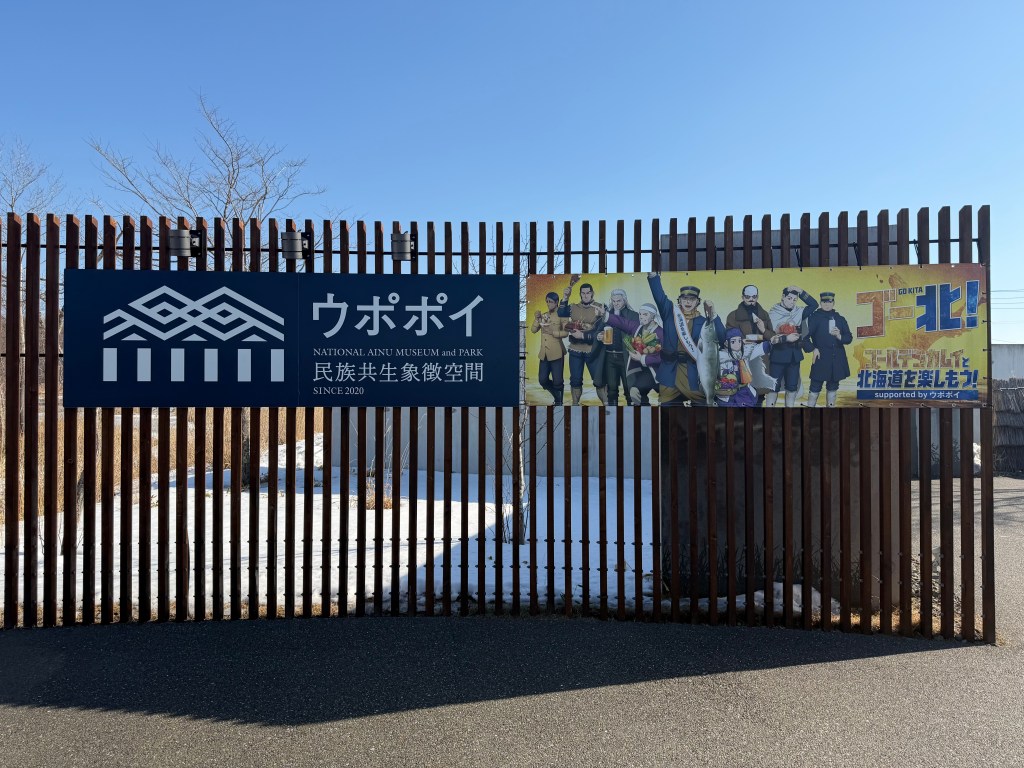
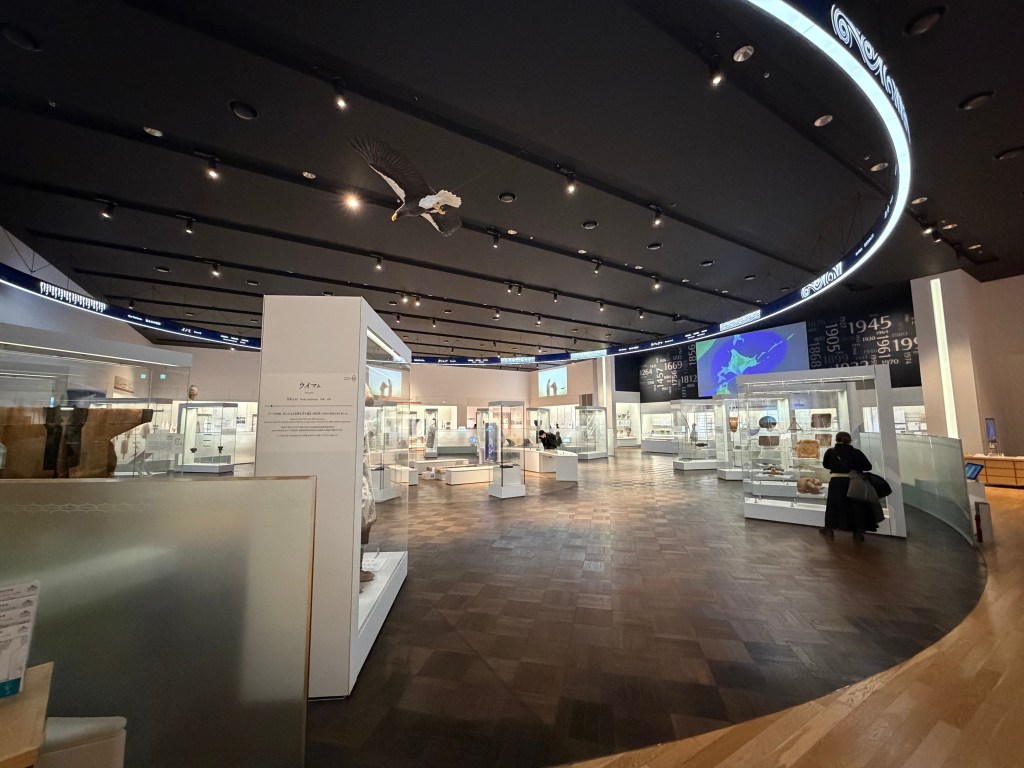
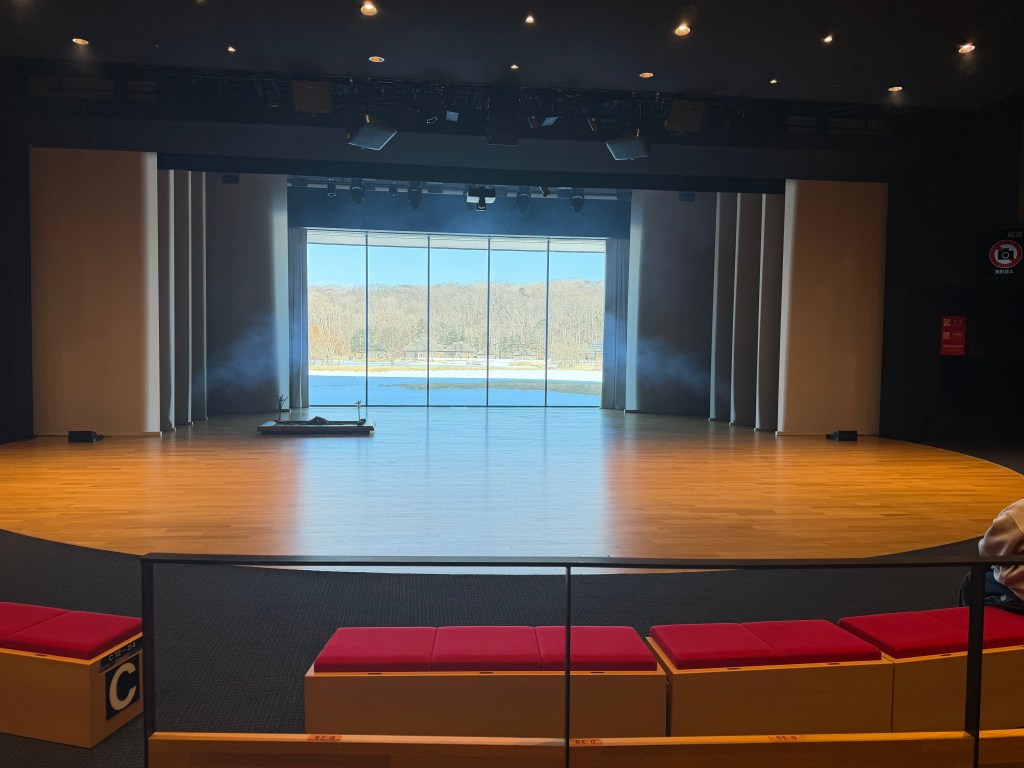
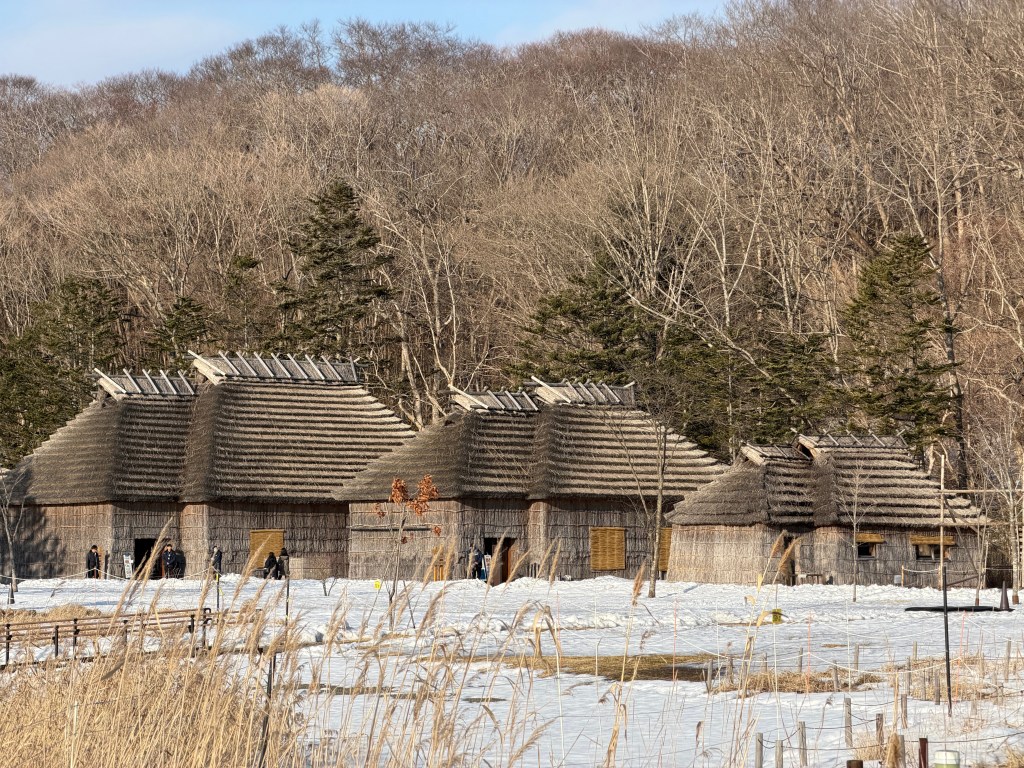
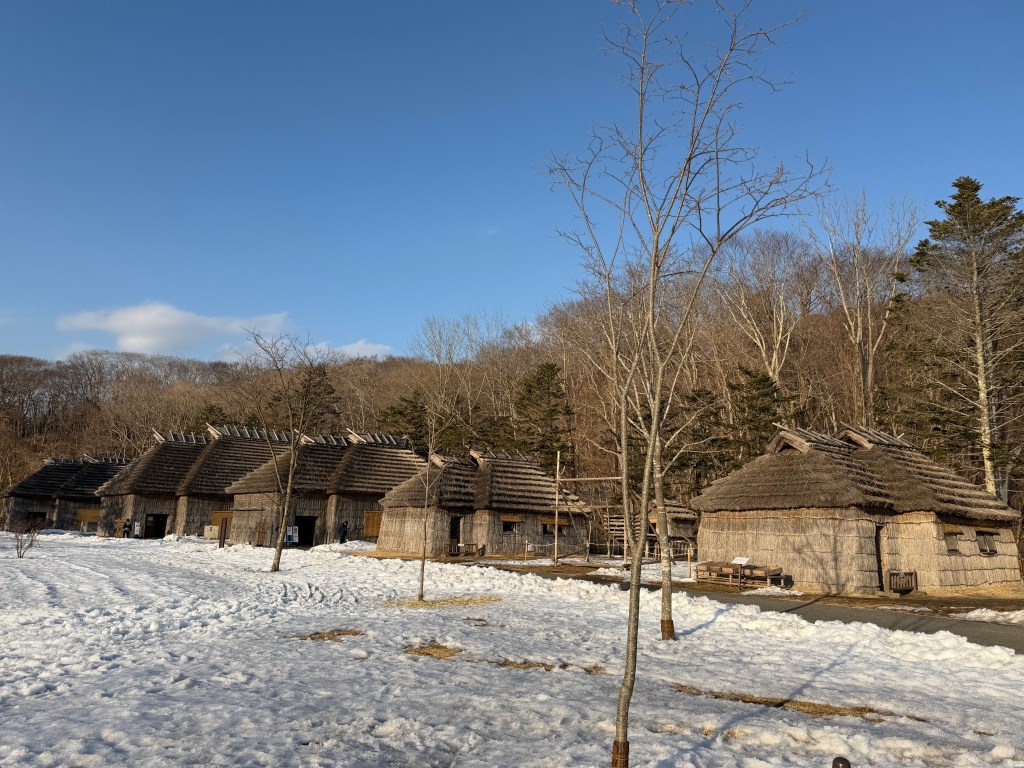
Up north on the Island of Hokkaido, I had the chance to visit the UPOPOY National Ainu Museum and Park Complexin the Shiraoi district. At the complex, I encountered six major buildings, including the main museum hall, the traditional village, and the cultural hall. The museum’s primary mission is to recover the Ainu narratives within Japan’s cultural and political histories. These Indigenous Peoples have been silenced by mainstream Japanese culture, and recognition of the Ainu’s role in the formation of the nation has only recently come into the limelight. In my view, the complex, which opened in 2020, is Japan’s symbolic reparation for the unfortunate episodes in the historical encounters between the peoples of the main island and the Indigenous Peoples of Hokkaido.
In New York City, 5th Avenue is known for its clusters of museums, beginning with, of course, the most popular, the Metropolitan Museum of Art (The Met), the Neue Galerie New York, the Cooper Hewitt Smithsonian Design Museum, The Jewish Museum, Museum of the City of New York, El Museo del Barrio, the Africa Center, and a personal favorite, the Solomon R. Guggenheim Museum, famed for its Frank Lloyd Wright-designed building and extensive contemporary art collection.
These museums are not part of any complex, but in NYC, they are identified as part of the Museum Mile, a mile-long stretch of 5th Avenue in Manhattan, New York City, where major museums are located. Although not part of the Museum Mile, it is worth mentioning that somewhere south of the long 5th Avenue stretch, walking eastward to 53rd Street leads to the Museum of Modern Art, or MoMA, as it is popularly known.

