
My colleagues and I had the opportunity to visit Nikko in the last week of February 2026. Our visit was part of a consultation with various institutions in Japan, as UP Diliman is in the process of establishing a Center for Indigenous Knowledges and Local Cultures. This center is envisioned as an interdisciplinary and transdisciplinary unit focused on Indigenous Knowledge Systems and Practices (IKSP) and Local Cultural Community Knowledge Systems and Practices (LCCKSP). Upon its establishment, it will be UP Diliman’s initiative to innovate, promote, and protect IKSP and LCCKSP, including practices, customs, arts, and scientific innovations.
The center will also address the diverse experiences of Indigenous Peoples and members of the Local Cultural Communities in the Philippines, draw on perspectives and theories from scholars, elder teachings, and ceremonies from these communities, and focus on IP rights and local cultural community rights, as well as the relationship between Indigenous Peoples and local cultures.
Our visit to Nikko was aimed at understanding their indigenous methods of preserving tangible heritage – particularly the shrines and monuments, many of which are inscribed by UNESCO as World Heritage Sites. Of course, the visit was to “benchmark” the city in terms of the indigenous practice of conserving and preserving ancient structures.
About two and a half hours’ drive north of Tokyo, Nikko is a beautiful, quaint little town. It is located in Tochigi Prefecture. Japanese brochures call it the center of mountain worship, with a stunning natural and cultural landscape. Deep in its forested mountains are 103 structures collectively called “The Shrines and Temples of Nikko.”
Located at the center of the city, the Shinkyo Bridge serves as the gateway to the National Park, where most of these WHS structures hide from the threats of modernity. Perfectly blending with the surrounding natural landscape, the bridge is ranked as one of Japan’s three finest bridges (together with Kintaikyo and Saruhashi in Yamanashi Prefecture).
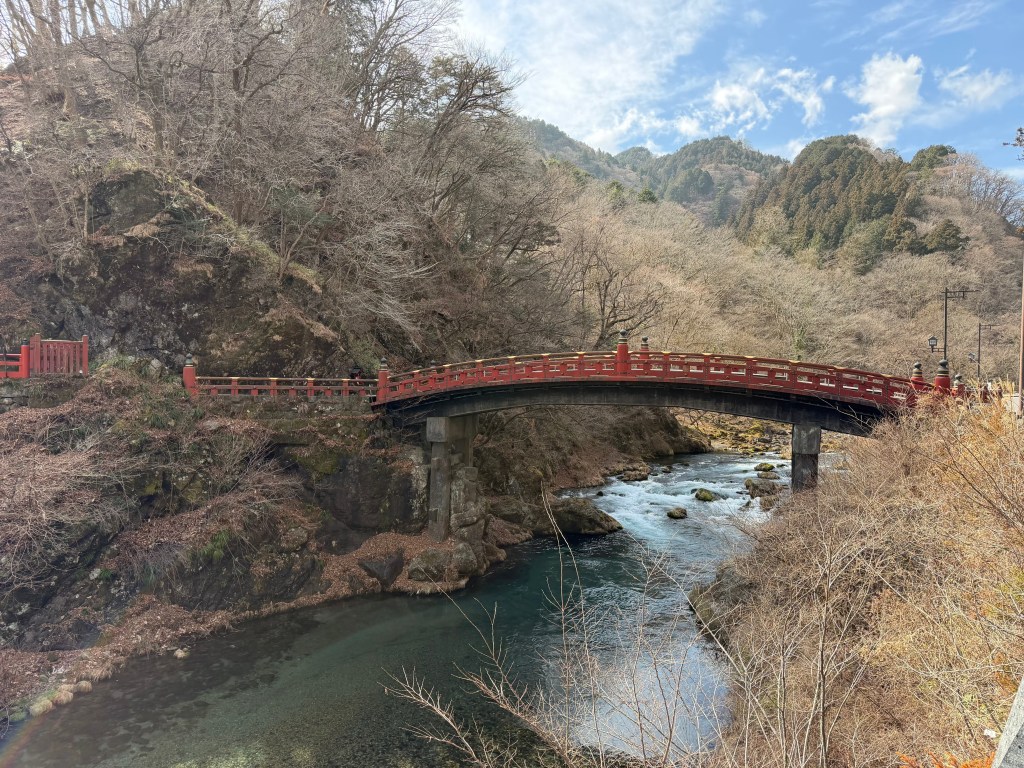
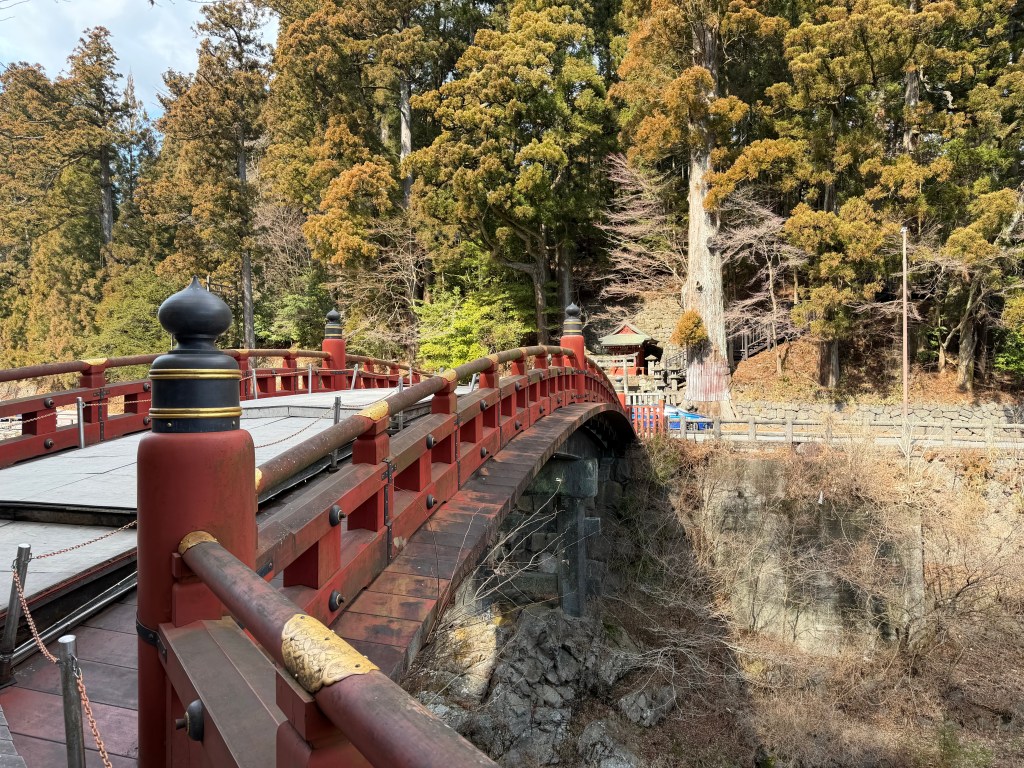
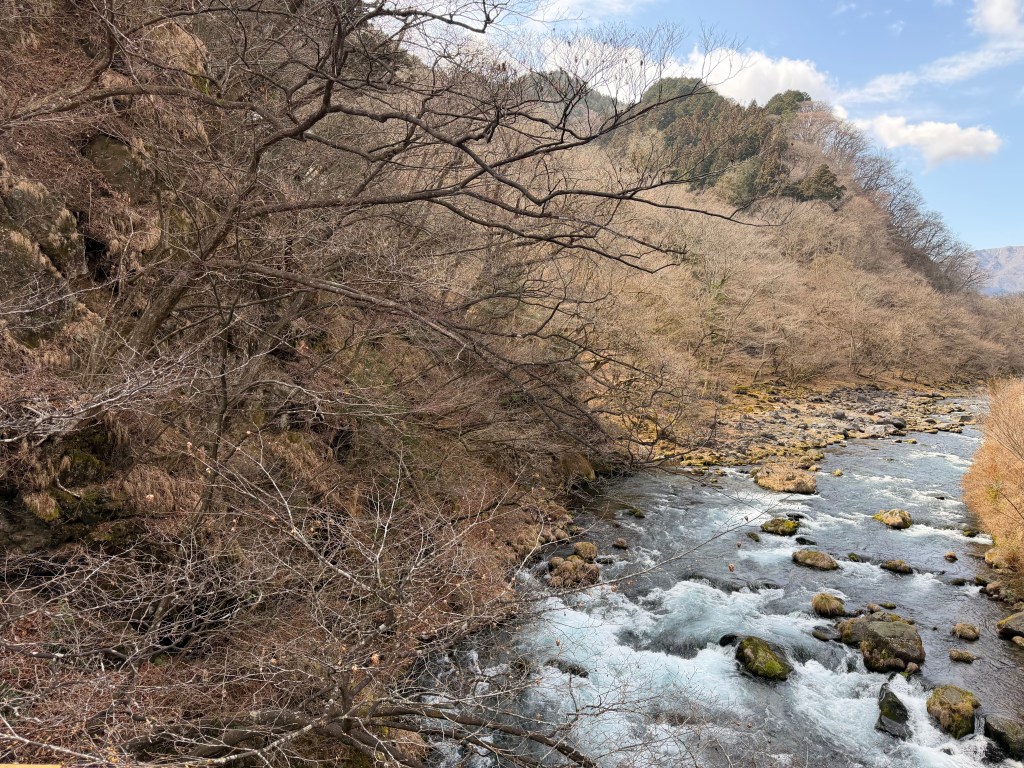
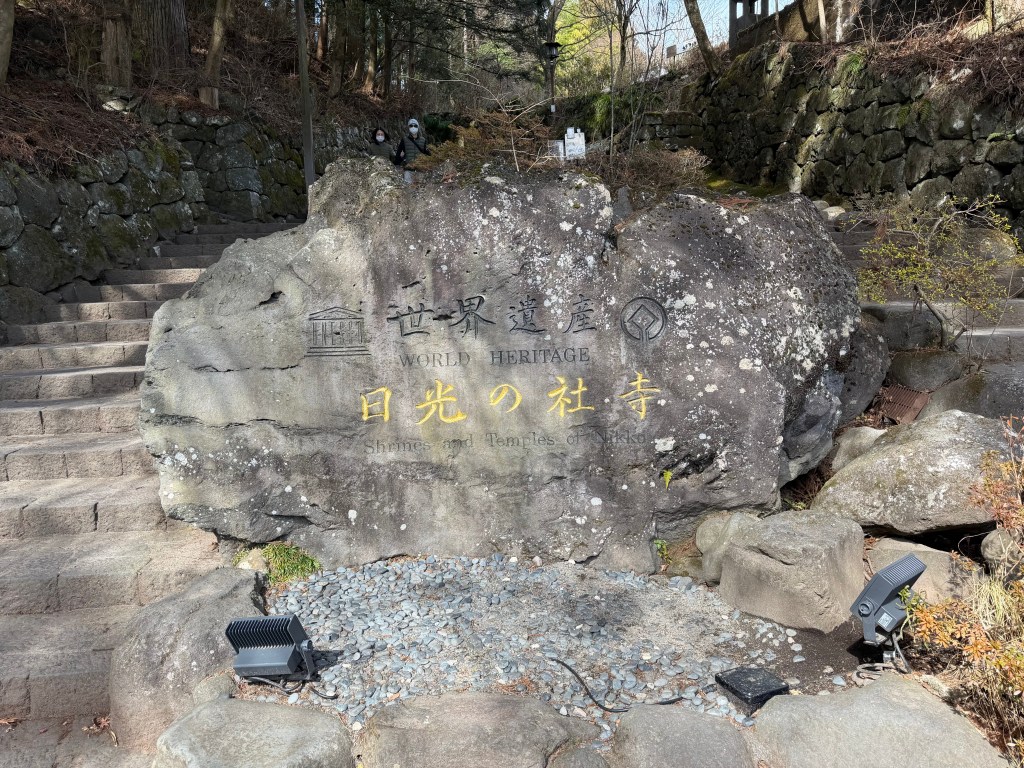
The current Shinkyo was constructed in 1636, but a bridge of some kind had marked the same spot for much longer, though its exact origins are unclear. Until 1973, Shinkyo was off-limits to the general public. It underwent extensive renovations in the late 1990s and early 2000s, and visitors today can walk across the bridge and back. The bridge is part of the shrine complex called the Futarasan Shrine, which is dedicated to the deities of Nikko’s three sacred mountains.
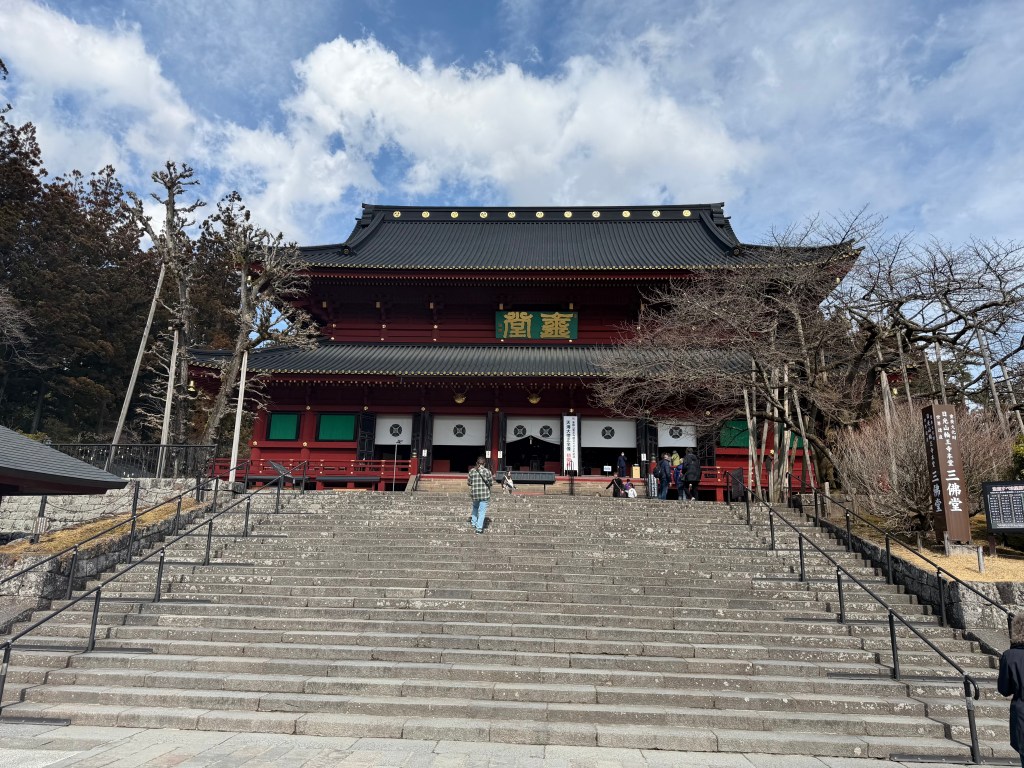
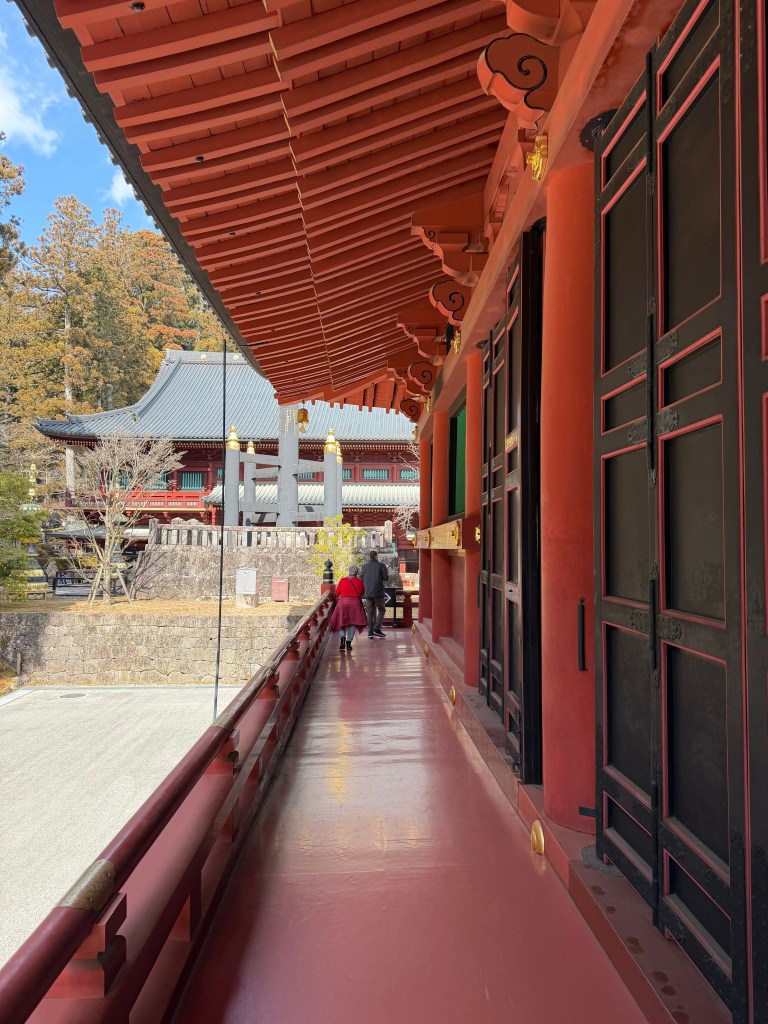
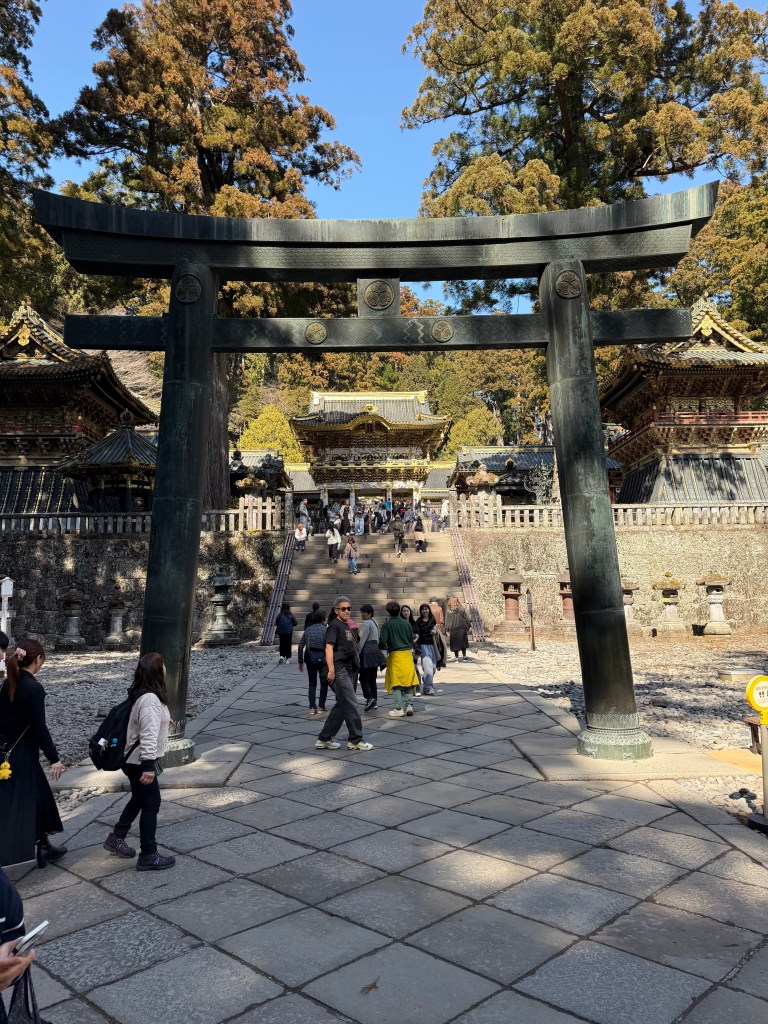
Across the bridge lies the entrance to the forest mountain – about a hundred steps lead to the massive Rinno-ji Temple, Nikko’s most important temple, founded by the monk Shodo Shonin in the 8th century, and to the colorful shrine complex known as the Nikko Toshogu Shrine, the final resting place of Tokugawa Ieyasu, founder of the Tokugawa Shogunate. The shrine is also known for its intricate gold-leaf decorations and famous wood carvings, including the Three Wise Monkeys (“see no evil, speak no evil, hear no evil”) and the Sleeping Cat.
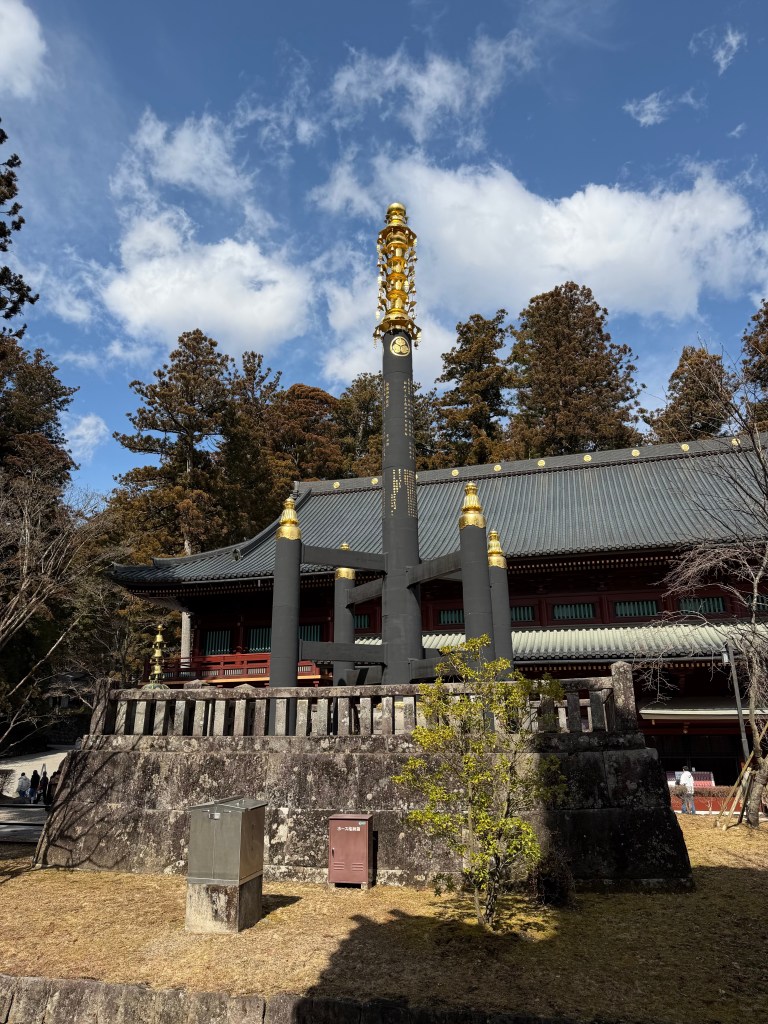
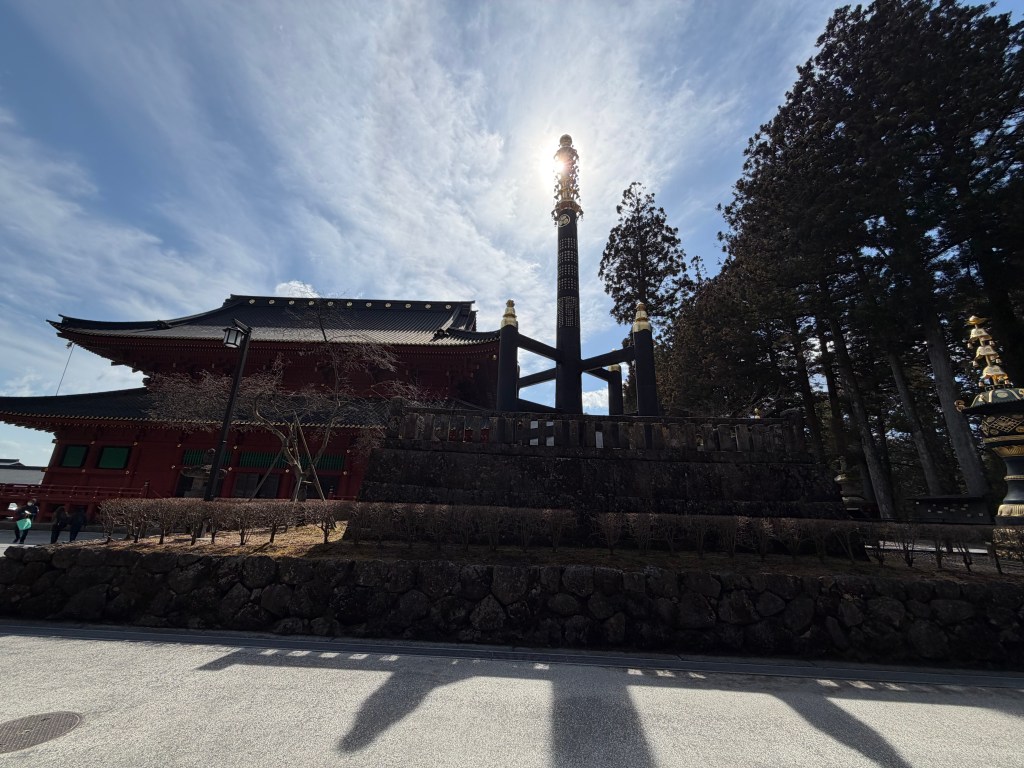
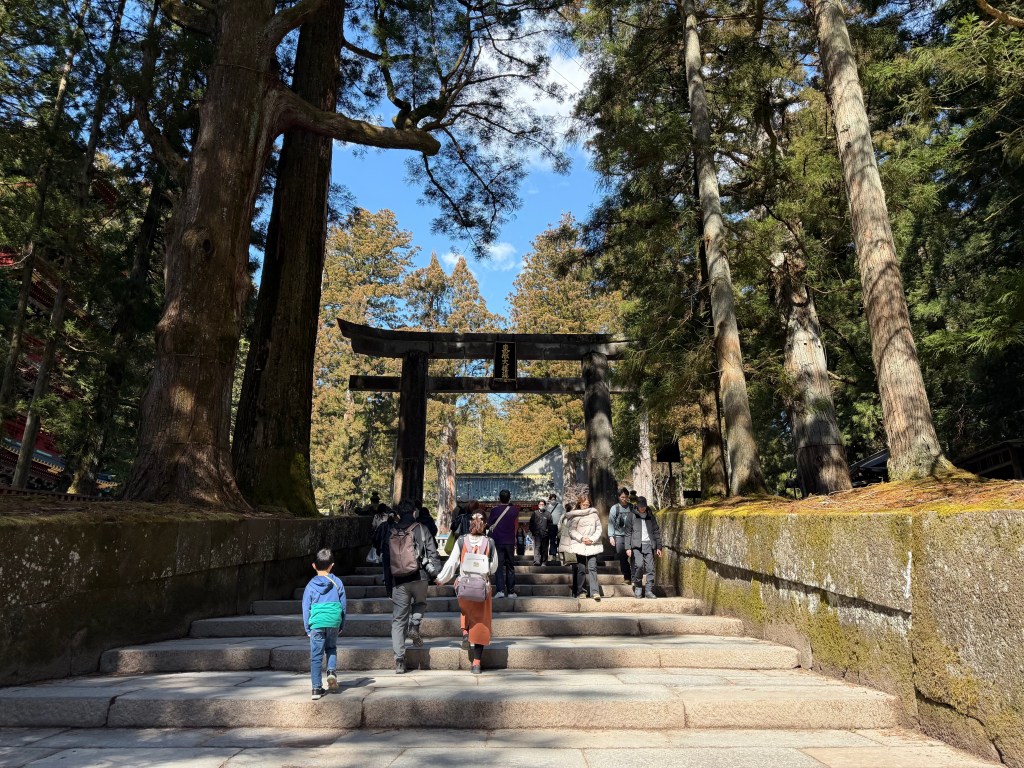
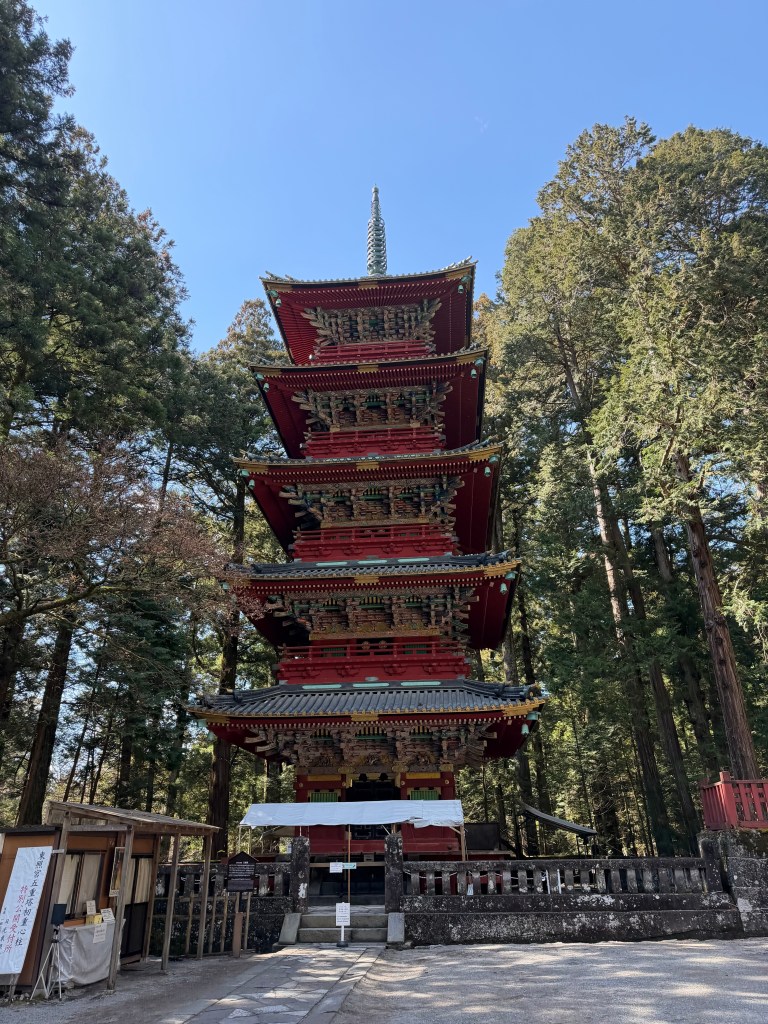
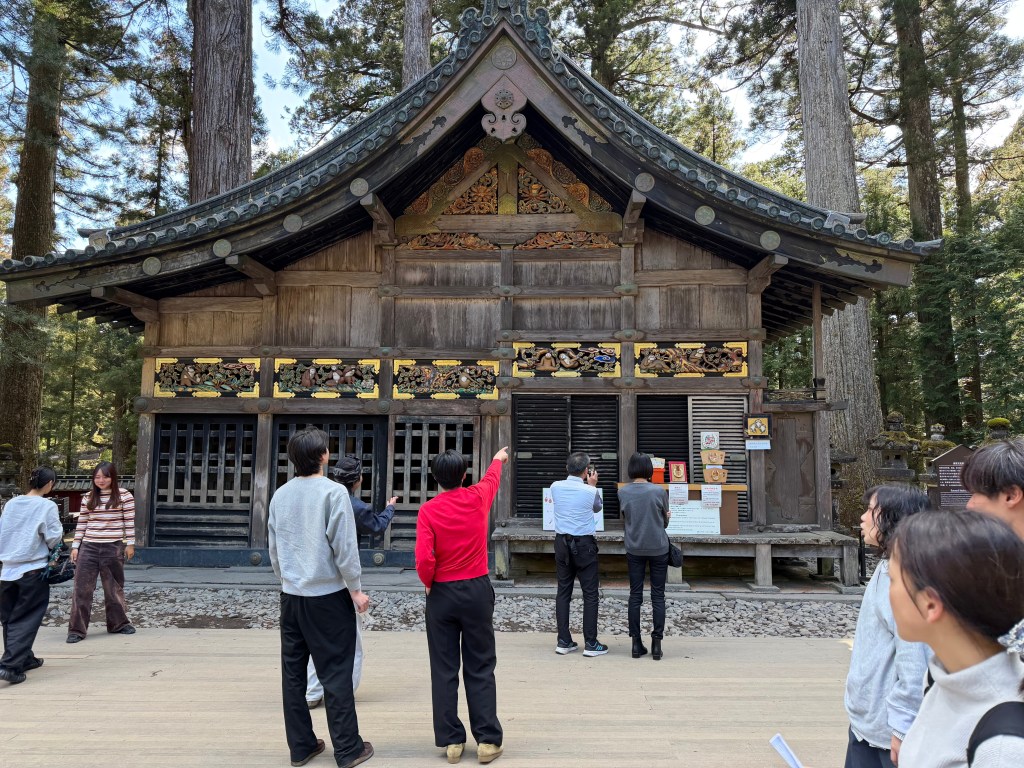
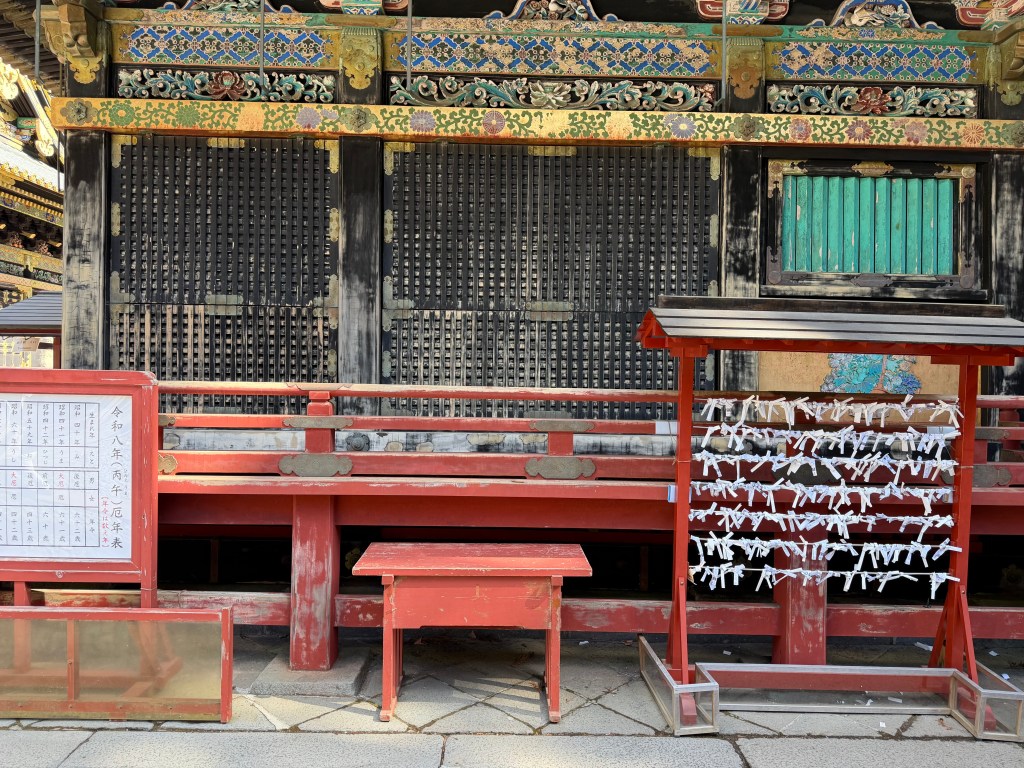
What amazed me about Japanese shrines and their WHS is their indigenous methods of preservation and conservation. We learned that most structures, while more than a thousand years old, are constantly restored and renovated. There are two key points. First, the materials used in the original construction are the same materials used for their restoration and renovation. Second, and most importantly, the indigenous methods and practices used to construct these massive heritage structures are the same methods and practices that locals continue to use. These are not archived in libraries but in the memories of the community’s architects and artisans. This proves that indigenous epistemologies and methodologies cannot be completely locked in papers but can be archived in the bodies of the cultural community.
After listening to our resource person (whose name I do not remember), I realized that Japanese restoration of World Heritage Site (WHS) temples, shrines, and monuments, such as those in Nikko, Nara [which I also had a chance to see way back in 2016 with my then-partner Al (+)], and Kyoto (which I also had a chance to see in 2014), is a meticulous process that combines ancient craftsmanship with modern scientific technology, emphasizing the preservation of both the physical structure and traditional building techniques. The process often involves complete dismantling, research into specialized materials, and training new generations of artisans to pass on traditional skills.
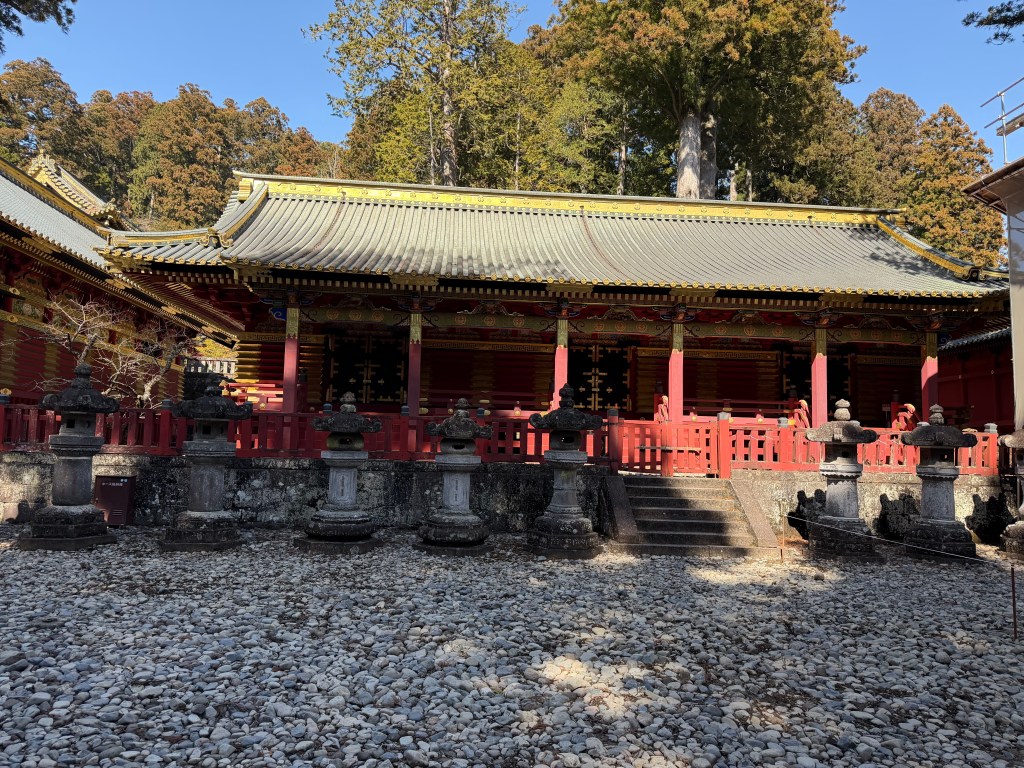
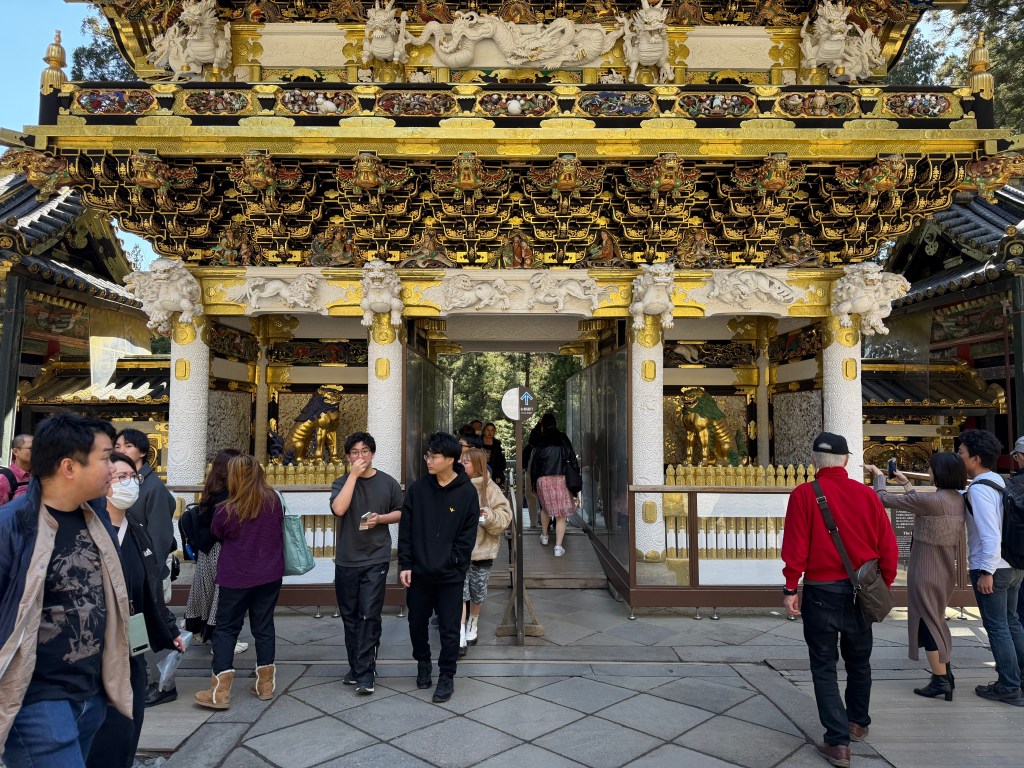
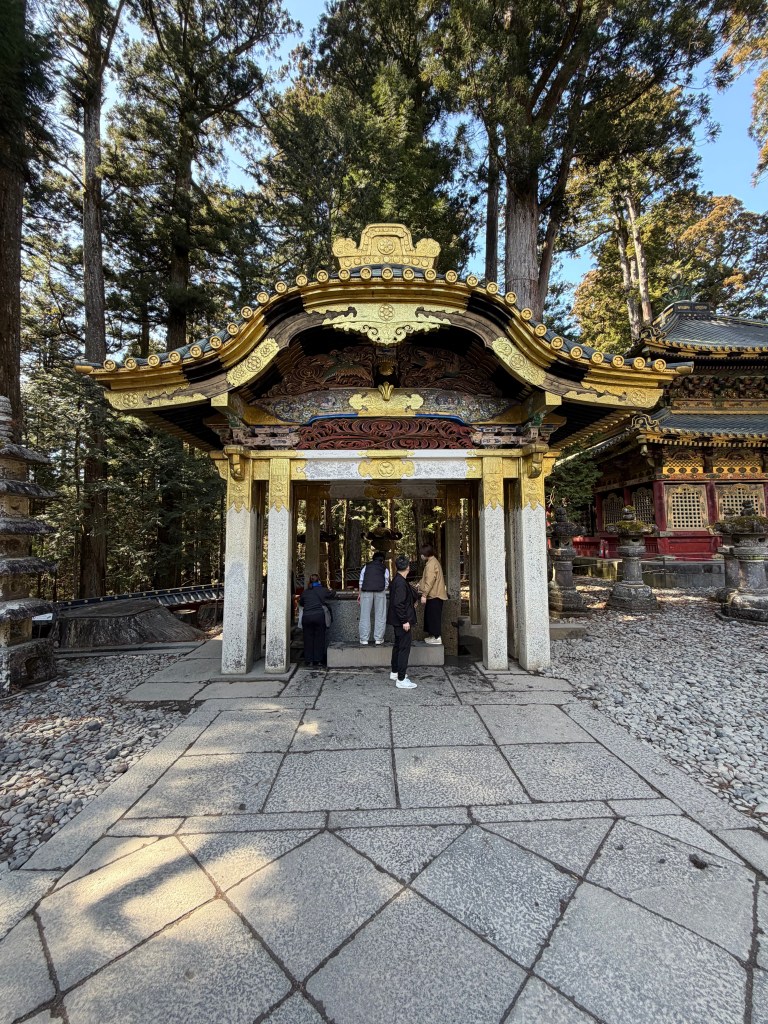
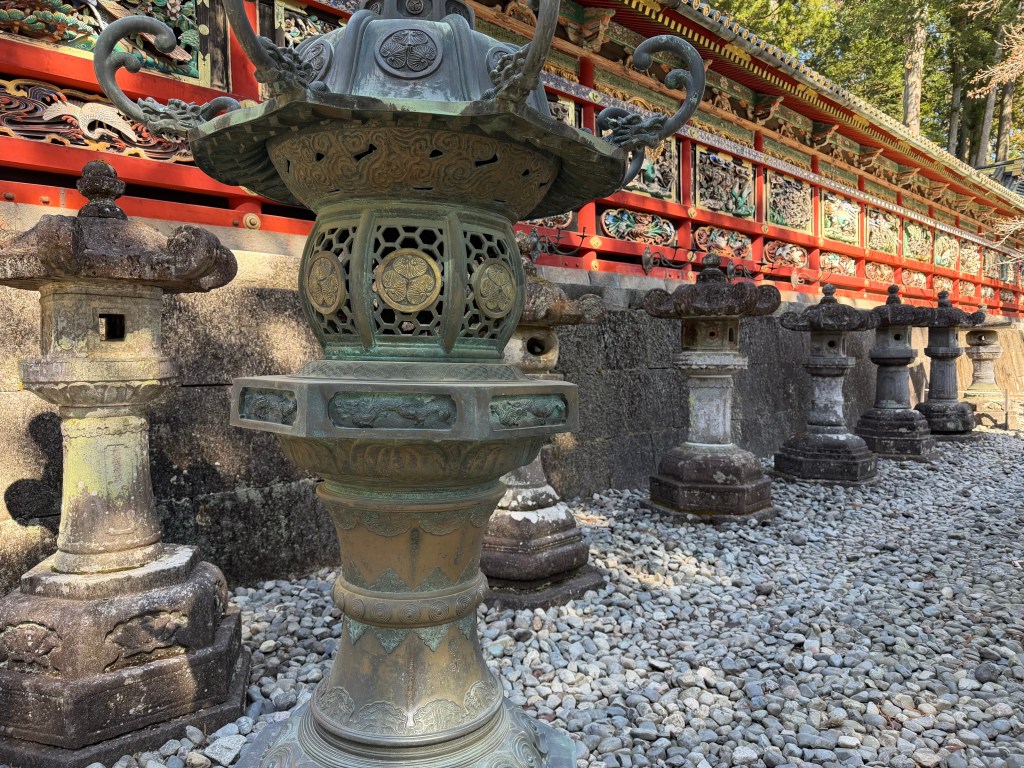
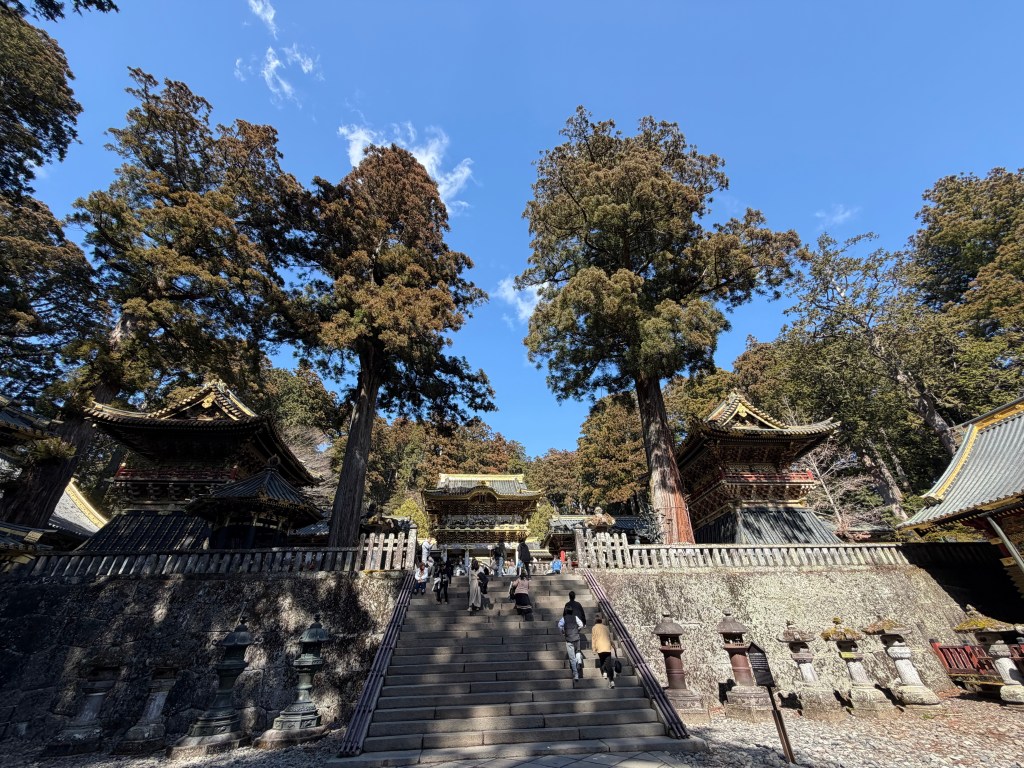
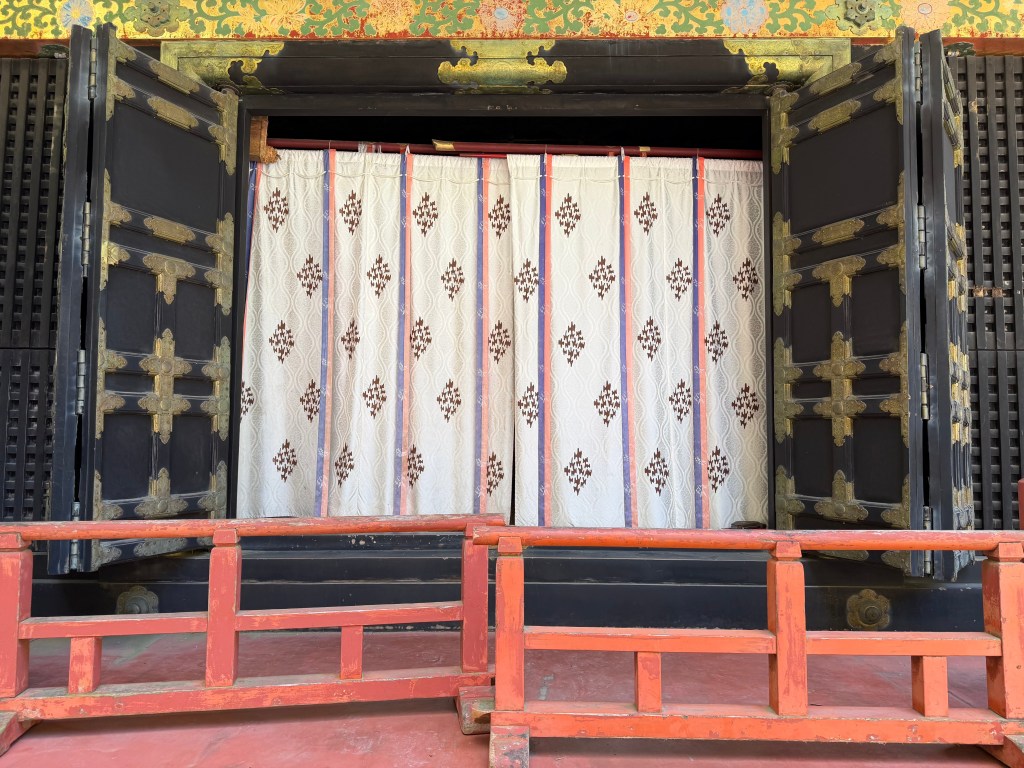
The Japanese have a term for this practice of dismantling an ancient structure’s materials with the goal of reconstructing it as if nothing happened: kaitai-shuri. Every single component is numbered, mapped, and photographed before removal.Original wood is reused. If rotten or damaged, it is repaired with an adhesive or replaced with new, traditionally treated wood. Restoration aims for maximum authenticity, relying on the same materials and tools used in the original construction. They use specific, high-quality timber (often Hinoki cypress), traditional natural pigments like bengala (red iron oxide), and natural adhesives in reconstructions and restorations. Skilled carpenters called miyadaiku are often the leading experts in restoration, and artisans perform complex wood joinery without nails, preserving the ancient building’s original joinery techniques. Repairs are always based on in-depth research to ensure accuracy, rather than conjecture; therefore, authenticity is also preserved.
Japan prioritizes human resource development to ensure that restoration expertise is passed down. Young carpenters are paired with experienced masters to learn specialized skills on-site, as in the case of the Rinno-ji temple renovations between 2009 and 2021. Yes, the temple was closed for more than a decade and underwent the process of kaitai-sinuri. The locals are hopeful that the current restoration will enable the temple to stand for more than a century.

