Popular culture says Mardi Gras and New Orleans are synonymous. However, New Orleans is also synonymous with jazz music, a music genre that, in my opinion, was created by the “citizens” of New Orleans in the late 19th to the first few decades of the 20th century by experimenting with rhythms and harmonies from blues, ragtime, and African traditional music. The city is also perceived as mysterious and mystical for its distinct magic tradition called New Orleans voodoo, a syncretic religion and magic tradition that emerged in Louisiana, blending African spiritual beliefs with Catholicism and other influences, particularly after the arrival of enslaved West Africans and Haitians in the 1700s (and introduced by Marie Laveau, a Louisiana creole, who spent most of her time as a herbalist, mid-wife, and a voodoo practitioner to bless and wish good luck and good fortune to people).
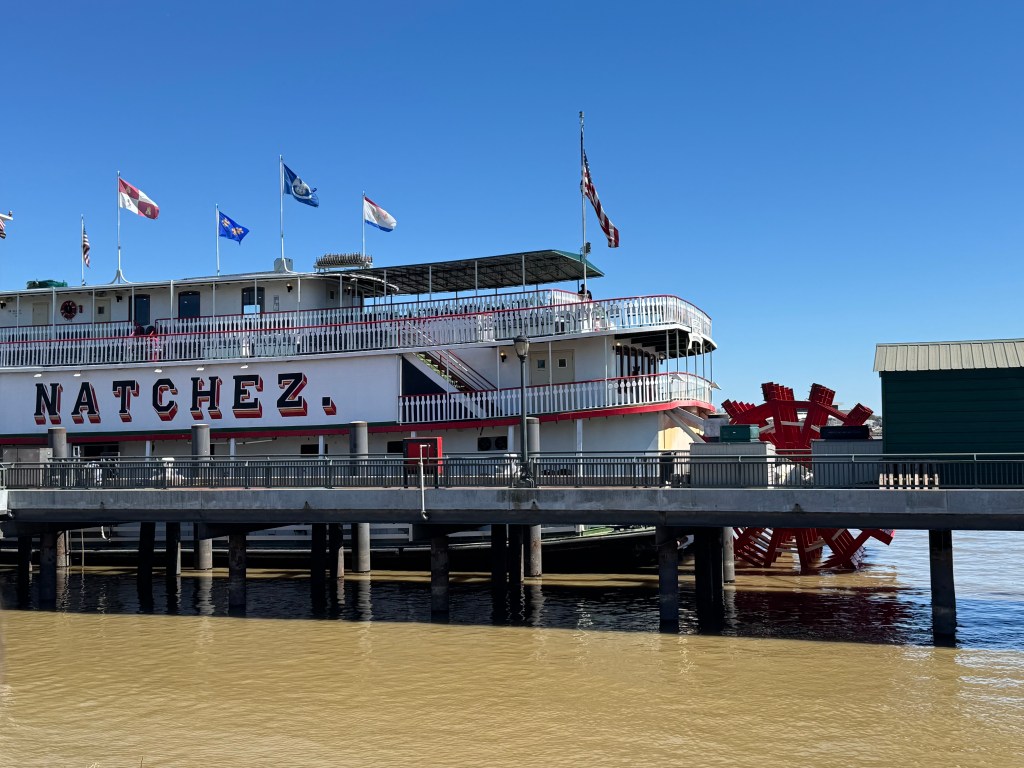
New Orleans has other names associated with it. Some call it the Cresent City, alluding to the course of the Mississippi River around and through the city. During a steamboat break (provided by Natchez through the Gray Line tours), the narrator called it the Big Easy, which accordingly was a reference to the turn of the 20th-century jazz musicians of the city who performed the complicated musicality of the music genre as if seemingly very easy. Then, there is also NOLA, a girl’s name. which I realized was the acronym for New Orleans (NO), Louisiana (LA), only after arriving in the Big Apple when a friend pointed that out.


While Mardi Gras is popularly a New Orleans identity, another cultural performance in the city, called Mardi Gras Indian, is equally significant to the town’s rich history and contributes to its rich and vibrant identity. When my colleagues and I arrived in New Orleans, we discovered that New Orleans was celebrating what the locals call Super Sunday. The Mardi Gras we know and is celebrated in popular culture is performed in the city center and the infamous French Quarter during Fat Tuesday (the day before the start of the Lenten Season in the Catholic calendar). The Mardi Gras Indian celebrated during our arrival was concentrated in the city’s Garden District. Anyone can actively participate in the Fat Tuesday Mardis Gras, while only the descendants of the original settlers of New Orleans and the descendants of the African-Americans who were once upon a time belonging to the slave class.
Some colleagues who have participated in the Fat Tuesday Mardis Gras said this festive gathering was carnivalesque, so inhibitions were thrown away. It was an occasion where the profane became the sacred, and obscenity was the norm. And why would it not be the norm, there was alcohol everywhere, and the sensuality of jazz music made the body burst into ecstasy. Women flashed their boobies while men flashed their tools in exchange for beads. However, many locals I conversed with told me the flashing was not part of the cultural tradition. As one local said, that was not very New Orleans. Somehow, the flashing was thought to have started by rowdy tourists who were very drunk and wanted instant access to the beads thrown to the crowd by the residents and the alcohol given to the participants.
Another important discovery from the locals is that the traditional mardi gras in New Orleans is not really held in the French Quarter but outside of it, along the city’s major roads, namely Canal Street and St. Charles Avenue. The festive gathering was organized by guilds or clubs, traditionally called krewes in New Orleans. These are like the guilds of the Mystery Plays during the Medieval period in Europe. In this regard, the Mardis Gras was a series of floats paraded around the city. The parade was a sort of last hurrah before the solemnity of Lent. This is why Mardi Gras is known to be a day of excesses since it is the last day before empathizing with the passion and life of Jesus Christ.
But anyhow, the Mardi Gras we witnessed was a totally different one.
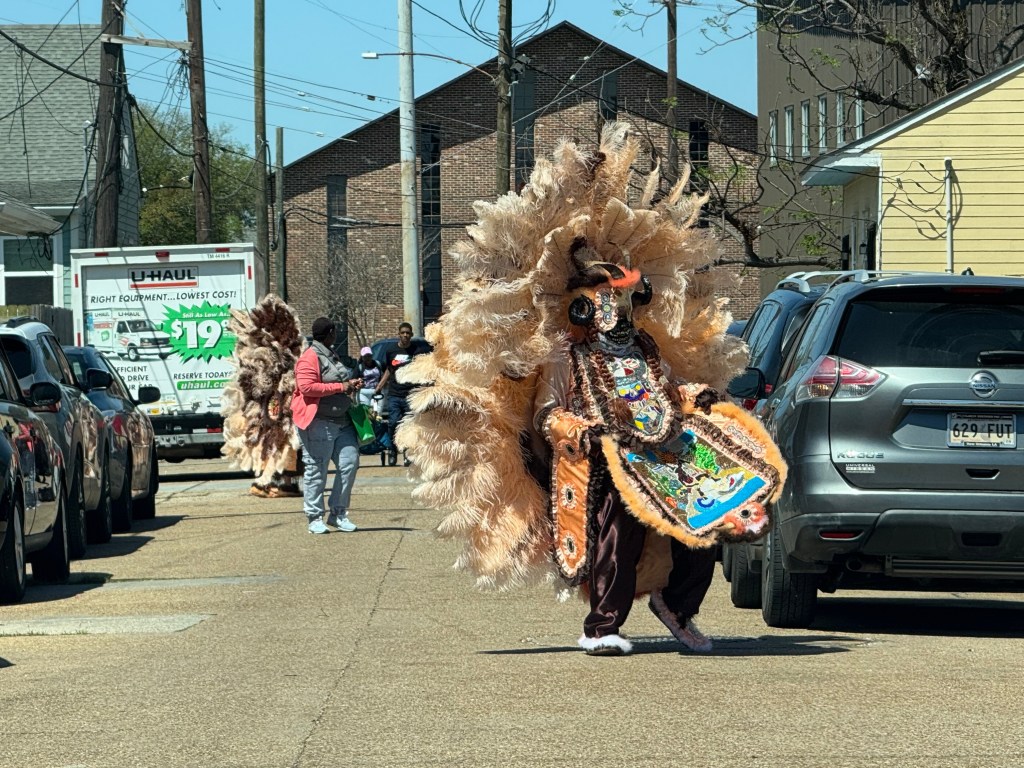
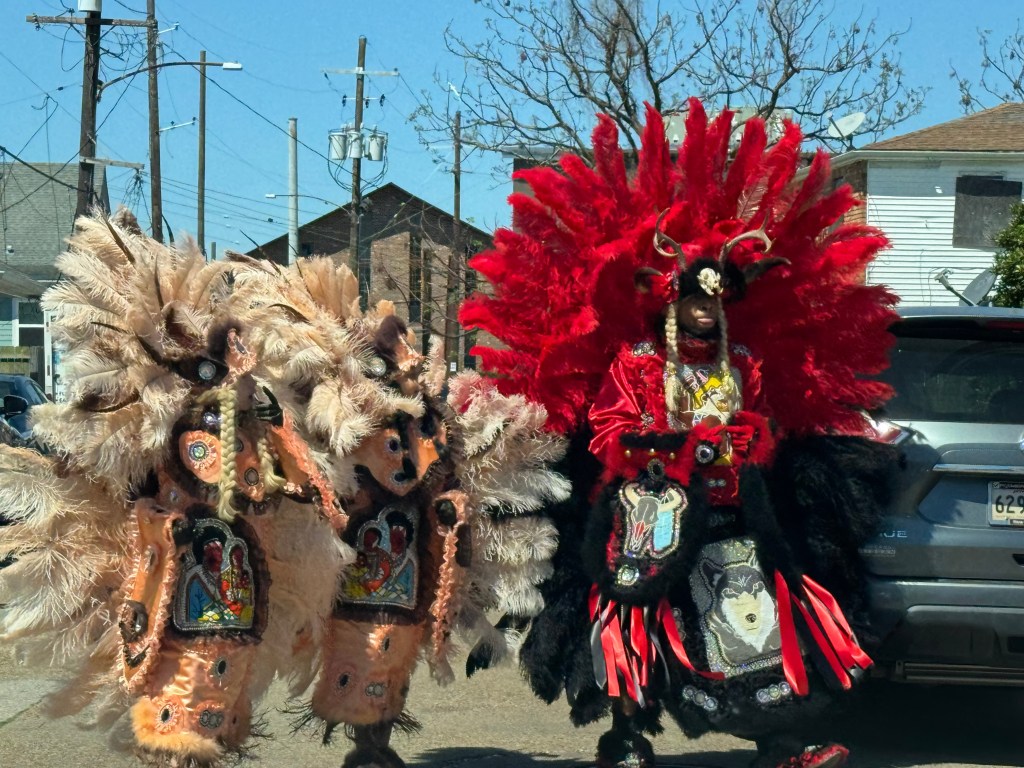
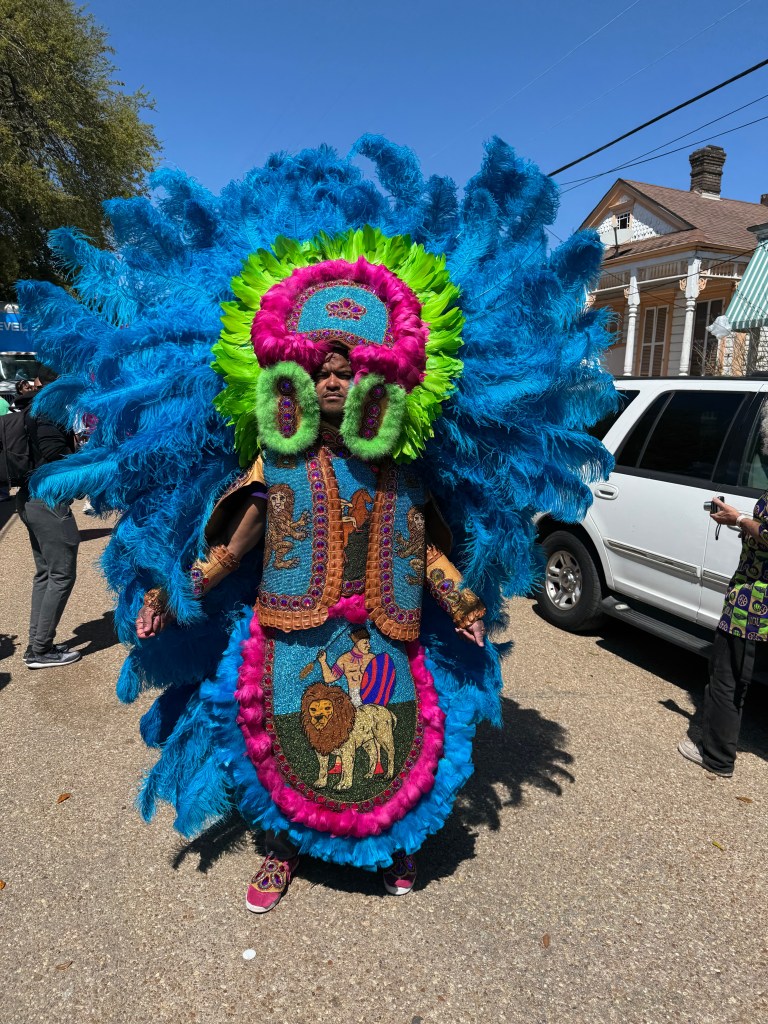
On our way to the site, we were welcomed by a group of performers wearing elaborate costumes that, according to our very gracious Uber driver en route from the airport to our hotel, were prepared for a year.
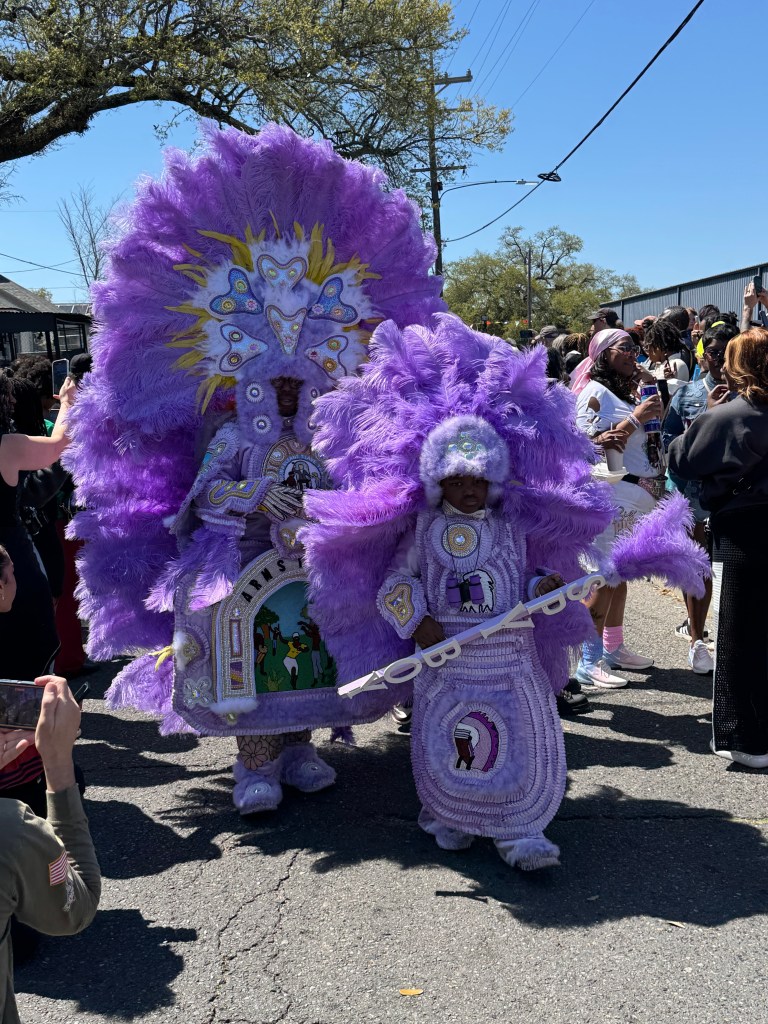
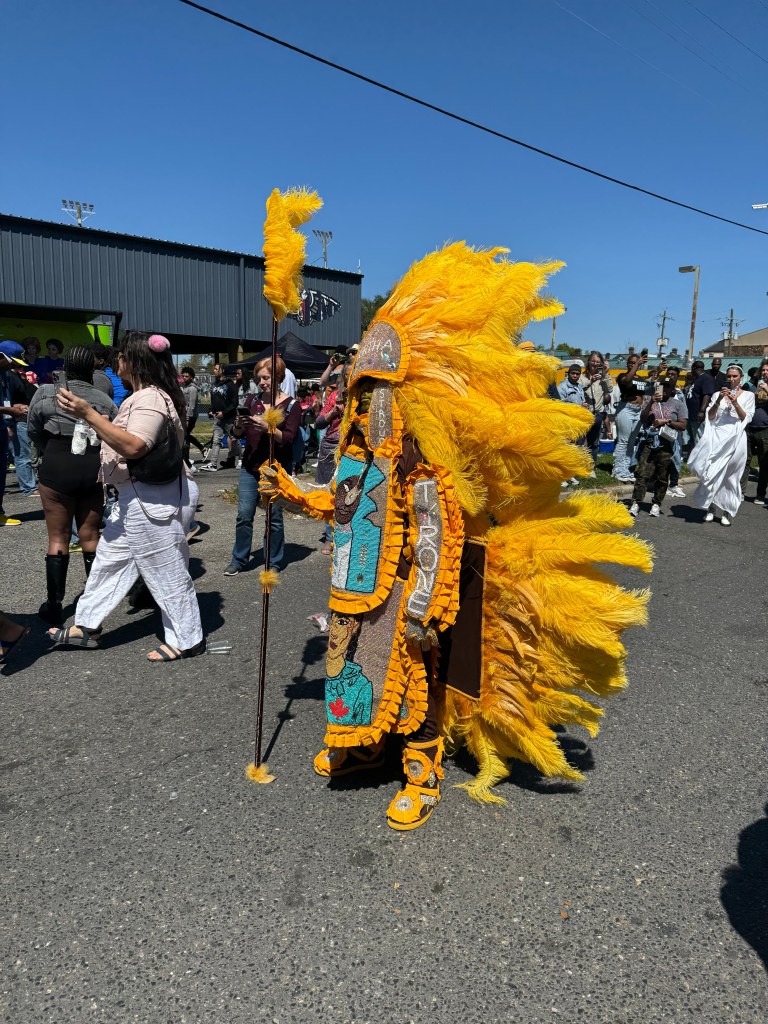
Mardi Gras Indians organize in groups known as “tribes.” Typically, they identify by tribe names. Mardi Gras Indians scholar Jeron Deuwulf describes the tribes as spiritual secret societies, mutual-aid organizations, and social clubs. Today, tribe names are influenced by street names, ancestry and important cultural figures.
The parade begins with what is identified as spy boy, dressed in a light costume that allows him the freedom to move quickly (because they are the mouthpieces of the tribes). Next in line is called the first flag, an ornately dressed Indian carrying the official color of the tribe. The wildman is always positioned near the big chief. The wild man carries a symbolic weapon and, by inference, is the right-hand man of the tribe’s leader. The big chief decides where to go and which tribes to meet (or ignore). A group of percussionists and revelers follows the tribe, providing music all throughout the parade.
During the parade, the tribes dance and sing traditional songs particular to their individual tribes. The parade route is different each time, depending on the vision of the big chief. What I find interesting in this procession is this: when two tribes come across each other, they either pass by or meet for a symbolic fight. Each tribe lines up, and the leaders (big chiefs) taunt each other about their suits and tribes. The drum beats of the two tribes intertwine, and the face-off is complete. Both tribes continue on their way.
This cultural tradition in the Garden District was developed as a form of cultural protest, said our driver. Interestingly, it commemorates a cultural memory. Traditional religions of the Africans were not allowed in New Orleans during the era of slavery. Maskmaking and mask-wearing were important African traditions that played significant roles in their religious rituals and ceremonies. We were told that the native Indians (the Chitimatcha, the original settlers of New Orleans) allied with the Africans. The Native Americans could perform their religious ceremonies. Through these ceremonies, Africans found ways to perform their religious rites, albeit with modifications, so as not to be caught by their masters and the colonial government. Given this narrative, I thought the performance embodied a performative archive that was suggestive of the body as a repository of a memory that was attempted to destroy by the new settlers and elite community members.

This resonated with the Ati-Atihan of the Kalibohonans on Panay Island. I have written elsewhere: “The festival [Ati-atihan], then, serves to remind the community that the Atis are the original settlers of the island, and in this way, they are remembered. In this regard, the festival celebrates and, at the same time, repulses a colonial disposition. The festival is Catholic but the invocation of the Maragtas as a centerpiece is a subtle repulsion to the colonial framework of Hispanic Catholicism. On the other hand, the festival is also a performance of faith as much as it is a performance of superstition or folk belief. The devotion as manifested in the panaad is combined with alcohol and body frenzy, making the sadsad almost like the carnival in Rio and the Mardi Gras in New Orleans. It is a performance of nostalgia and, at the same time, a performance of utopia. As explored earlier, the performance is a commemoration of the Atis, the ancestors of the Panaynons, but it is also a performance of hope through the panaad, which is often oriented towards a better future.” (Sir Anril Tiatco, “Celebration and Remembrance in Kalibo’s Ati-Atihan: Mythmaking, Devotion, and Cultural Memory” Asian Theatre Journal 40.1 (2024): 269 – 295, p. 291).
The Mardi Gras Indian during the Super Sunday, in my view, was more carnivalesque, in a sense that it was more subversive than the Fat Tuesday Mardi Gras. There was subversion because it did not want to be dictated by the dominant norm. It was subversive because it was performed to protect the oppressed (the African slaves) by the equally oppressed (the Native Indians). It was subversive because the Native Indians were not afraid of the repercussions of their actions.
 Tanghal Kultura