
It’s Holy Week 2024.
To commemorate the passion, suffering and death of Jesus, the Christ for many faithful, I share my experiences and a little reflection about my visit to Jerusalem in December 2022.
As mentioned in an earlier post about my travel experience to what is identified as the Holy Land (the region comprising of some parts of Jordan, Palestine, Israel, and Egypt), several co-participants in the trip were engaged in a pilgrimage – attempting to follow the footsteps of several biblical figures – from Moses to Joseph, son of Jacob to Jesus and his apostles.
While I was not enthusiastic about the pilgrimage intention, my Jerusalem experience was very contemplative. As the group recalled the Via Dolorosa or the stations of the cross, I imagined myself to be one of the crowd and could not help but see the actual characters of the passion narrative come alive.
A space has a memory so to speak. The old wall of Jerusalem was a site of memory where as I and the other pilgrims proceeded with the walking enacted a memory, even if that memory was not witnessed by us at all. In this regard, the site becomes performative by virtue of commemoration and our invocation of such memory through the ritualistic performance of the Via Dolorosa. Through the community of believers, the site becomes a commemoration of an event that arises out of a conviction, a belief, shared by the broad community and that the moment recalled, in this case, the passion and suffering of Jesus, is universally significant and it is informed by a moral message. For the Catholics and Christians, that message is hope:that despite everything, all is forgiven because the suffering of Christ has a redemptive feature.
However, the idea of a “site of memory” is also problematic. Identifying a location as a site of memory may be instrumental for people to argue about its actual historical significance. This is also what is being experienced in Jerusalem today. The Old City of Jerusalem and its Walls is a UNESCO World Heritage Site. Surprisingly, its inscription was not even proposed by Israel or Palestine. It was Jordan which proposed for the site to be included in the list. This is because, the historical significance of the place is also affected by the political affairs and socio-cultural conflict between the two nations.
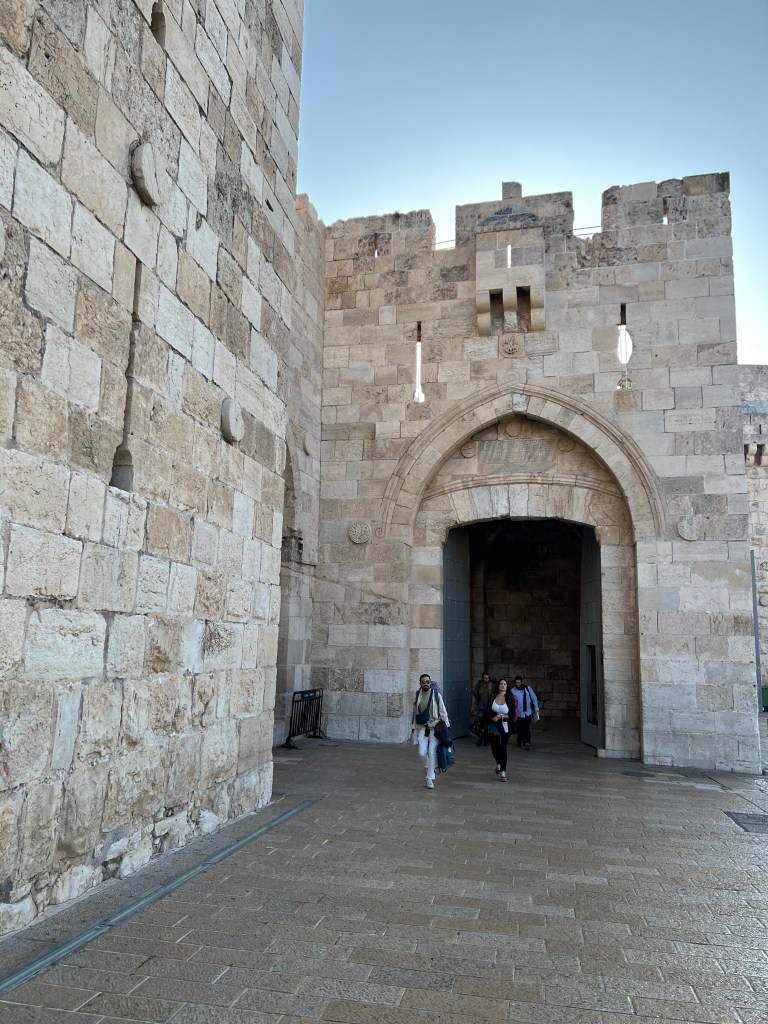
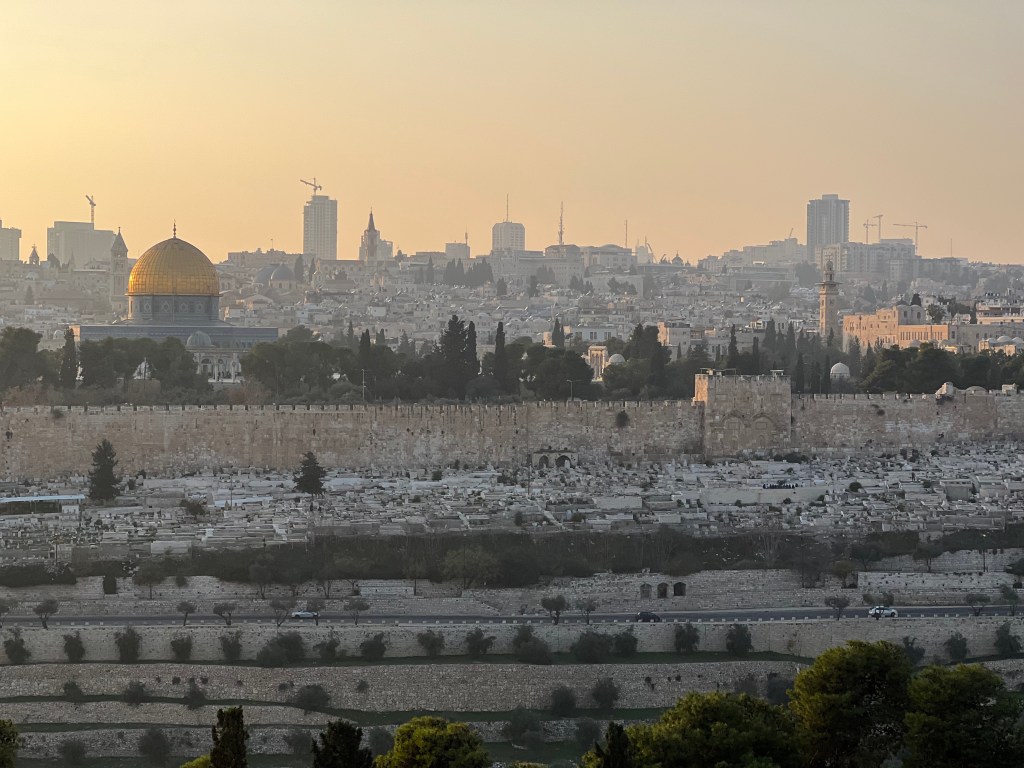
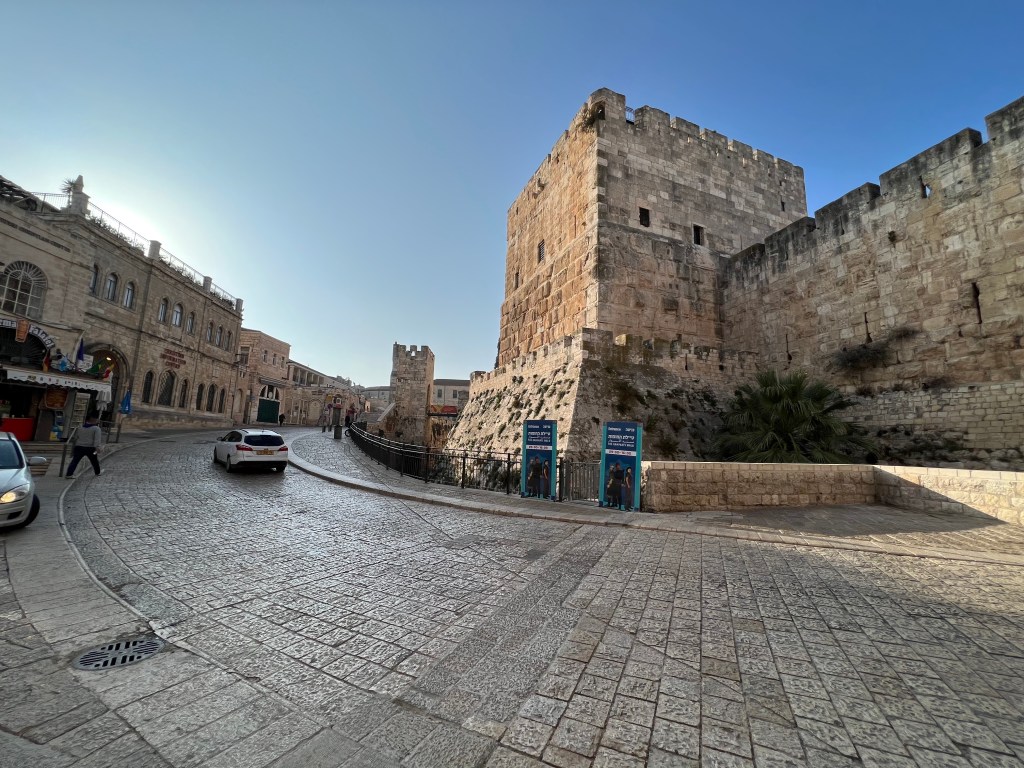
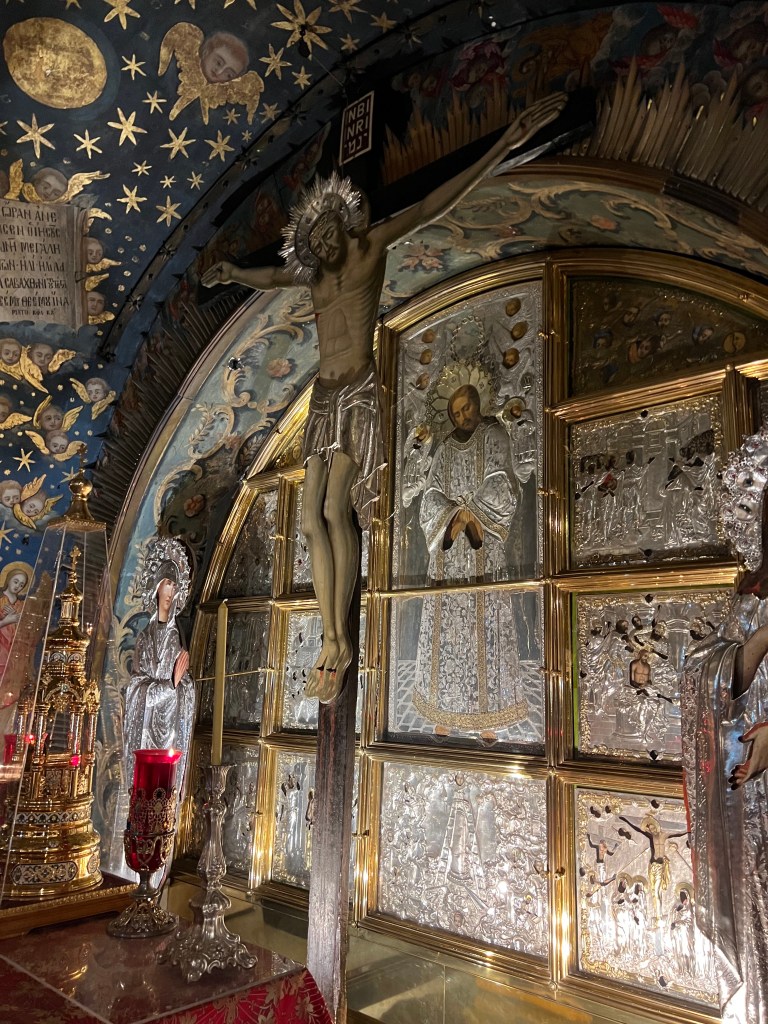
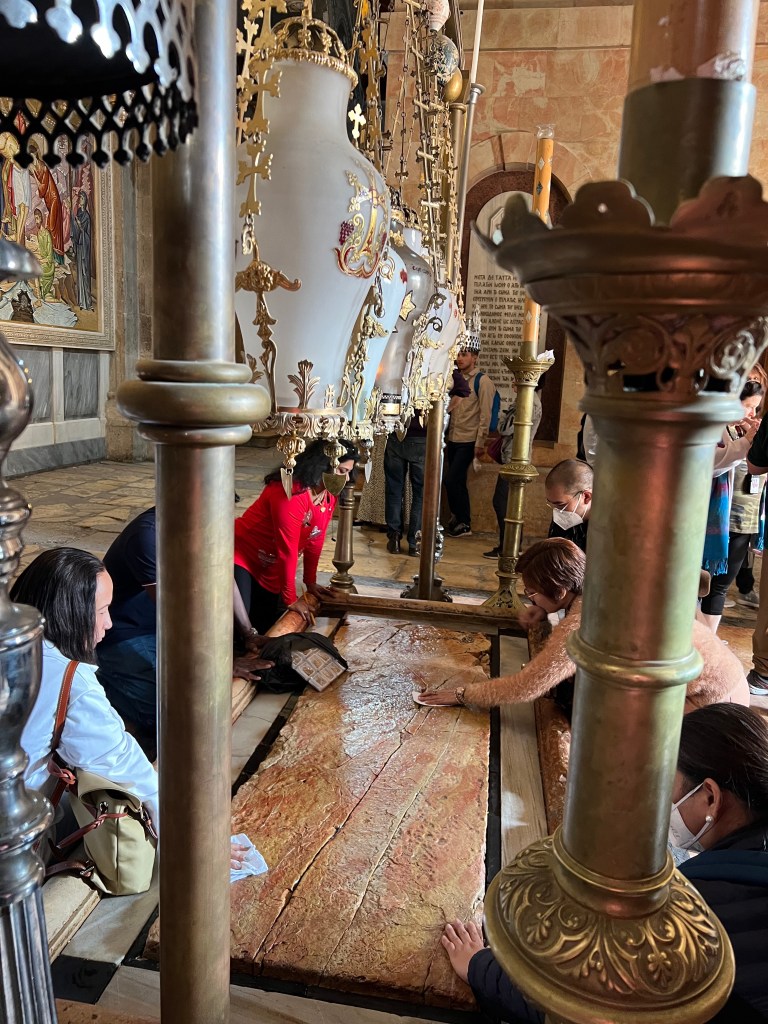
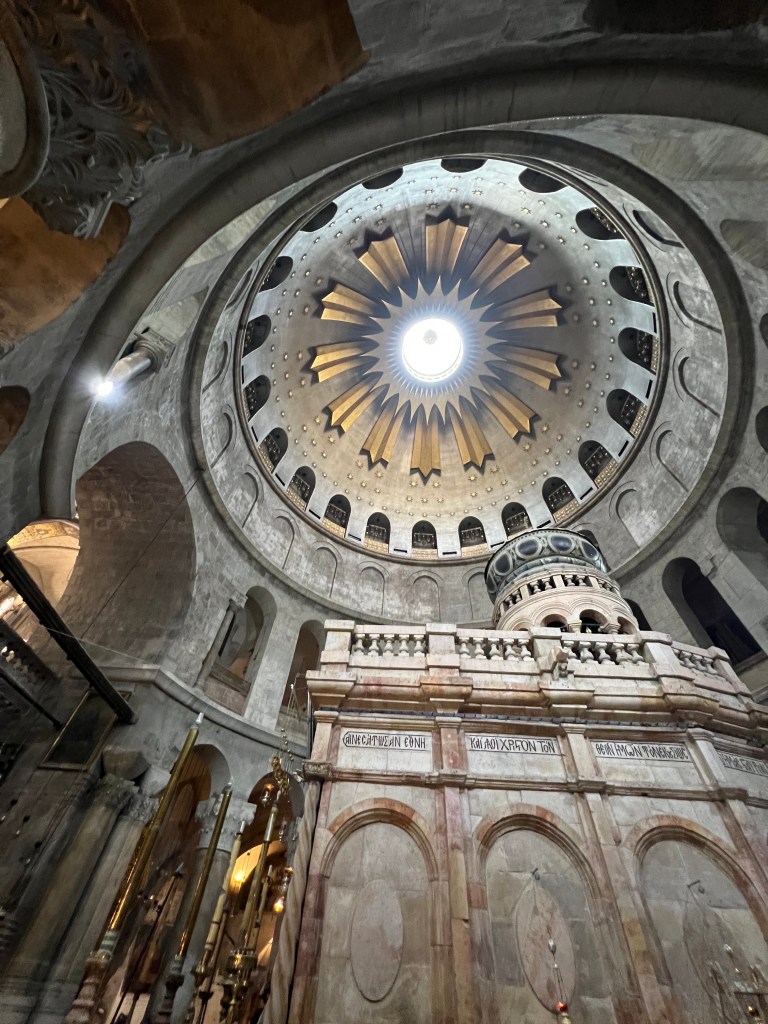
The description of this WHS states: “As a holy city for Judaism, Christianity and Islam, Jerusalem has always been of great symbolic importance. Among its 220 historic monuments, the Dome of the Rock stands out: built in the 7th century, it is decorated with beautiful geometric and floral motifs. It is recognized by all three religions as the site of Abraham’s sacrifice. The Wailing Wall delimits the quarters of the different religious communities, while the Resurrection rotunda in the Church of the Holy Sepulchre houses Christ’s tomb).”
The description is super nice and appealing. However, looking at the current state of the site, it is an emblem of contestation – especially if one digs deeper into the shared history of the three world religions which somehow is implicated in the political histories of Israel and Palestine as nation-states.
The other problem with sites of memory: “Such markings of the calendar, indicating moments of remembrance at particular places, can last for decades, or they can be abruptly halted. In most instances, the significance of sites of memory fades away with the passing of the social groups that initiated the practice” says Jay Winters in his book Memory: Histories, Theories, Debates (Fordham University, 2010). In other words, they are markers of history but the marking is often very tentative and confusing, depending on the social group or the authorities who dominate the construction of the site as a memorial.
Going back to the site and the commemorative act performed by our group, I can attest that the performance really aided in linking the space with a historical past (whether that past is imagined or based on actual physical evidence). Without the performance, and of course the authoritative inscriptions of the historians, archaeologists, and anthropologists, I do not think the old walls would have the same impact as how it is conceived today by the Catholics, the Christians, the Muslims, and the Jews.
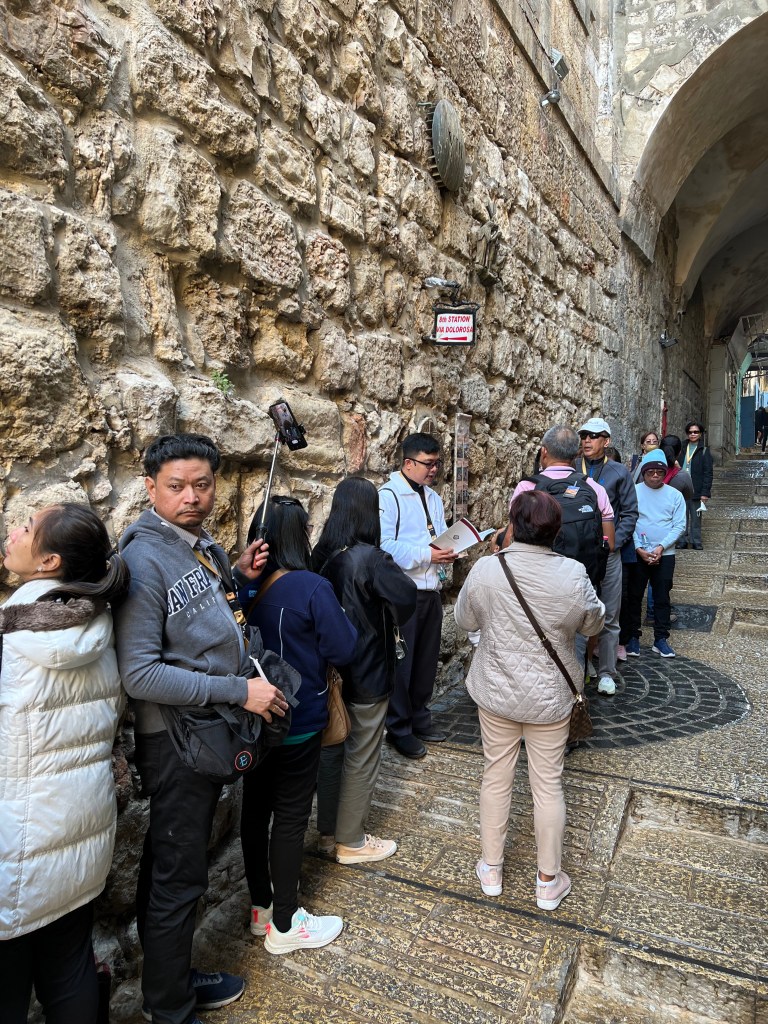
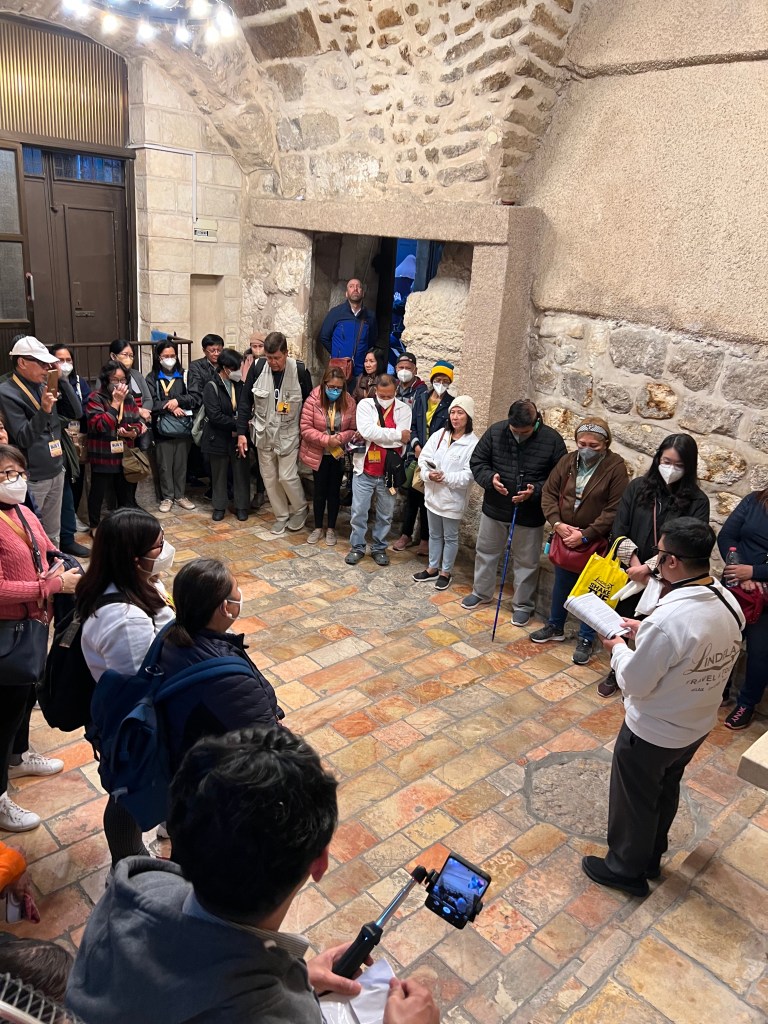

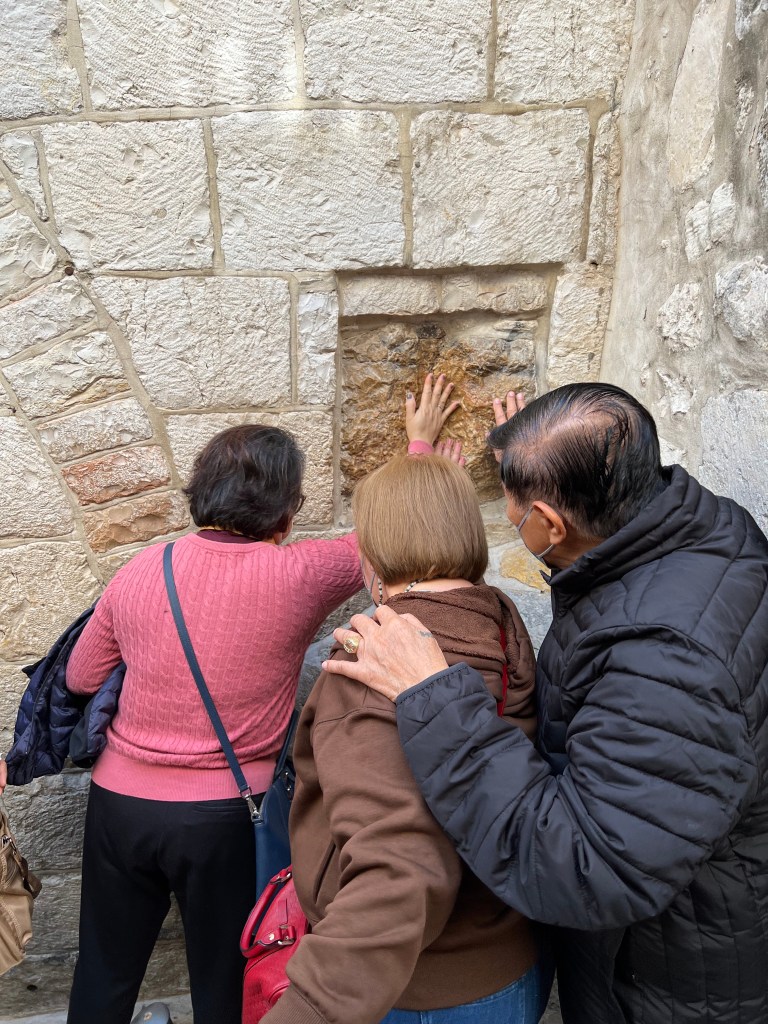
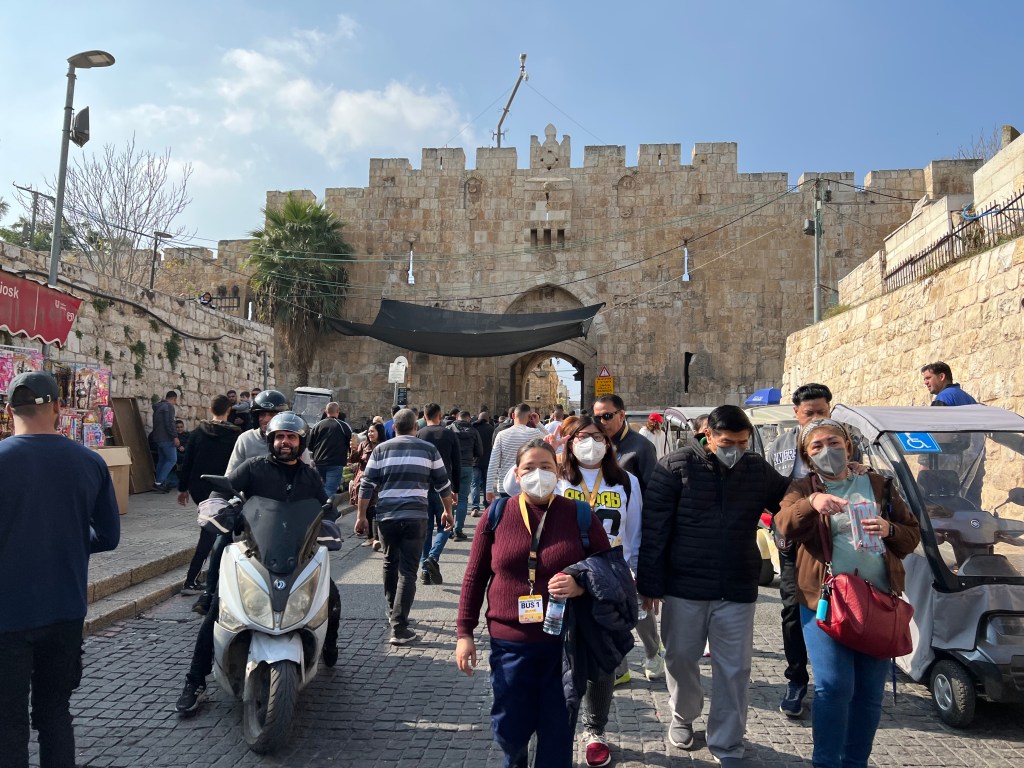
Although the walk was contemplative on my part, there was a distraction: the way of the cross prayed by our group was inverted. Our guide suggested that we start from the last station going to the first to avoid the rowdy crowd in the Holy Sepulcher Church. I found this ridiculous at first but I thought of its practicality as we walked the way of the cross. We were among the early ones in the Church and as we proceeded the walk, we were greeted by similar enthusiastic crowd (also devotees) who were on their way to the Church, who I assumed to be flocking there.
I end this post by citing a stanza from Superstar, from my favorite megamusical Jesus Christ Superstar:
You’d have managed better
If you’d had it planned
Now why’d you choose such a backward time
And such a strange land?
Poor Jerusalem, it is a celebrated sanctuary but it is also a reason for many conflicts.
 Tanghal Kultura