Early this year, I saw an announcement on social media that the Corregidor Island and the other surrounding fortifications along Manila Bay are collectively identified as a potential World Heritage Site (WHS): Corregidor Island and Historic Fortifications of Manila Bay. Interestingly, a few years back, I was wondering why Corregidor was not even considered as an important site of cultural treasure. My musing was based on various photographs of people who visited the island and other vlogs by popular entertainers or personalities, particularly that of Drew Arellano. The impact of these visual references was too amazing, that the announcement was not even intriguing on my part.
According to the UNESCO website, the first consideration (or criteria) for Corregidor to eventually make it to the list is for bearing an outstanding example of a “fortified island and military architecture and planning for an island and sea fortification, among the most heavily fortified islands in the world, but with modern comforts and amenities.” (UNESCO WHS Website). Second, the island of Corregidor, according to the same dossier, was of strategic importance in “providing continued security for the Galleon Trade along with protecting the Spanish government in Manila. This fortification allowed the continuous facilitation of cultural, technological, and intellectual exchanges, diaspora, and dispersal of floras, among others during the two and a half centuries of the Manila Galleon Trade.” (UNESCO WHS Website).
On 10 March 2024, I finally had a chance to see the island.

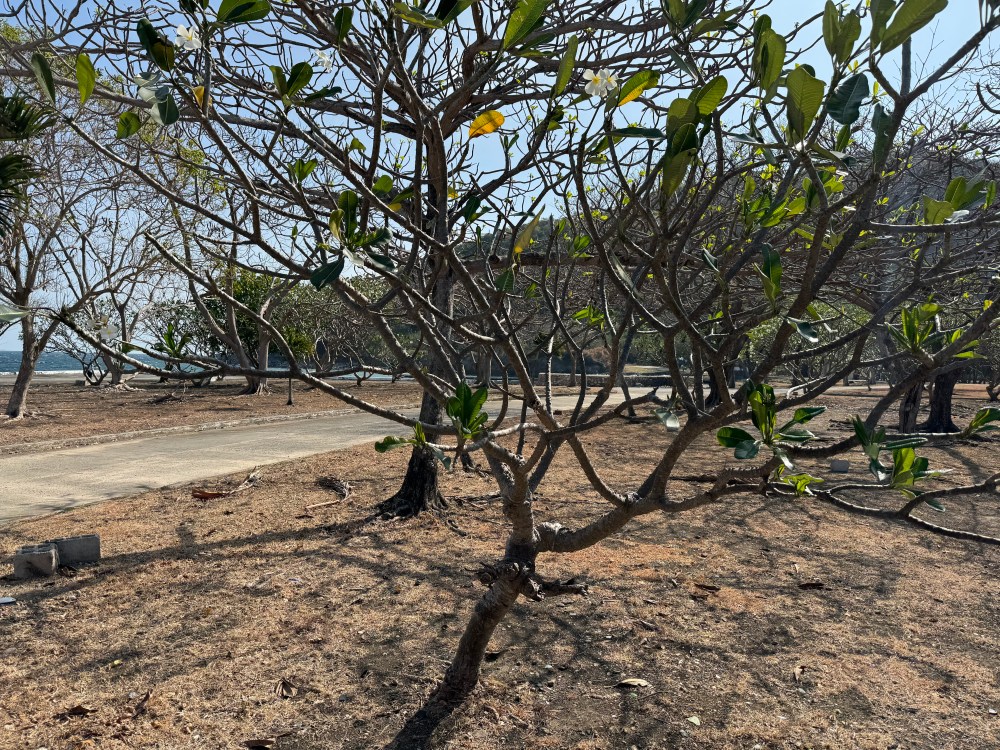
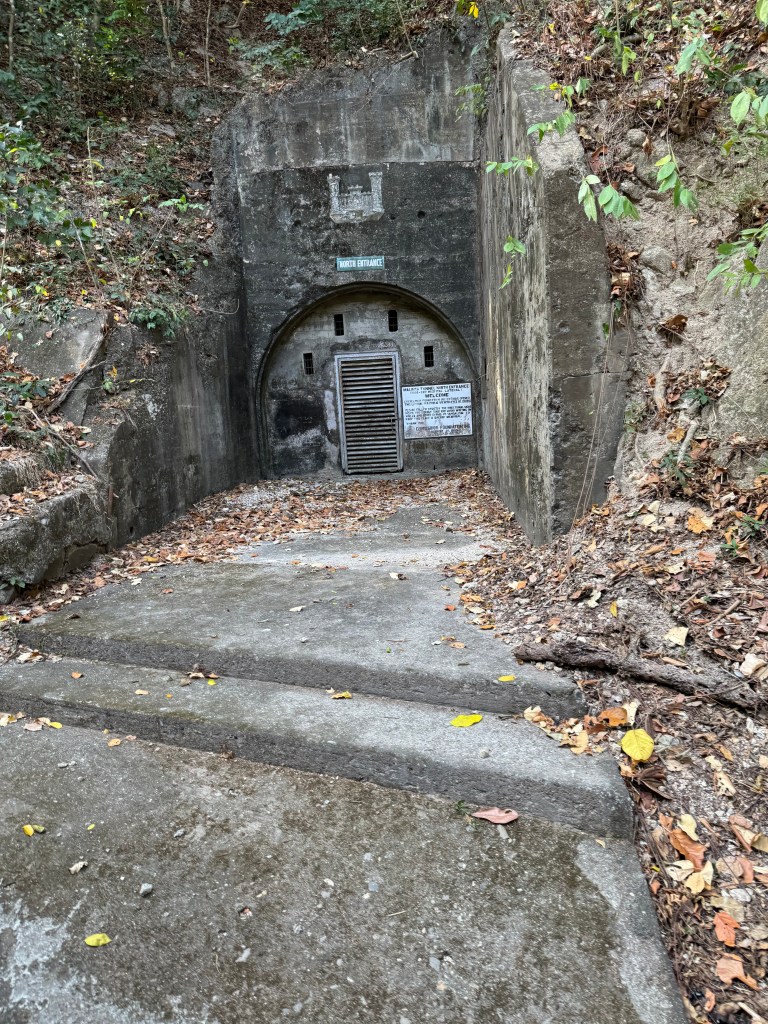
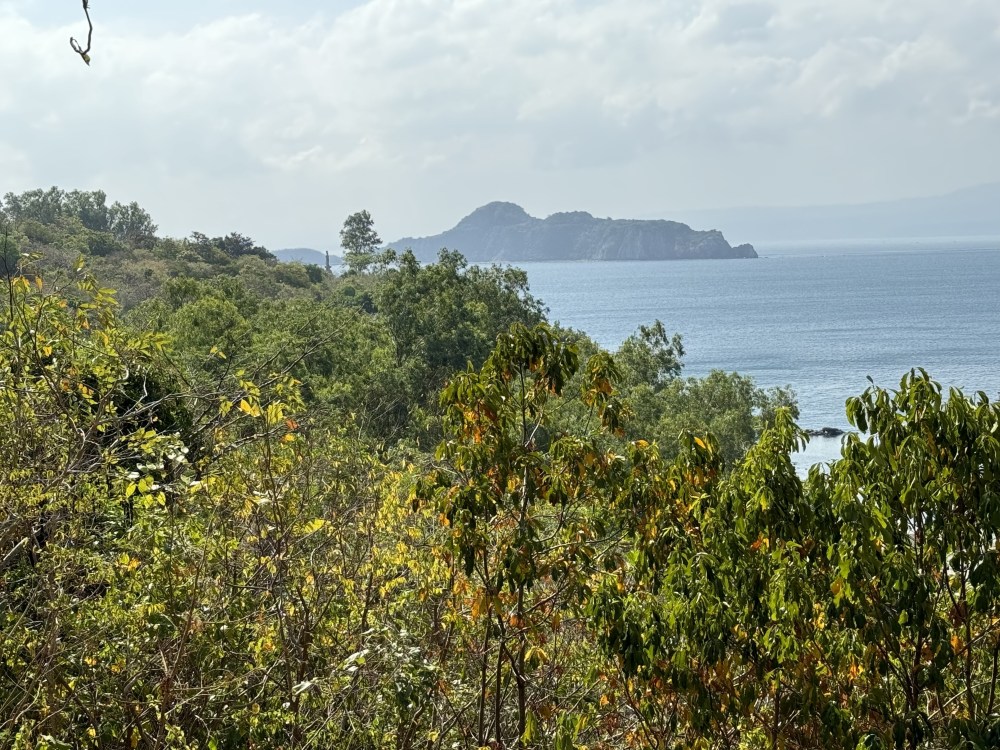
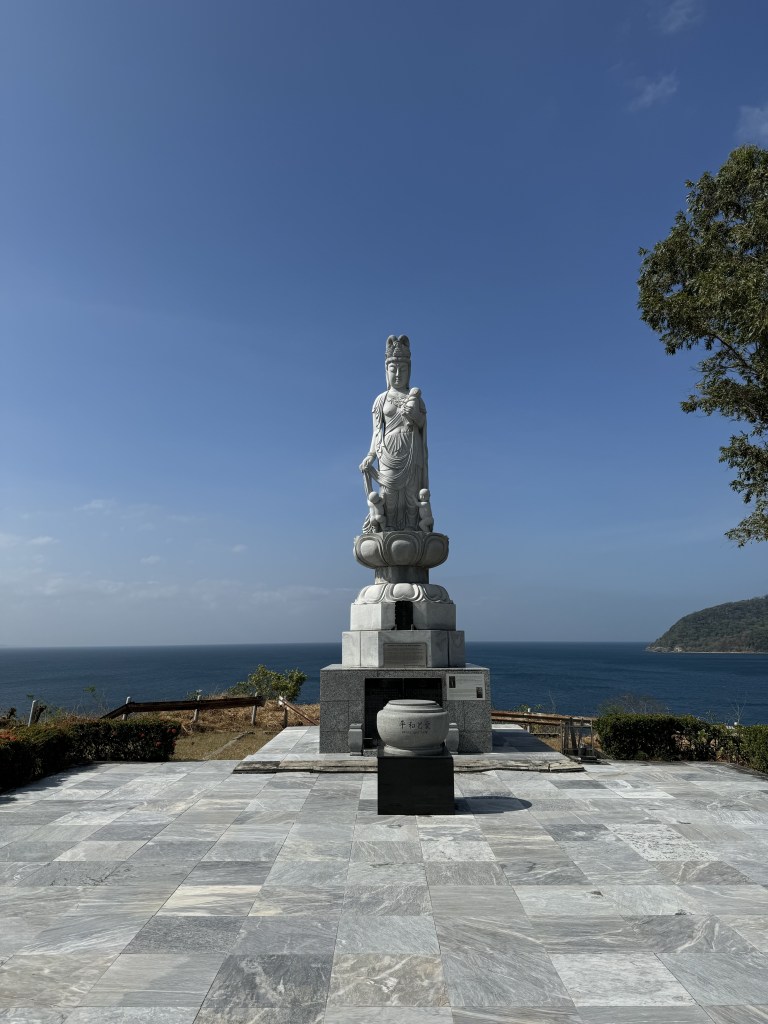
This semester, I was assigned to teach Perf. Stud. 311 Performance, Heritage, and Cultural Memory. It was not my first time to handle the course. However, it was my first time to handle it after the World Health Organization declared that the pandemic caused by COVID-19 is finally over.
One of the topics / subjects discussed in the course is the relationship of performance and space. In this topic, the class reflects on the performativity and the politics of space in relation to performance, cultural memory, and heritage. When the course was designed, the Corregidor Island was an identified site for discussion. (During the pandemic, most students were familiar with Intramuros, hence, the alternative example for discussion).
In my first year of teaching the course, the restriction was the pandemic. This time, the restriction was the fee. My class did not almost make it to Corregidor. I am glad we found ways to save some money and pushed through with the visit.
In 2018, when my Department hosted the First Transregional Conference of the International Federation for Theatre Research, a tour to Corregidor was one of the three social programs (excursions) the Department identified. I was not assigned to assist the group visiting Corregidor. I was assigned to assist our visitors who opted to stay in Manila and experience another fortified historical city: Intramuros or the Historic City of Manila, which apparently is also in the new list of Philippines’ Tentative List for the UNESCO WHS identified as: Colonial Urban Plan and the Fortifications of the Walled City of Manila.
At that time, the rate for a day-tour in the island was only PhP 1,500.00 (approximately, 30 USD). Currently, a day-tour to Corregidor via the same company we approached in 2018 is PhP 4,500.00 (approximately 80 USD). There is a 300% increase. The company explained, pre-pandemic, day-tours to Corregidor from Manila were scheduled on a daily basis. At the same time, Corregidor, at that time, was managed by a private foundation who was in partnership with the national administration. This time, even if everything seems to have returned to normal, only a day-tour from Manila per week is accommodated. A guided day-tour to the island is scheduled every Sunday. The national government is still looking for a concessionaire, willing to take over the management of the island. Not to mention, the previous management sold some assets, including the trams used to tour the island. Today, only three trams remain in the island. Each tram is able to accommodate up to 60 tourists only.
The other option to visit Corregidor on a different day is through Bataan via a smaller boat that can accommodate six individuals per trip. While this is definitely a cheaper option (we were told a boat costs PhP 1,500.00 one way trip), some inclusions in the Sunday tour are not applicable in this option: no lunch, no guided tour, no trams, and museums are not free. The only way to see the island was through biking. Rental per bike is on an hour basis. At the same time, a group or an individual is not allowed to stroll without a certified tour guide. There is no guarantee a tour guide is available upon arrival outside Sunday.
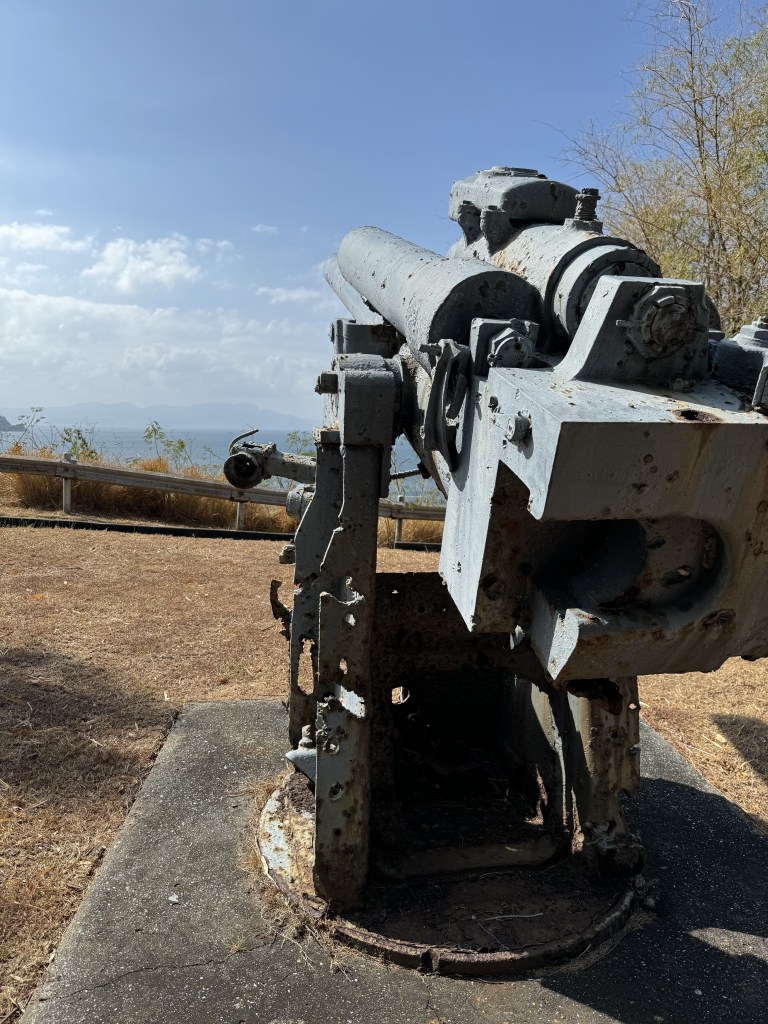
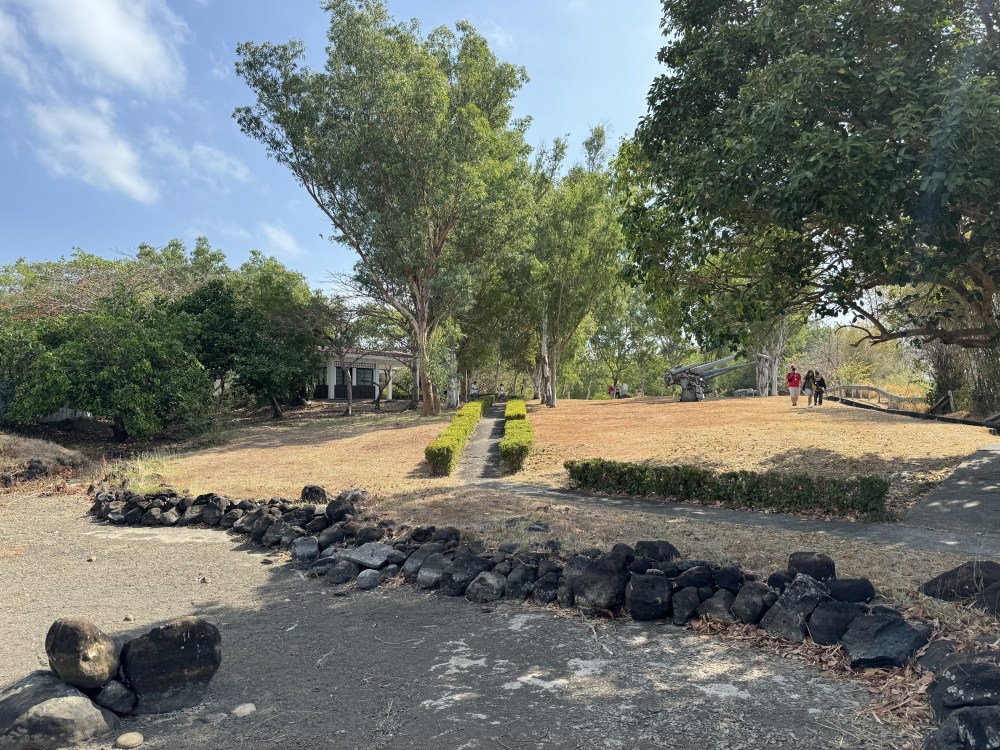
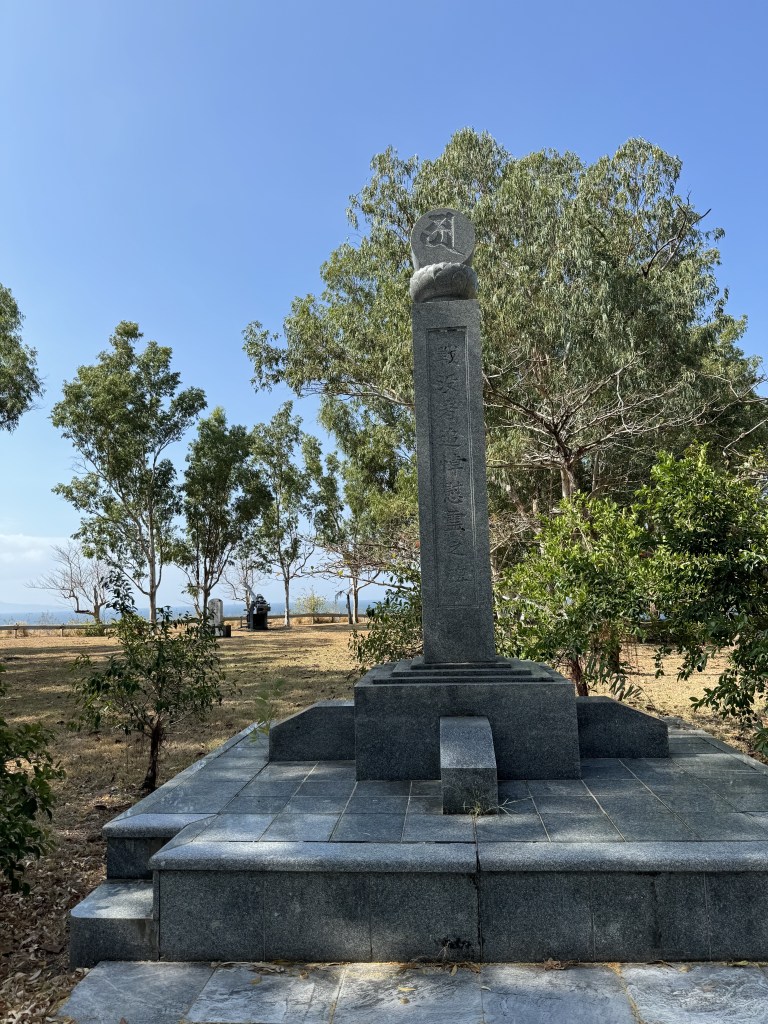
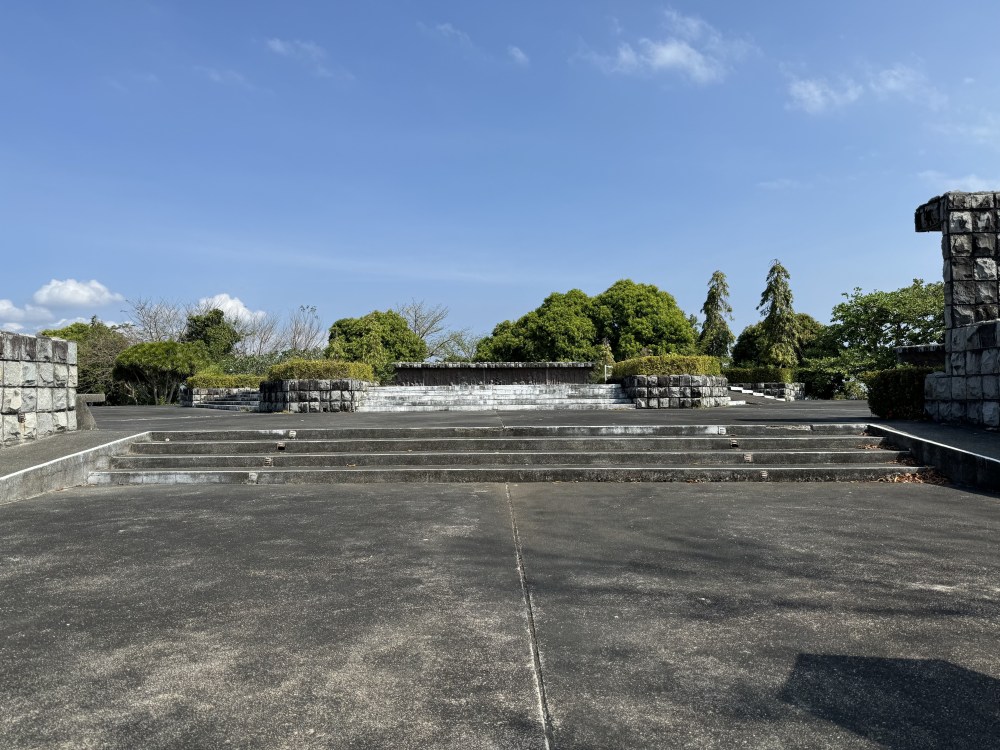
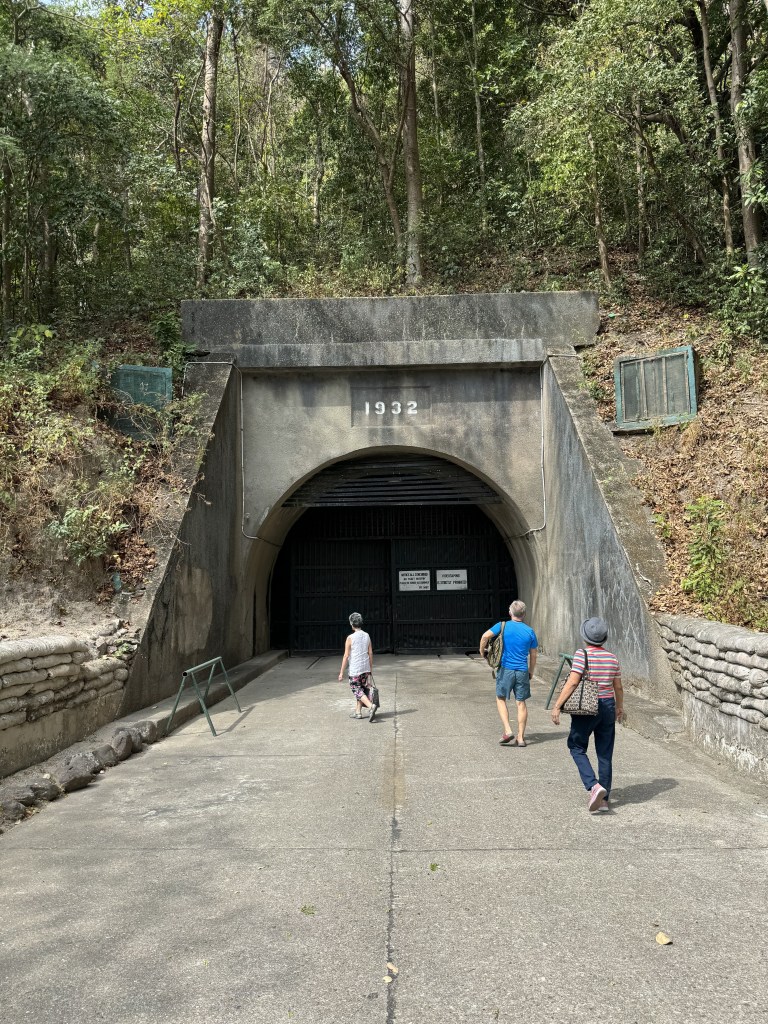
My students and I arrived at the island via a ferry boat from the Esplanade Seaside Terminal near the Mall of Asia in Pasay City. It was a little closer to 10 AM when we were asked to transfer from the boat to the tram.
We were greeted enthusiastically by our tour guide, Kuya Willie whose first order of the day was to remind us to bring with us our litter. The people on the island needed help, as there were only about 30 individuals residing in the 5.5 square kilometer island who tirelessly dedicated themselves to cleaning, maintaining and welcoming people. He narrated some trivia and explained some interesting facts before the tram drove to our route. For instance, it was interesting that the locals see the shape of the island as similar to the sperm – but modestly said: “we think of the shape as a tadpole.” He also explained the strategic geographic location of the island, which made intruders difficult to enter the capital city and the main island of Luzon.
As we drove to our first stop, we passed by a statue, which Kuya Willie jokingly addressed as his great-great-great uncle: “to your right is my great-great-great uncle who is saying hello to everyone. Hello, Tito Douglas MacArthur.”
In my next post, I will share some reflections about this familial assertion with MacArthur because all throughout the tour, Kuya Willie constantly pulled and pushed MacArthur and anything related to him to the narrative of the space. I sensed that even if the invocations were humorously quipped, there was a poignant and utopian sense of belongingness to an imagined United States in Kuya Will’s story-telling and the performativity of the space as a heritage site is indicative of a cultural memory that displaces a decolonized conception of history in relation to the space,
 Tanghal Kultura