
Ghana is a rising tourist destination in West Africa. According to its Tourism Department, foreign tourists come to this African nation to enjoy its all-year-round tropical warm climate and the wildlife, particularly the spectacular natural parks and natural reserves. However, tourists also come to Ghana to experience the historical castles and forts along the coastal areas of Accra, Volta, Central Region, and Cape Coast. Several tourists from Europe and the Americas are interested on these infamous cultural structures because their ancestors stepped foot on them before “migrating” to these continents. The visits of most of these tourists have nothing to do with appreciation of cultural heritage. Their visits are very personal. They commemorate and celebrate the dead by remembering their ancestors. Their ancestors were tortured. Their ancestors were treated inhumanely during the so called Transatlantic Slave Trade.
In a previous post, I already talked about my encounter at Ussher and Jamestown Forts in Accra. The visit to these sites paved the way for me to really think of a very difficult question: have we really learned from this dark history of humanity? The encounter at these forts made me realize how terrible life was for Africans during the eras of imperial power from the 15th to early 20th century. Just imagine, the whole human slave history didn’t end until the 20th century, and yet, the present is just the beginning of the 21st century. It is like the Transatlantic Slave Trade just ended yesterday. Understandably, the pain, the terror, the anguish, and the sorrow of the African communities are fresh wounds in humankind’s history.
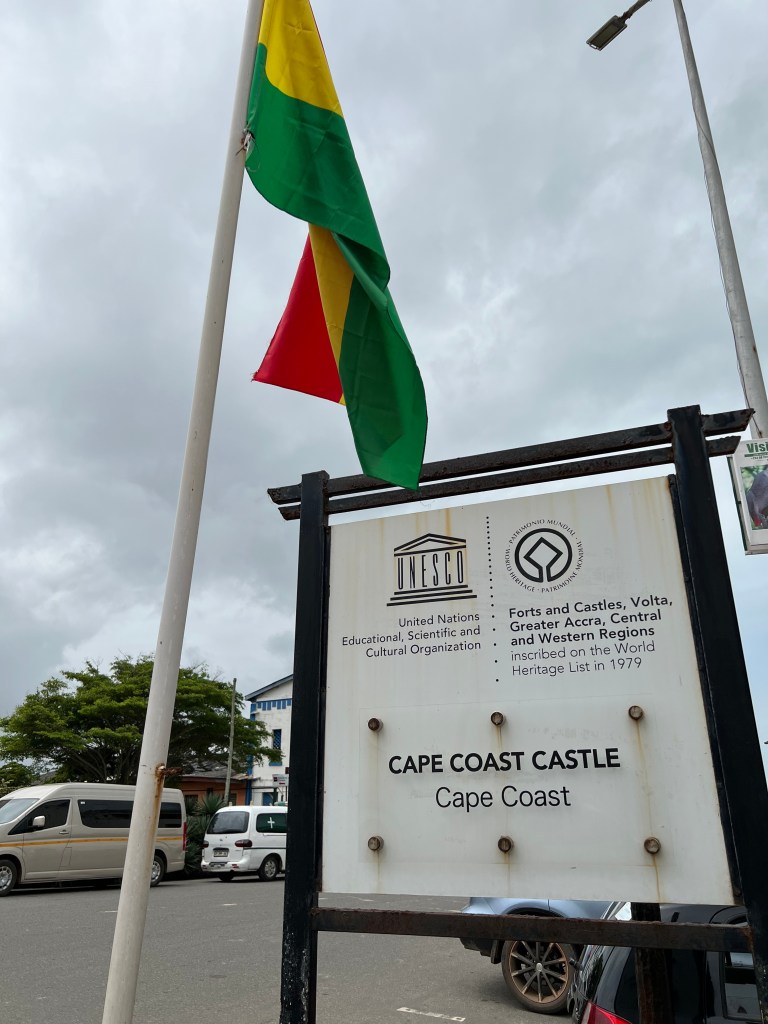
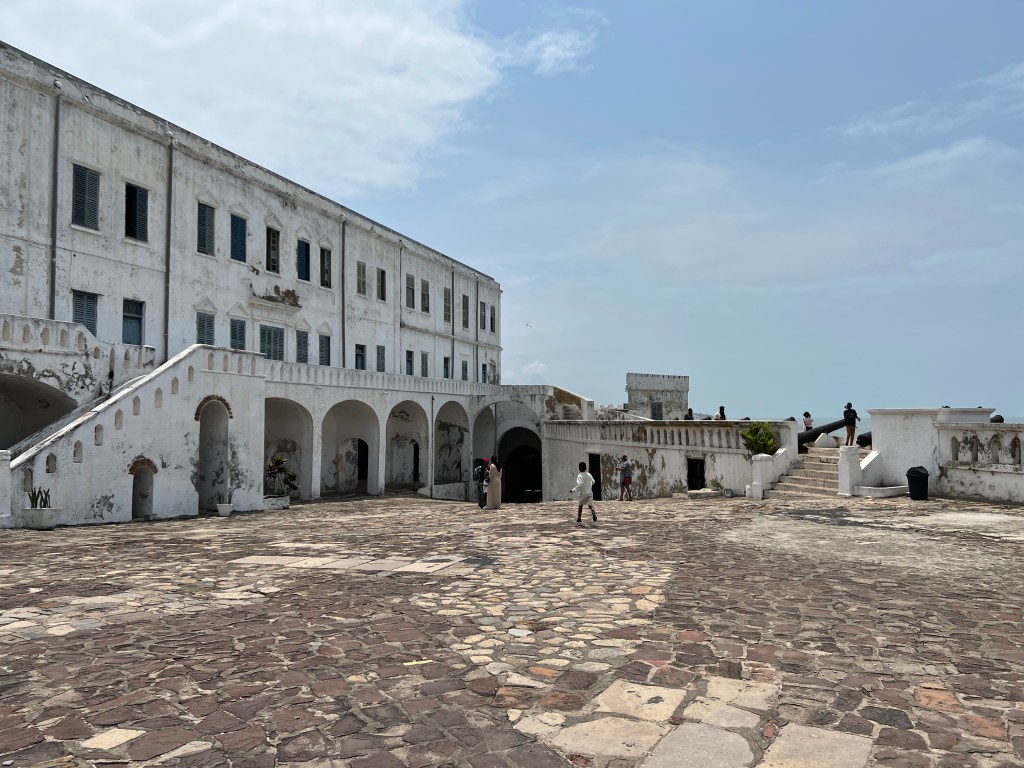
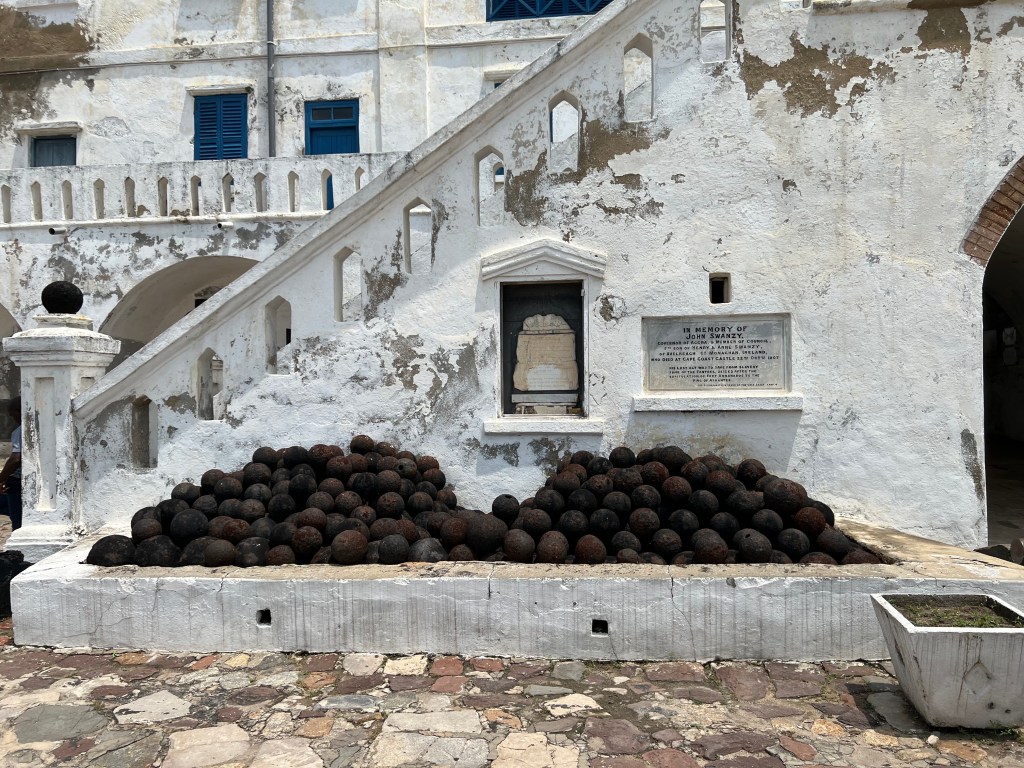
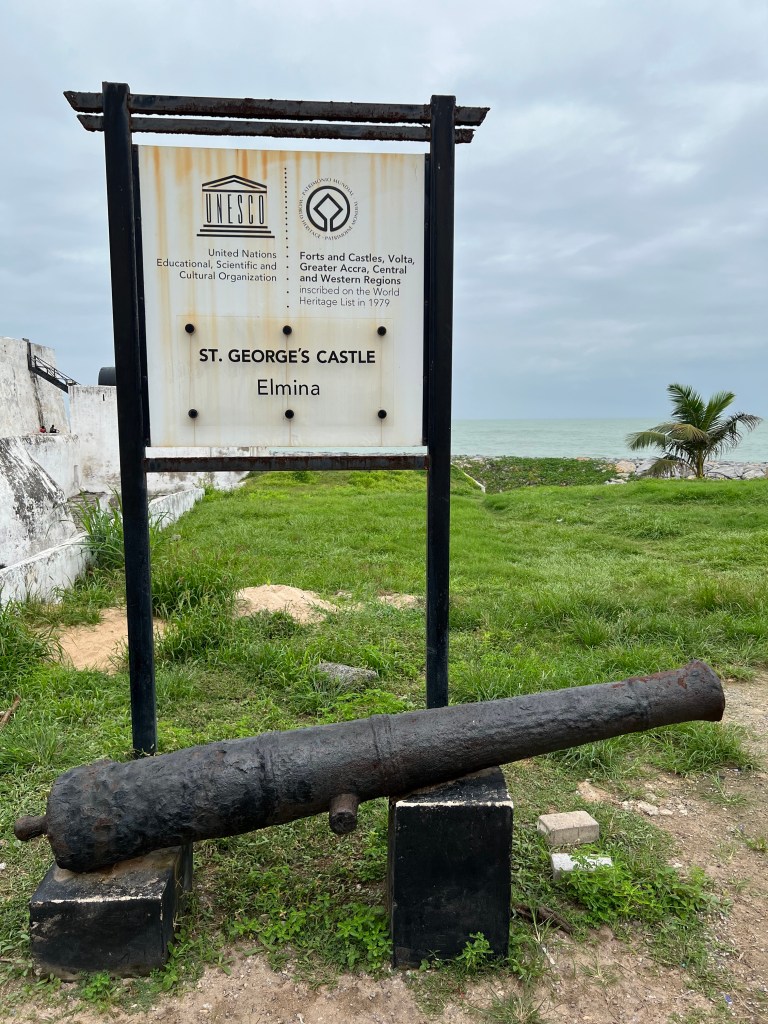
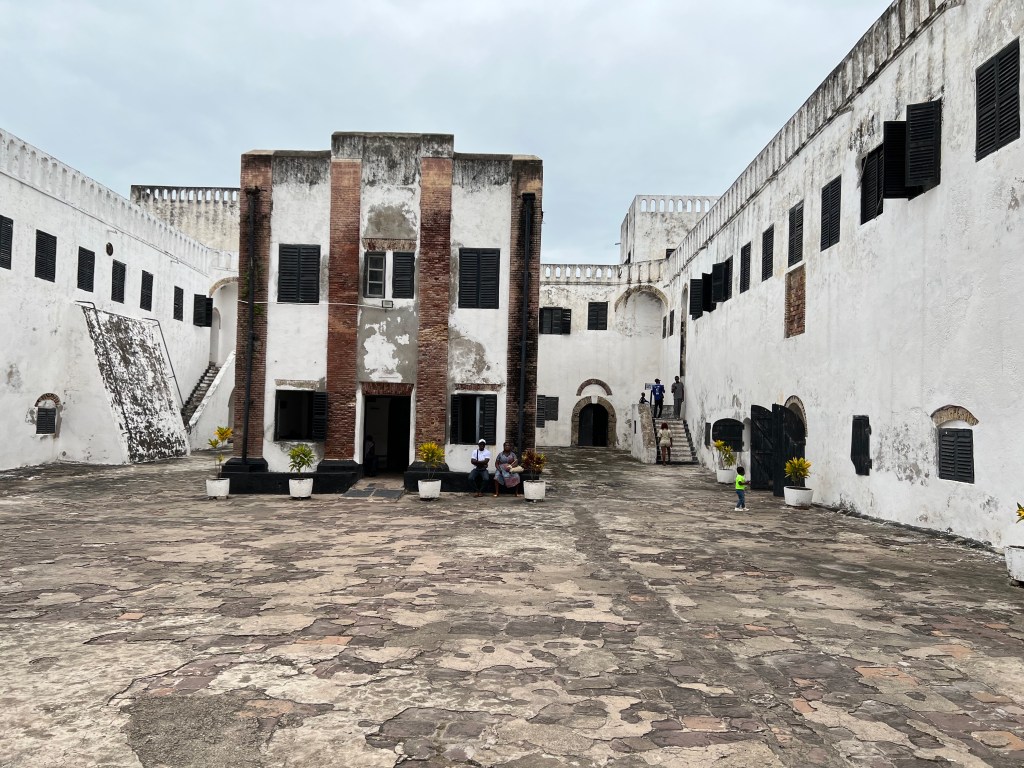
About Three hours drive to the west of Accra is Cape Coast, a fishing port city, and the capital of Ghana’s Central Region. The City of Cape Coast is home to Cape Coast Castle and Elmina Castle (or St. George Castle). The castles were originally constructed by the Portuguese as trade centers because of the large quantity of gold dust found in Ghana. At first, the natives were the constant trading partners of these Europeans. Eventually, something happened in the course of history
“The actual motivation for European expansion and for navigational breakthroughs was little more than to exploit the opportunity for immediate profits made by raiding and the seizure or purchase of trade commodities” said historian John Thornton. Among the commodities that Europeans exploited beginning the early 15th century were enslaved humans from West and Central Africa. Because of the demand for slaves, these castles were transformed into marketplaces of enslaved Africans.
This inhuman trade involved the transportation by European traders of enslaved people who were considered to be inferiors because of their skin color (black). These people were mainly sent to the Americas: the Caribbean and Southern part of the United States. The vast majority of those who were transported as slaves were sold to mainly Portuguese, British, Spanish, Dutch, and French traders. European slave traders gathered and imprisoned the enslaved Africans at forts and on these forts and castles before bringing them to Europe and the Americas.
This slave system has a huge impact on the present. The notion that people, whose origin is Africa, are inferiors, is a long-lasting effect of this inhuman system. In fact, one can argue that this is part of the historical development of racism, which is still unjustly performed everywhere in the world. Political activist Walter Rodney in his book How Europe Underdeveloped Africa remarked “the role of slavery in promoting racist prejudice and ideology has been carefully studied in certain situations, especially in the USA. The simple fact is that no people can enslave another for four centuries without coming out with a notion of superiority, and when the colour and other physical traits of those peoples were quite different it was inevitable that the prejudice should take a racist form.”
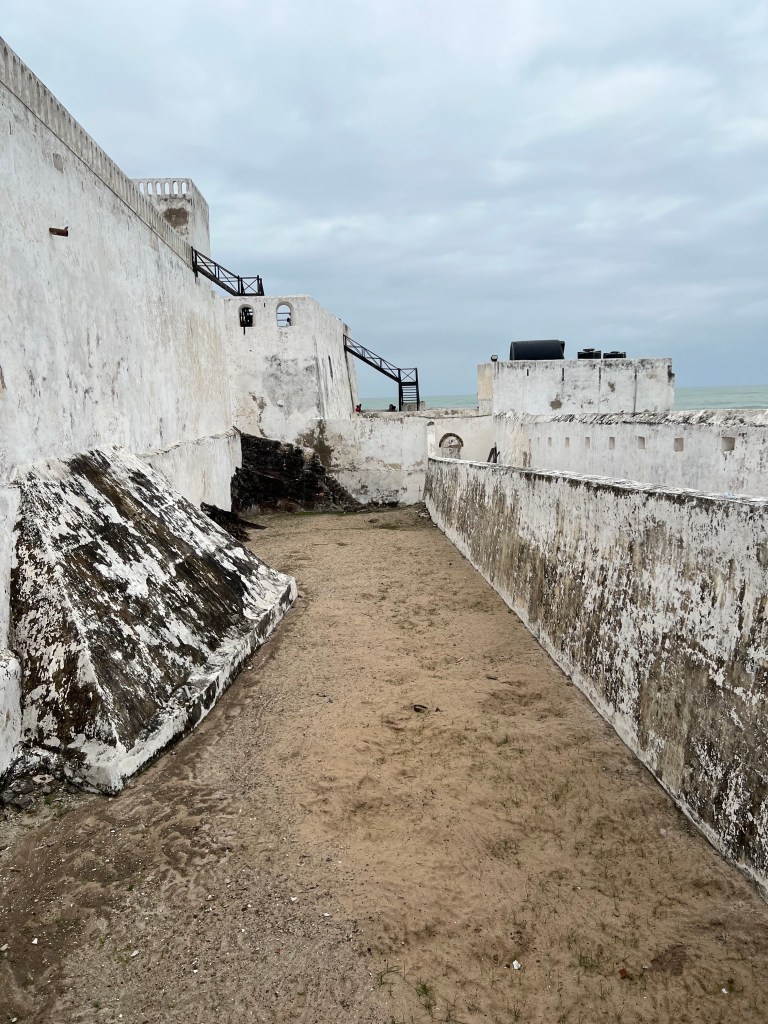
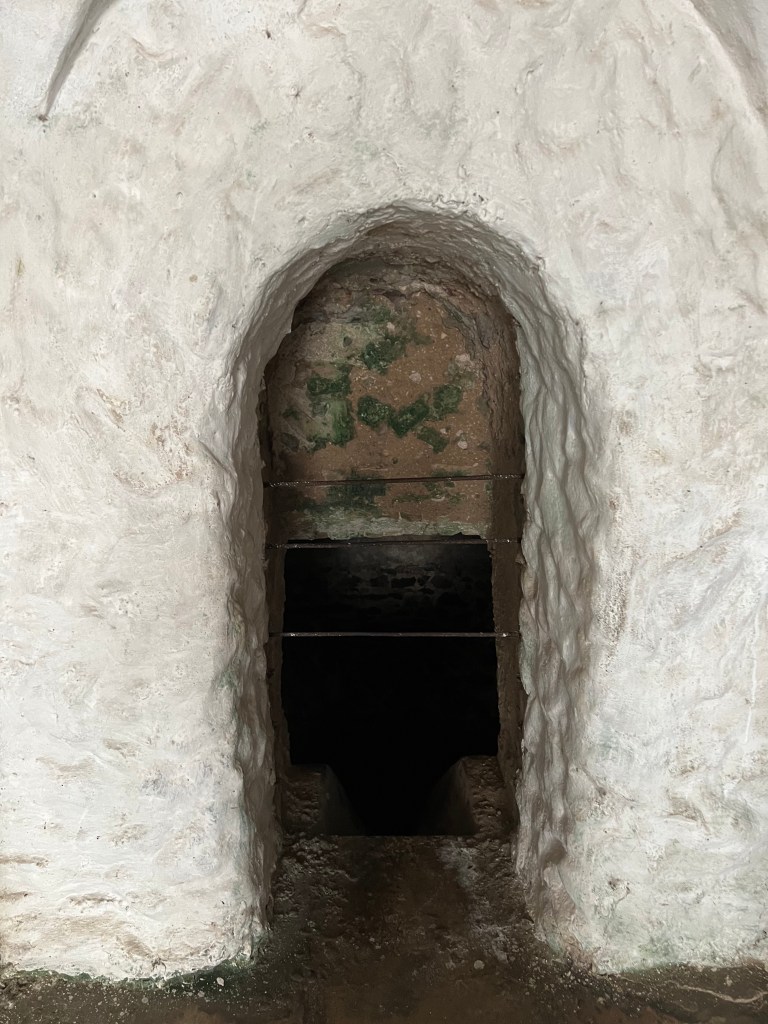
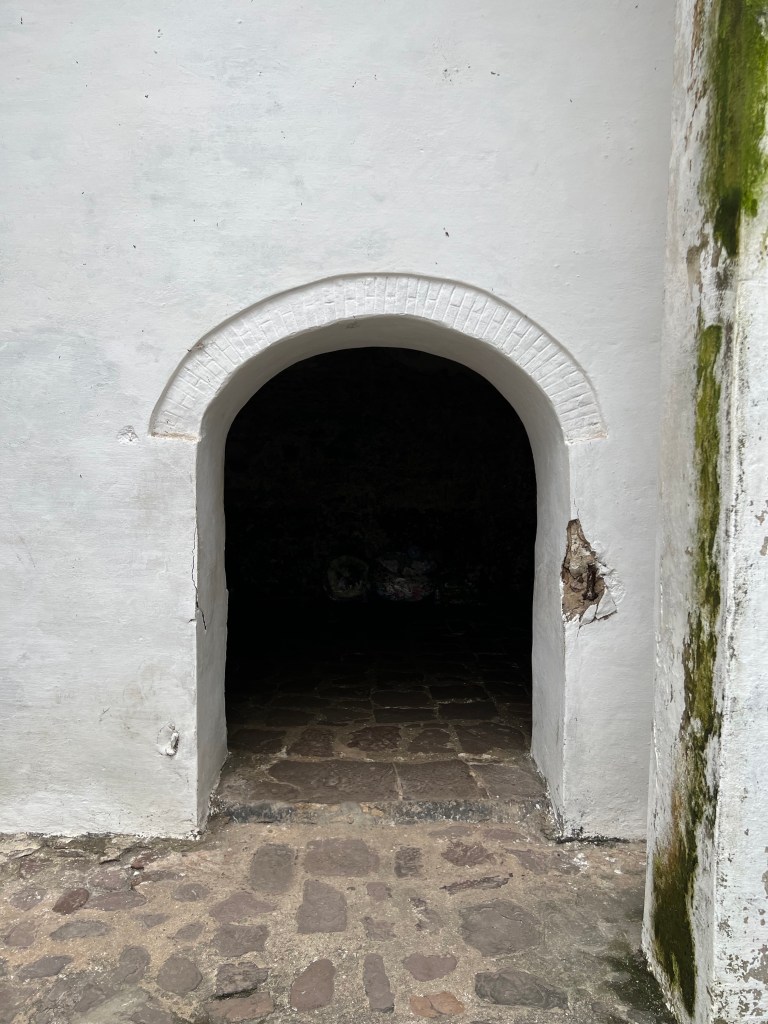
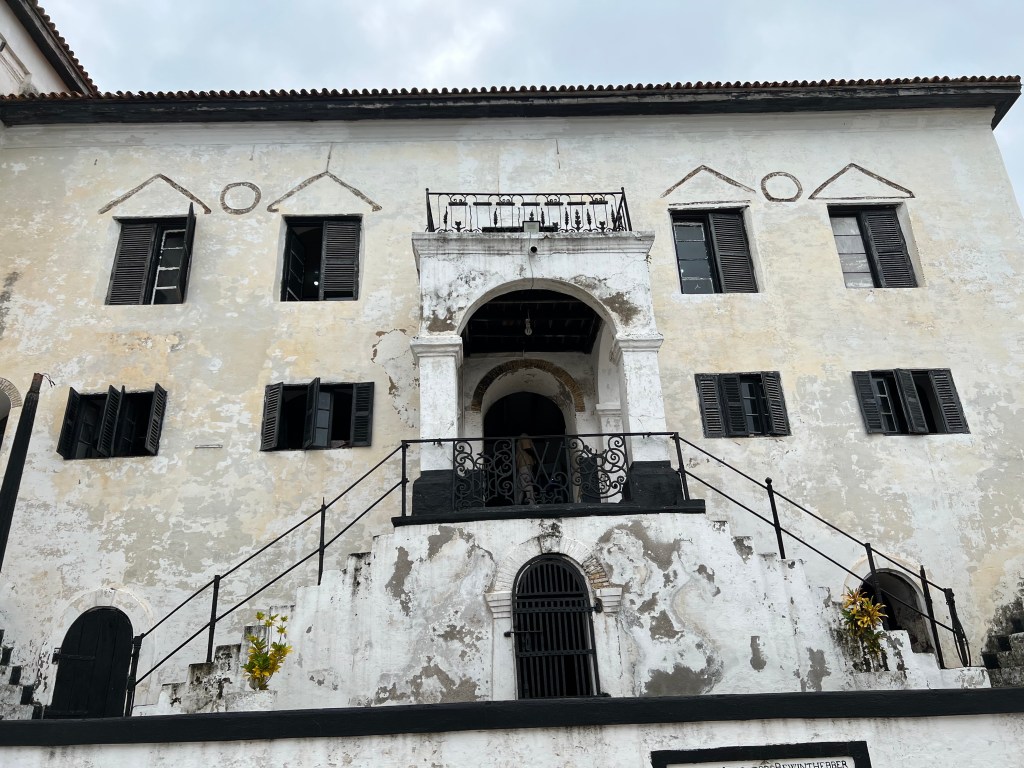
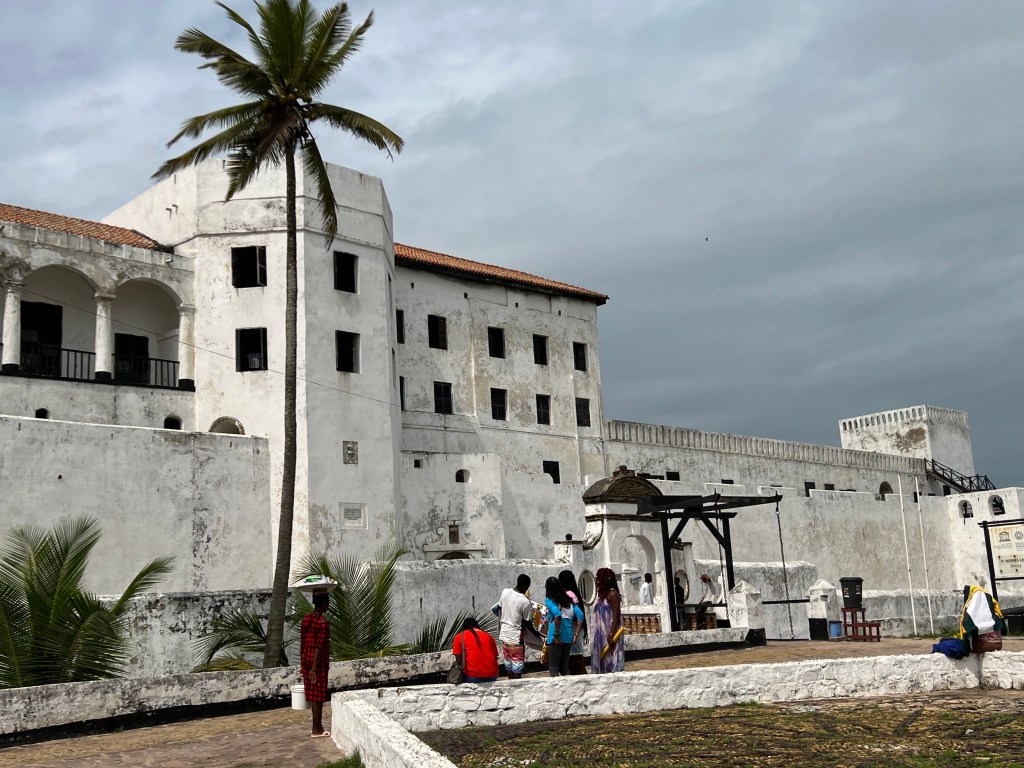
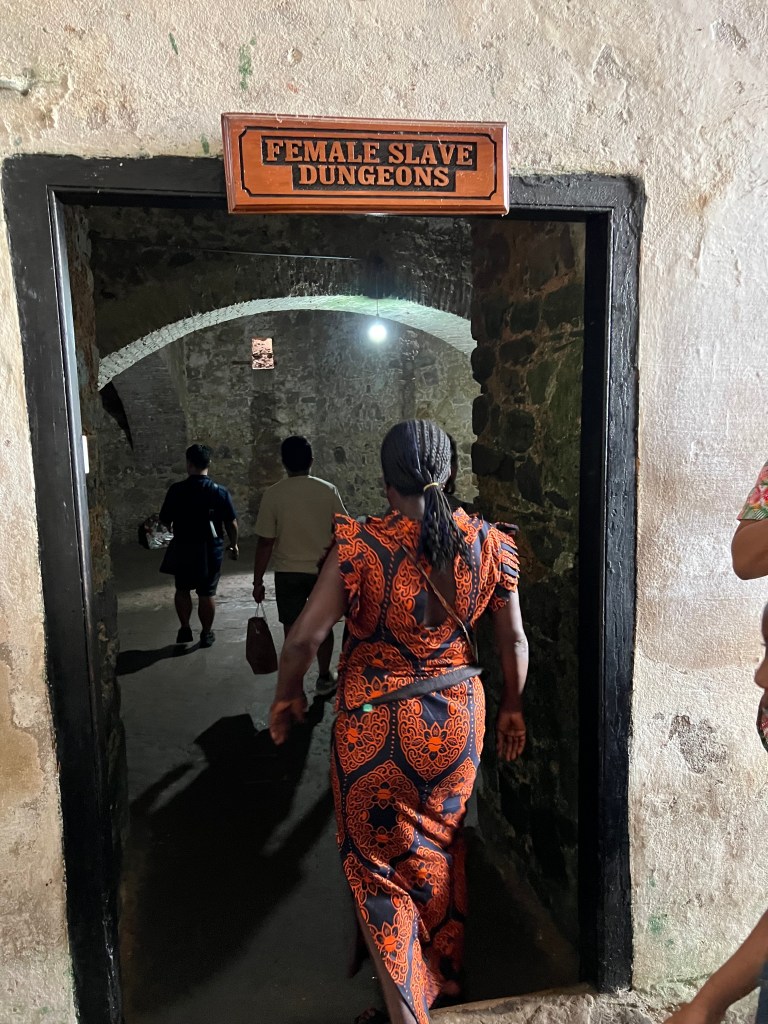
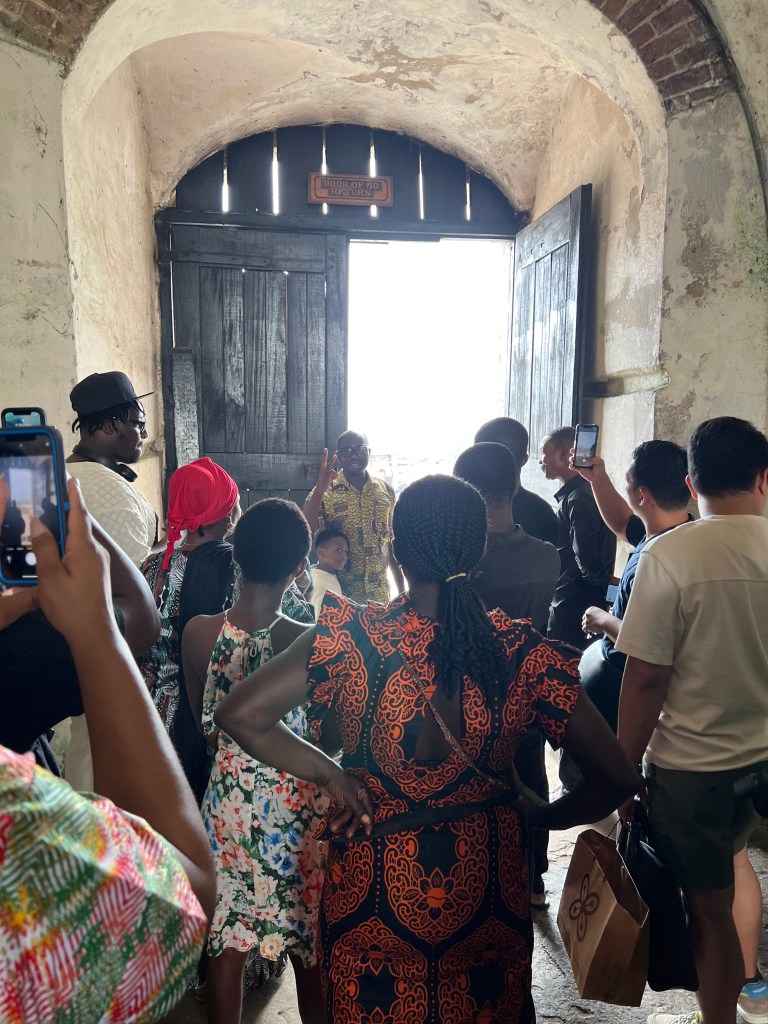
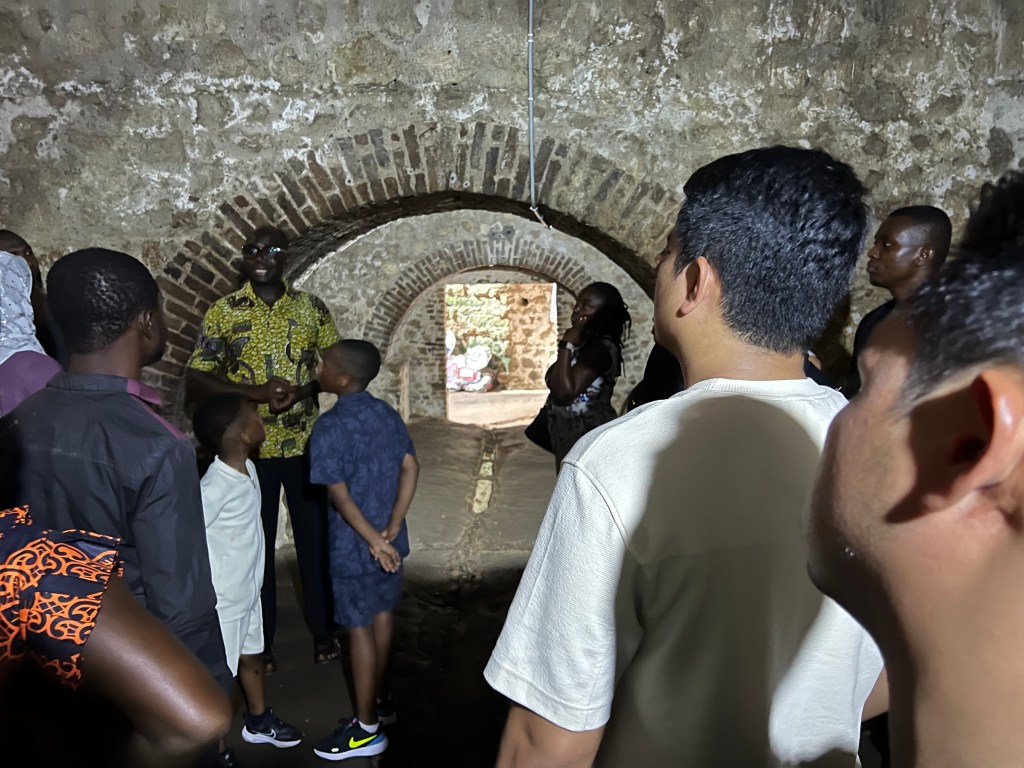
The inhuman conditions in the castles were formidably terrifying. Walking through the underground dungeons of both Cape Coast and Elmina, the spaces were breathing terror, welcoming death, and embracing darkness. When compared to the European quarters above the dungeons, these quarters were relatively luxurious. The basements of these fortresses were the last memory the enslaved African had of their homeland before being shipped off across the Atlantic, as this signified the beginning of their long and treacherous journey. The moment they entered the tiny doors at the basements of these structures, there were no ways for these people to return to their homelands. This is the reason why these tiny doors were called the “doors of no return”, as a reference to the symbolic door that millions of Africans were pushed through when they entered a life of slavery through castles like Cape Coast and Elmina.
Flowers, waters and wreaths were all over the underground dungeons. At Cape Coast for instance, a visitor was even crying as she laid down some wreaths on one of the dungeons. This was her first time in Ghana. In fact, it was her first time in Africa. She was born and raised in the United States. She recently discovered one of her ancestors was sent to the Caribbean via the Trans-Atlantic Slave Trade. She was visiting Cape Coast because the registry in the United States pointed out that her great-great-great grandmother did not even make it on the boat. Her remains were never recovered. But the visitor was certain she died in the castle. This was her way to commemorate and remember that the spirit of her great-great-great grandmother would always be part of her being. This was also her way of commitment – a vow that this dark history will never be forgotten in order for it not to be repeated.
 Tanghal Kultura