November 2025 – I had the opportunity to visit the UNESCO Creative City and World Heritage Site of Tétuoan.
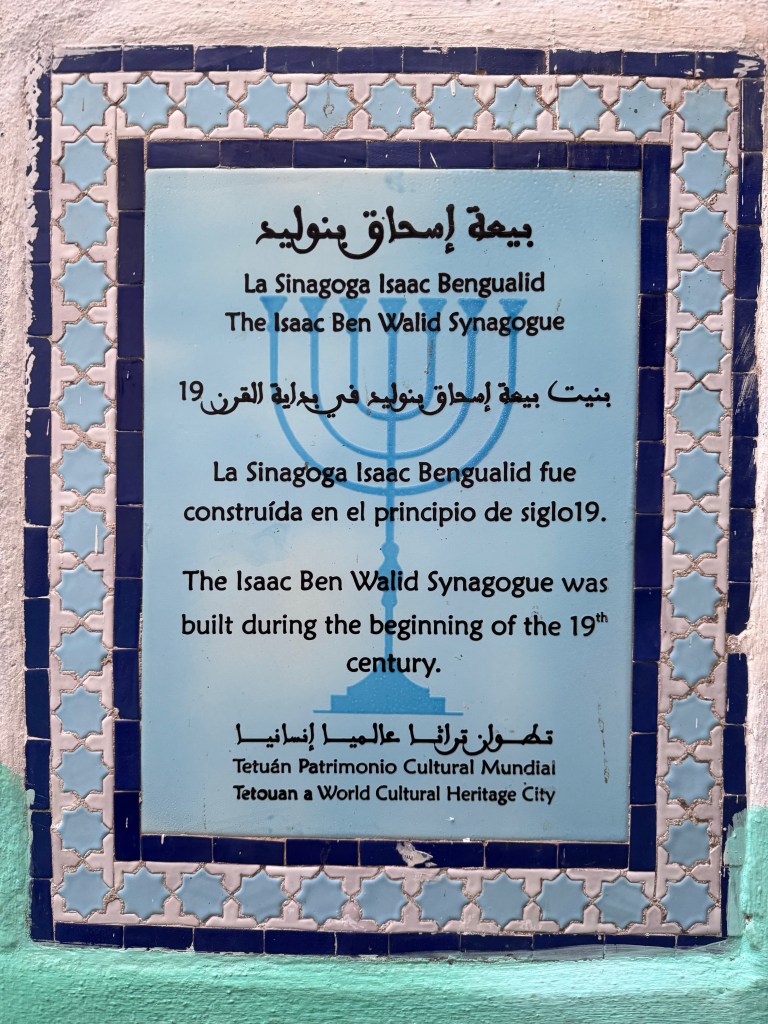
The story of Tétouan is tied to the narratives of the expelled Hispanic Jews in the 15th century. The largest influx of Jews to Africa came after a series of violent episodes against Jews during the Spanish Inquisition (1478–1834), a brutal judicial institution established by the Catholic Monarchs Ferdinand II and Isabella I to enforce religious orthodoxy and consolidate monarchical power. Targeting converted Jews (conversos), Muslims (Moriscos), and non-believers, the Inquisition used secret trials, torture, and widespread fear to eliminate “heresy,” conducting public auto-da-fé executions. The Inquisition’s power was solidified when Granada fell to the Catholic Monarchs. During that time, the Iberian Peninsula was Muslim, and non-Muslims were somehow tolerated, if not accepted. Sultan Boabdil’s surrender to the Christian-ruled monarchy ended the Islamic regime, and the witch hunt began, paving the way for non-Catholics, especially Jews, to cross the Strait of Gibraltar, the Mediterranean Sea, and the Atlantic to escape the ruthless hands of the Christianized regime. Many of these Sephardi Jews settled in North Africa, with Morocco as the primary hub for these refugees, and significant numbers settled in cities such as Fez, Marrakesh, Chefchaouen, and Tétouan.
Tétouan began as a Berber settlement originally called Tamuda. The settlement became an important trading post during the Phoenician civilization and, during the Roman Empire, an important city in the Roman province of Mauretania Tingitana. In the 13th century, Tamuda was Islamized: by 1286, a kasbah and a mosque were built, signifying the city’s transformation into an important settlement for Muslim travelers. These travelers mostly came from the Iberian Peninsula, particularly from Granada, which at that time was another important Islamic site. These people were trading partners of North African peoples, particularly the semi-nomadic population of Morocco.
Nonetheless, the period between the 13th and 15th centuries was also the age of great voyages and discoveries. Europeans were exploring the world for imperial expansion, and the terror of colonialism came to Morocco, particularly in important cities like Tétouan. As a result, the city lay in ruins for a long period of time until it was rebuilt by Sephardi Jews and Hispanic Muslims who left the Iberian Peninsula for fear of their lives due to the Spanish Inquisition.
The city was repopulated by these people, mostly from Granada. By the end of the fifteenth century, Tetouan had been rebuilt. These refugees, the Andalusi Moors, raised the walls and then filled the enclosure with houses. But they also came into conflict with the Jebala people. The new settlers sought the help of the Wattasid sultan for protection. In response, he sent 80 soldiers, and in turn the new settlers paid a large amount of precious metals, such as gold, and spices, such as saffron, thus insuring their autonomy.
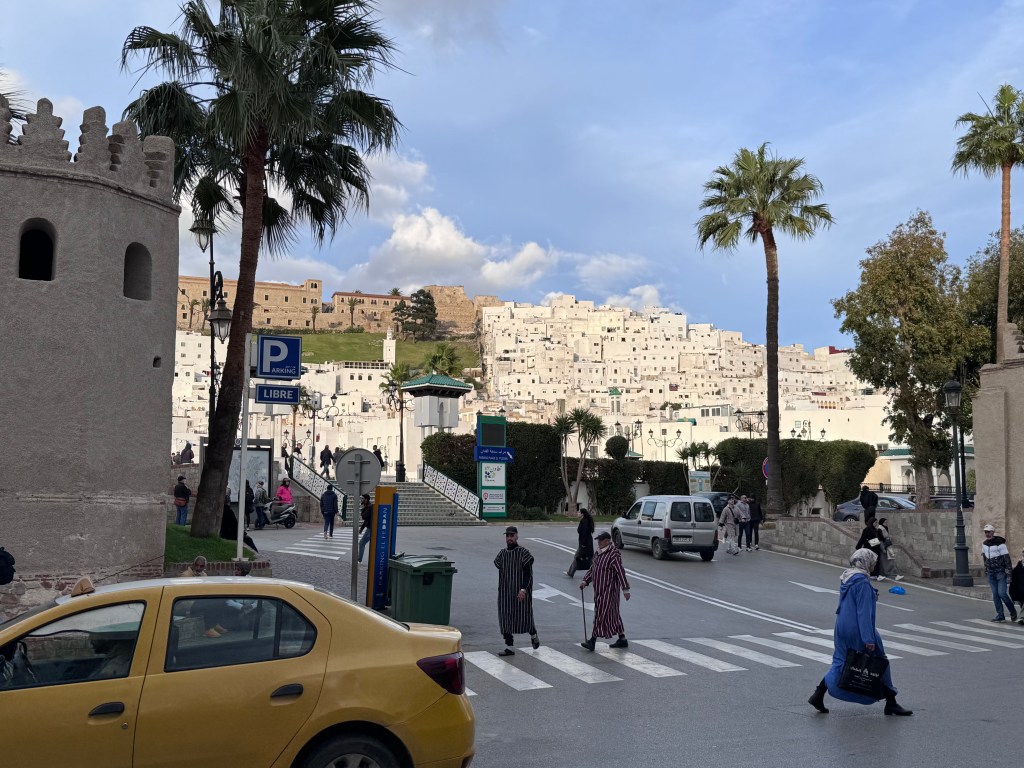
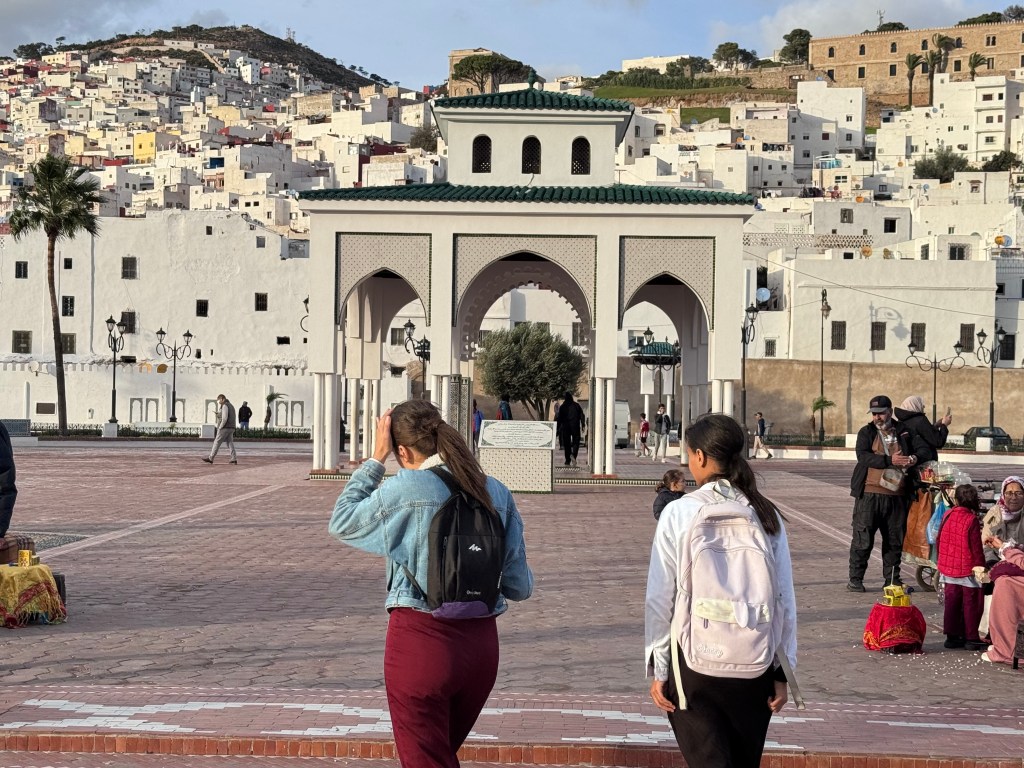
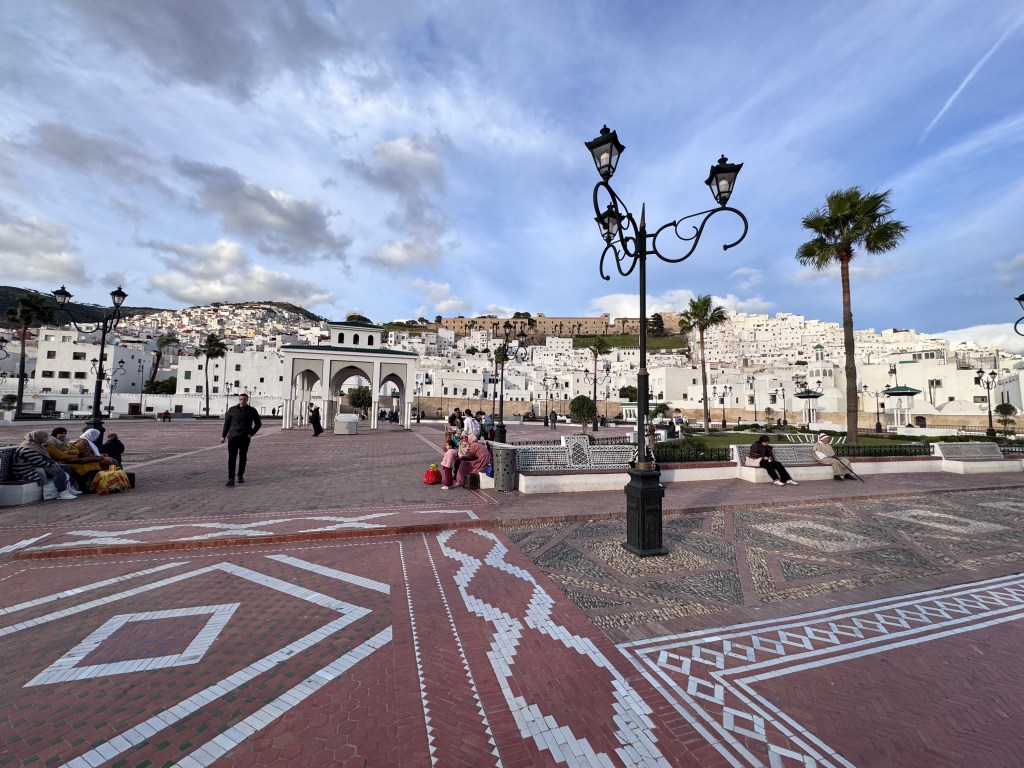
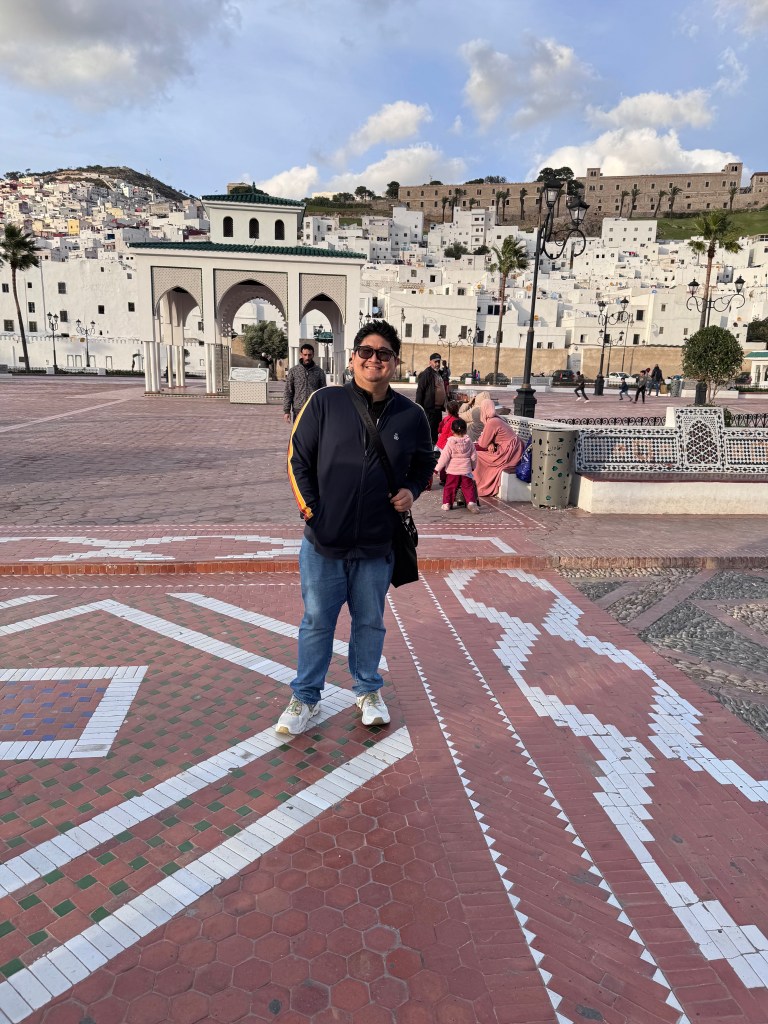
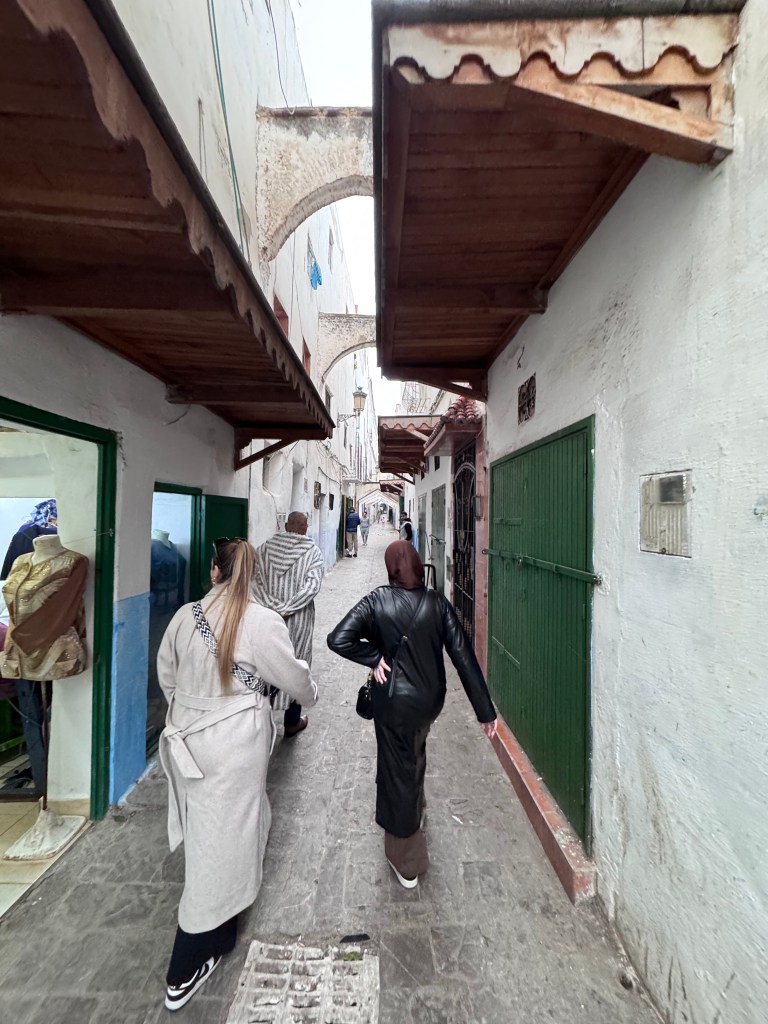
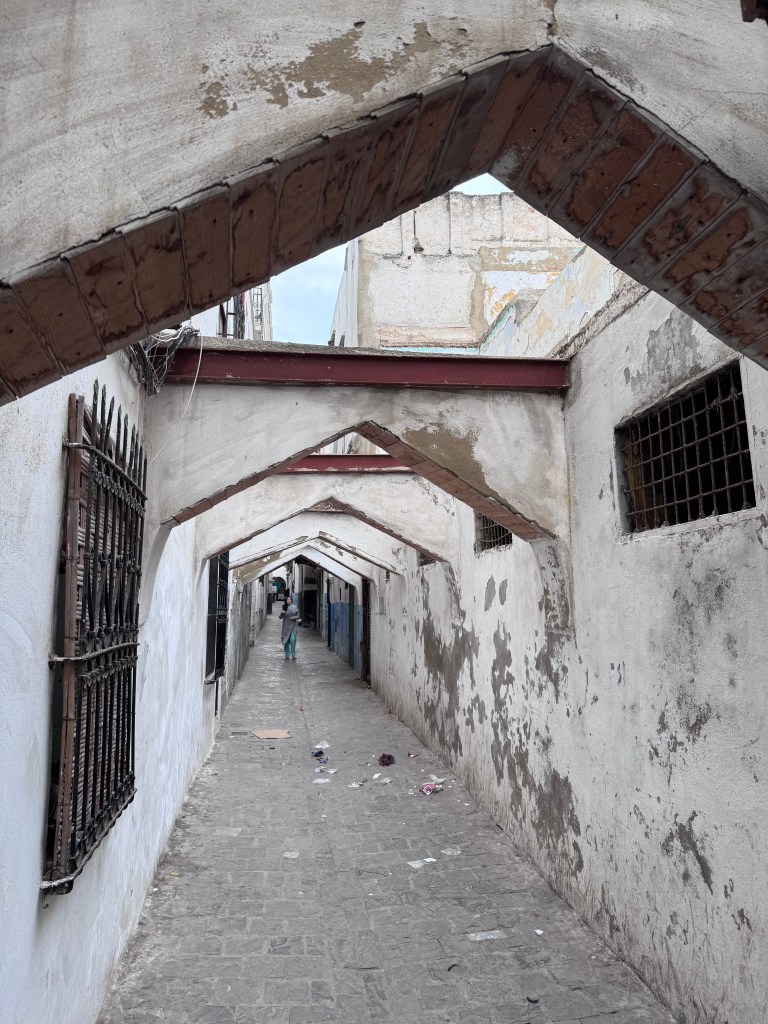
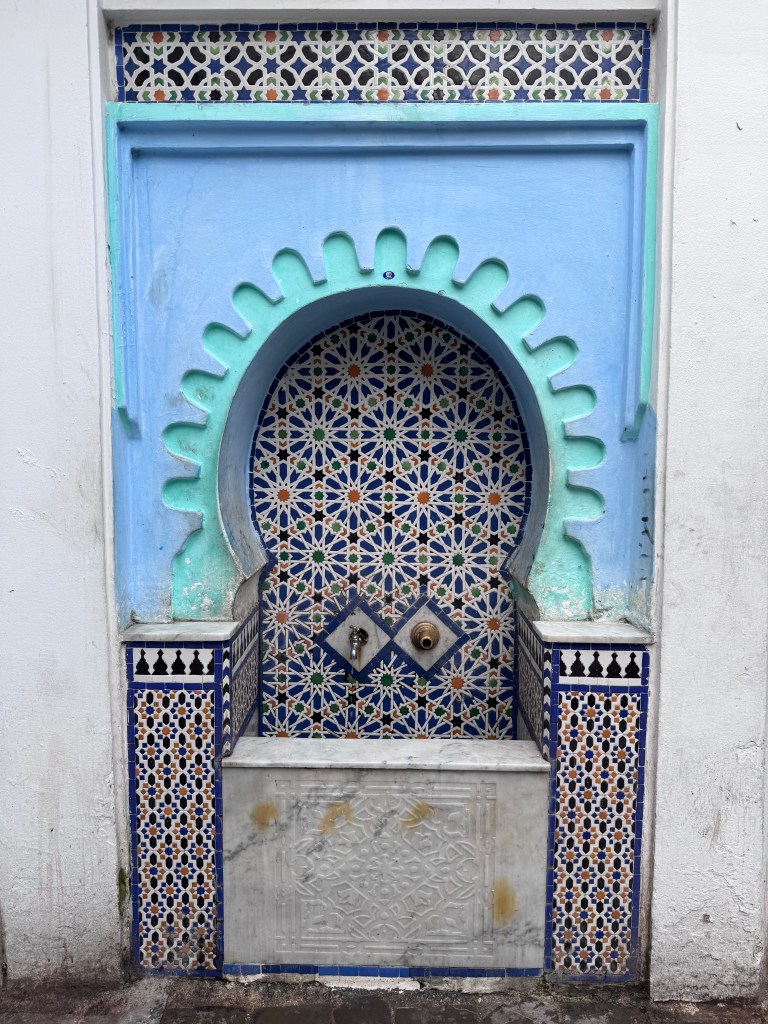
This is the simplest political history of the city, which may also explain why this World Heritage Site (WHS) is an entanglement of Moorish, Hispanic (Andalusian), Jewish, and Moroccan traditions. The official name of the UNESCO-inscribed WHS is the Medina of Tétouan. Inscribed in 1997, this heritage site is known for its exceptional Andalusian-influenced architecture. The 8th-century, 5-hectare site boasts white-walled houses, narrow alleyways, and green-tiled structures.
This WHS is characterized by narrow, labyrinthine streets, dense residential quarters, specialized qaysariyyāt (craft areas), and three distinct neighborhoods. Important landmarks include the Medina walls and gates, historic mosques, and distinct riyāḍ (small courtyards). The historic wall is approximately 5 km long and is accessed by seven gates. The urban layout features main streets linking the gates to one another, providing access to open spaces (squares and smaller squares) and public buildings such as funduqs (traditional, multi-storied inns and commercial centers found in historic North African and Islamic cities, functioning as urban hubs for merchants to lodge, store goods, and trade), mosques, and zawiyas (Islamic religious institution, primarily in North Africa and the Maghreb, serving as a Sufi school, community center, monastery, or mausoleum), as well as to the artisan and commercial districts. It also includes smaller lanes leading to passages and semi-private residential areas.
This WHS is a true synthesis of Moroccan and Andalusian cultures. The historic town of Tétouan presents urban and architectural features that have influenced architectural and artistic development during the period of the Spanish Protectorate. The town of Tétouan is famous for its school of arts and crafts (Dar Sanaa) and its National Institute of Fine Arts, which testify to an ancestral tradition and an opening onto the world today.
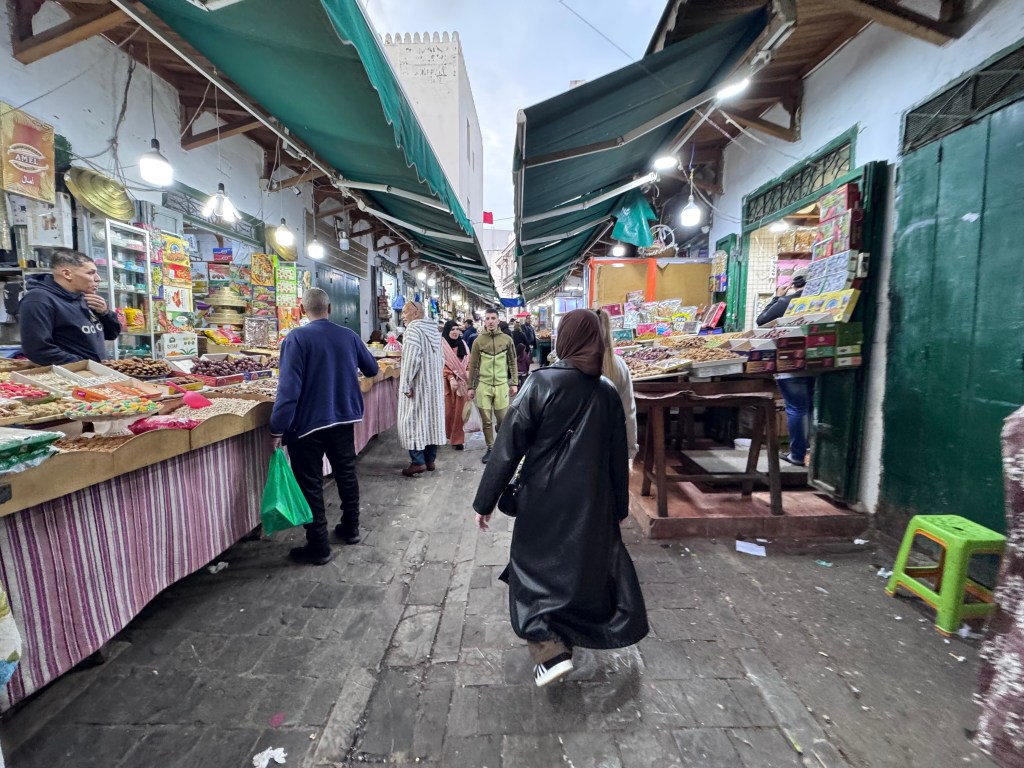
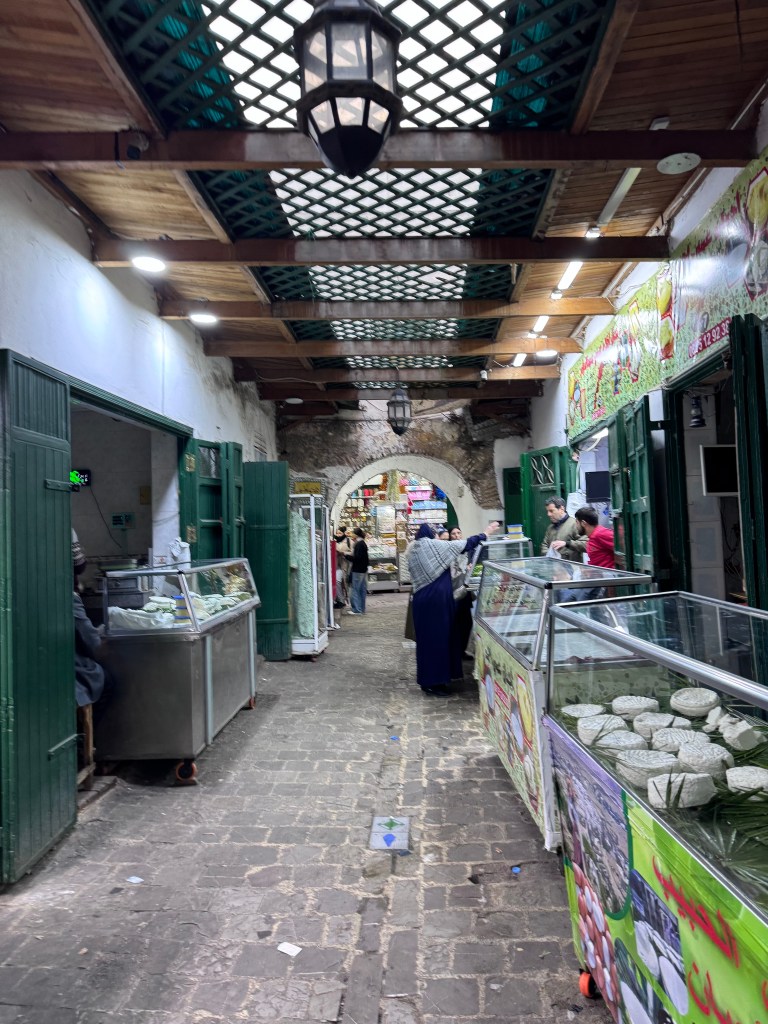
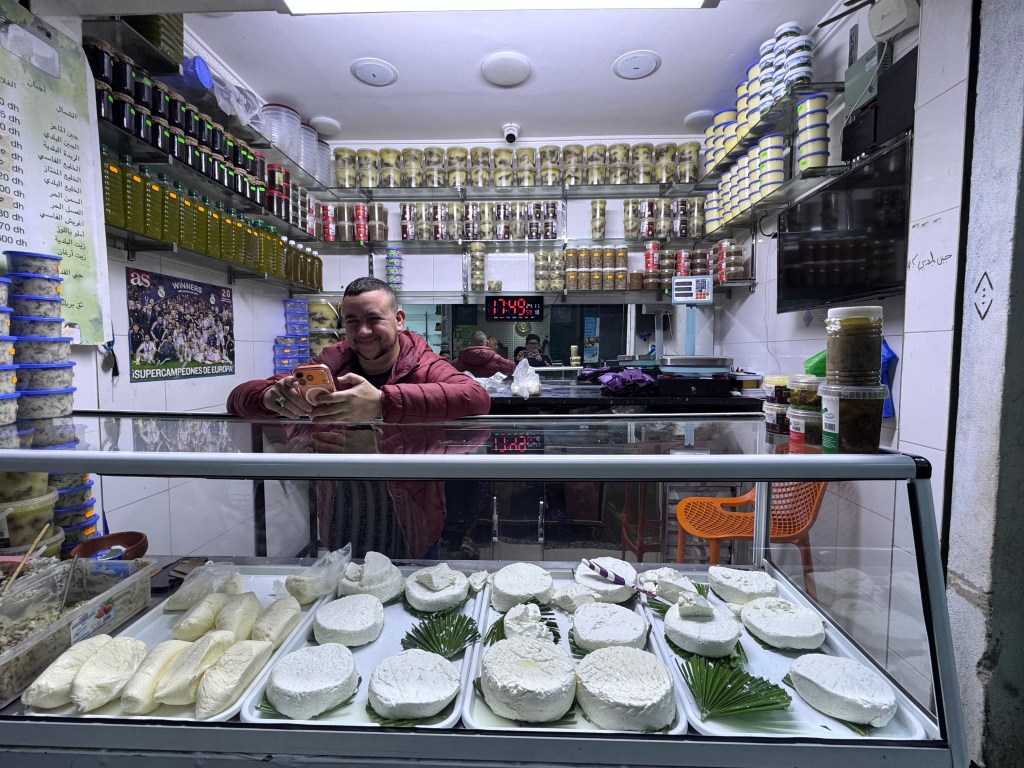
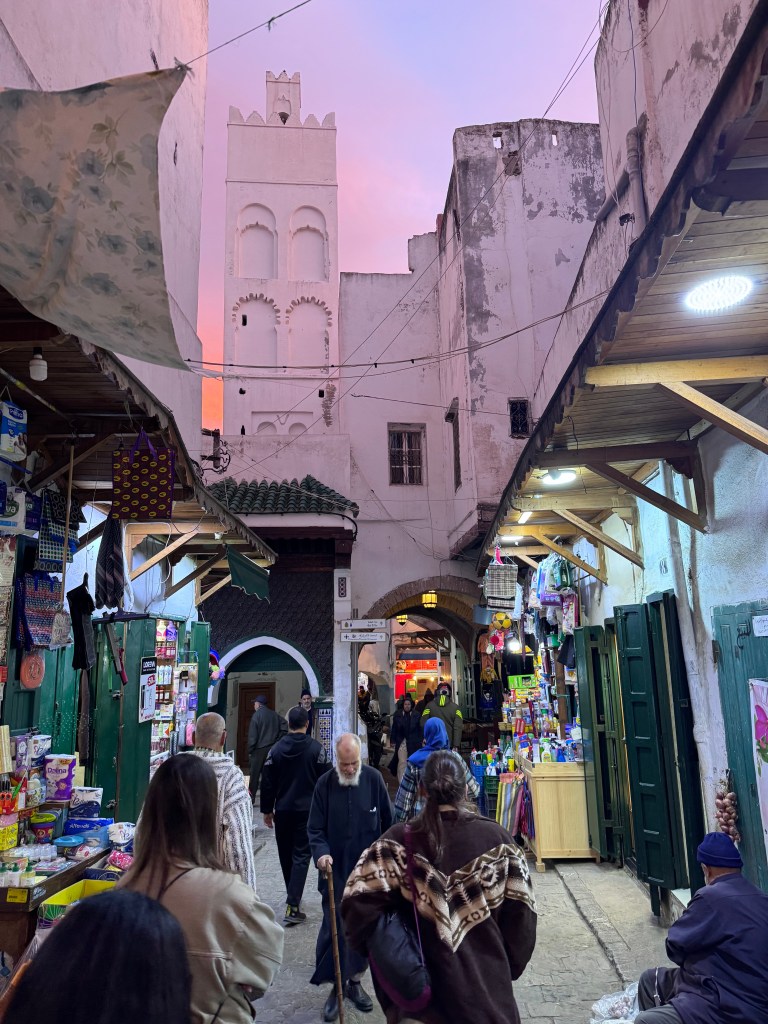
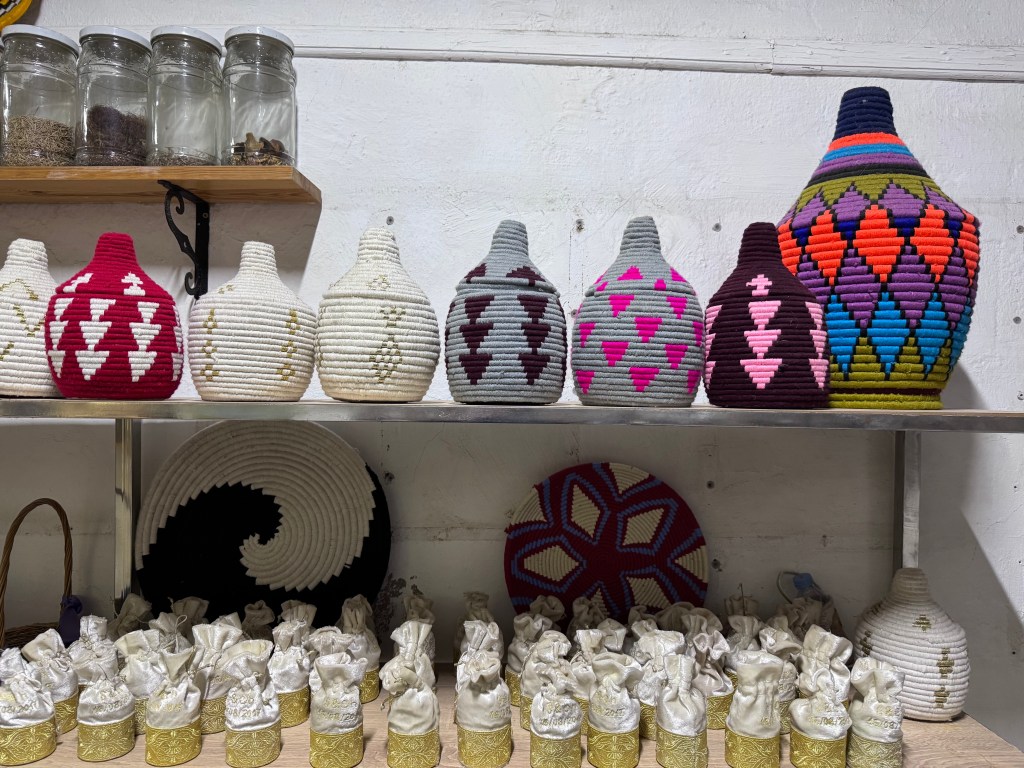
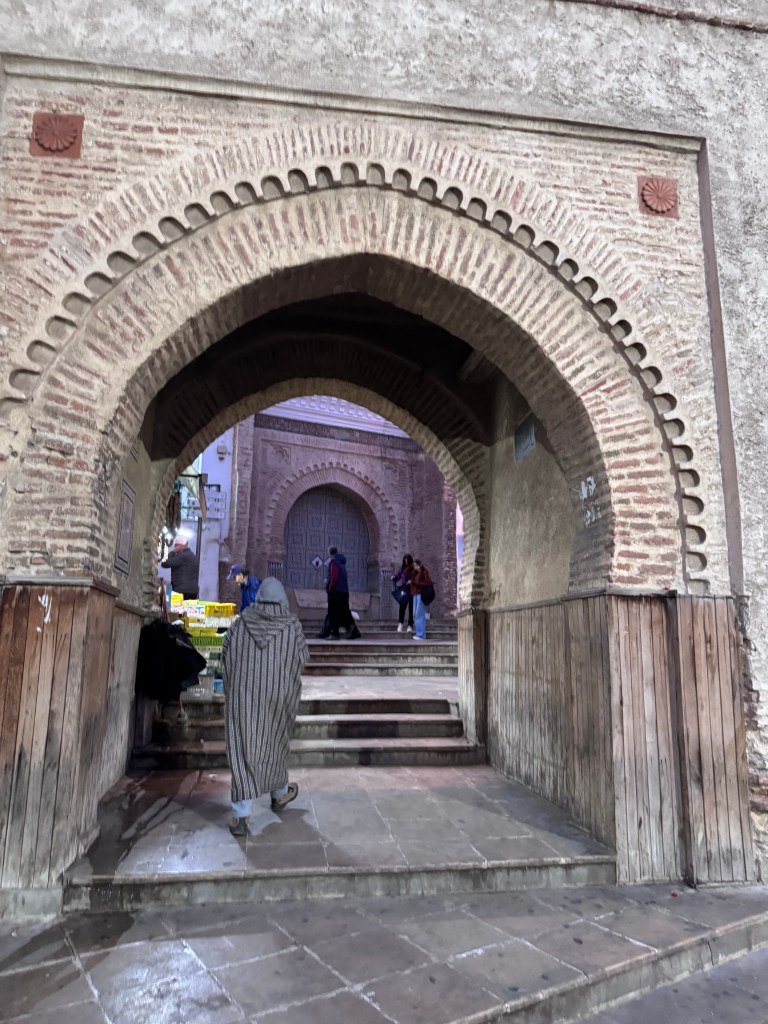
In addition to being a WHS, Tétouan is a UNESCO Creative City for its folk art. The Dar Sanaa (School of National Arts and Crafts) allows visitors to see artisans training in traditional techniques such as zellij tilework and wood staining. Folk art activities date back to the city’s founding in the 15th century. They continue to influence the city through urban planning that establishes craft neighborhoods encompassing Zellige, Taajira embroidery, encrusted and painted wood, and wrought ironwork. Building on its Arab-Andalusian heritage, Tétouan’s arts and crafts are distinguished by a unique know-how perpetuated by its master-craftsmen and women.
I remember Iligan City’s bid last year to become a UNESCO Creative City for Folk Art. Unfortunately, the city was not successful. Personally, I thought the city had a chance. Iligan City’s folk art is as magnanimous and outstanding as those I encountered in Tétouan. In fact, I thought Iligan had an edge because, beyond material traditions such as tilework, wood staining, and embroidery, Iligan is also home to performing arts traditions that are ingenious and creative, promote social cohesion, bring the community together, maintain cultural identity, and foster mutual respect and understanding. These performative practices are passed down through families, groups, or societies, forming a core part of their social fabric. Therefore, they are embodied archives that keep cultural memories alive. In this regard, Iligan City is a good example of how community members perceive history as lived, felt, and repeated. These traditions are so diverse – from religious rituals to secular theater to festivals, and even food.
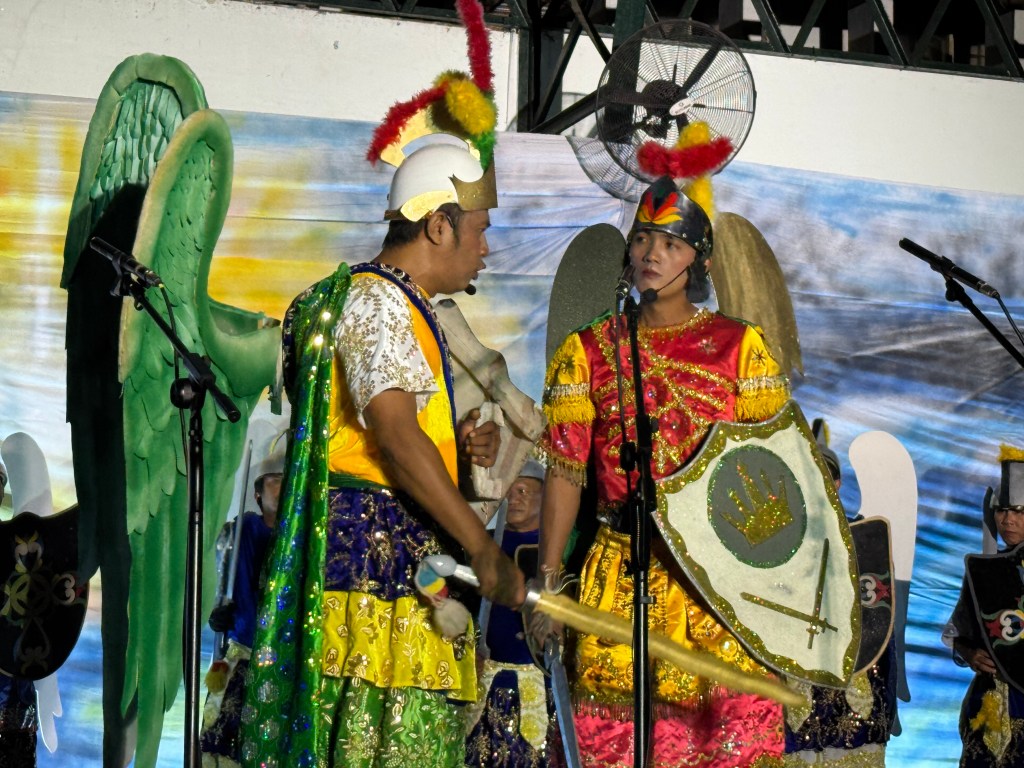
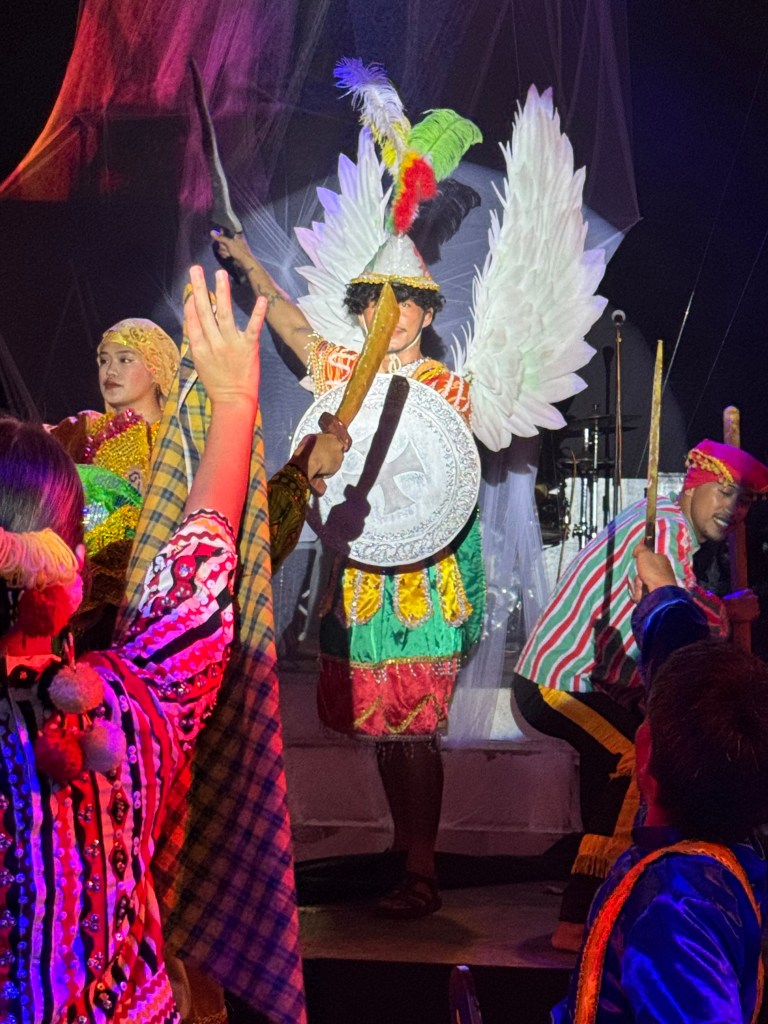
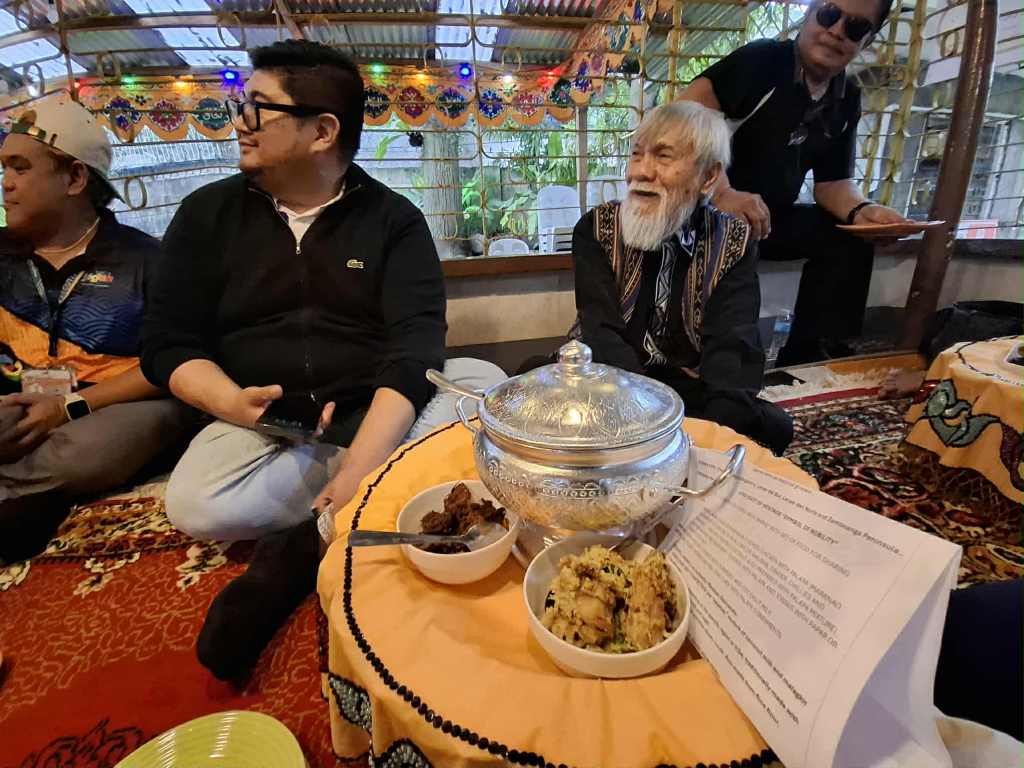
I am not sure what happened or what UNESCO missed in the bid. But the people of Iligan City are not losing hope. In fact, I heard the Mayor and the creative community are reviewing their dossier and will try again in 2027. Perhaps, like Tétuoan, Iligan City can be elevated to WHS and Creative City status. For WHS, maybe the Parish Church of St. Michael Archangel, with its distinctive architecture that reveals how Moorish art also influenced its design, can enter the Philippines’ Tentative List. Then the embodied folk art traditions of Iligan City are a testament to its creative charm.
 Tanghal Kultura