
Eh kumusta naman ang iyong trip sa Helsinki? asked by a colleague.
It took me a long time to respond. A part of me would like to say it was traumatic. I wanted to tell her that a group of pickpockets took my wallet and I lost all of my money for the trip, including all my cards. And yes, it was not really good.
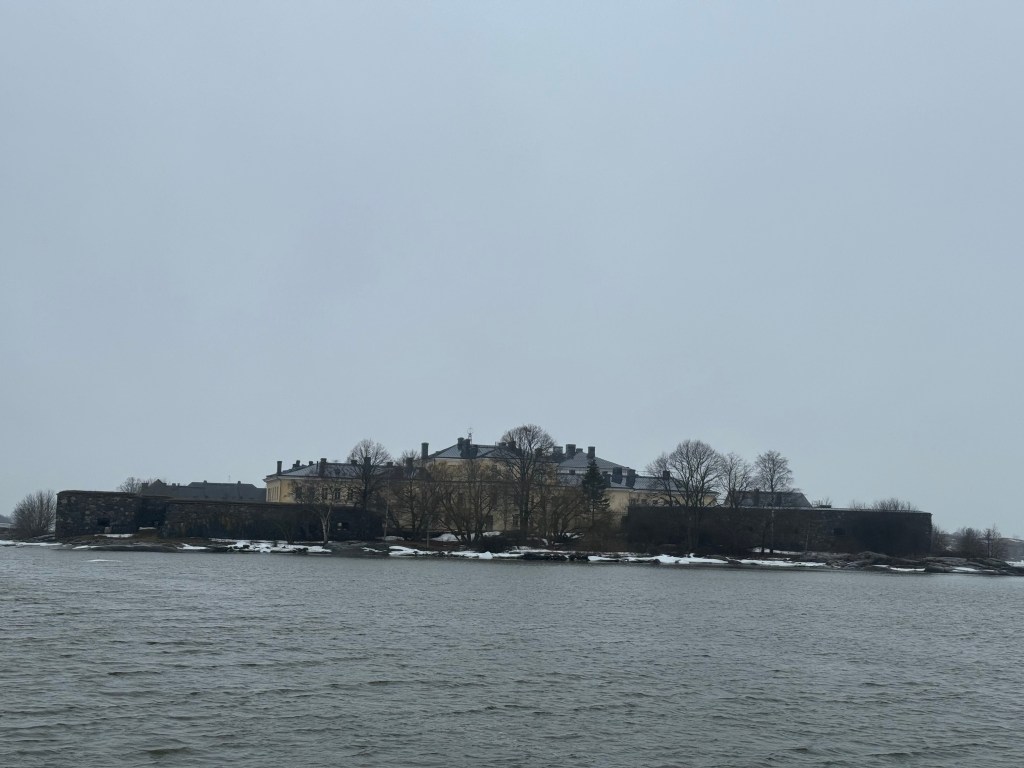
But another part of me was earnest to tell about the trip to Suomenlinna Fortress, a UNESCO World Heritage Site located on the coast of Helsinki, and also a village (like a Barangay in the Philippines) with about 800 residents as mentioned by one of the museum guides in the fortress.
For a strange reason, I just gestured male-mala (contextually means it was okay). I guess I was still denying that despite the pickpocketing incident, I still enjoyed the tour. However, Helsinki was not my memorable encounter in Finland. It was really Suomenlinna. While I was not able to expound my memories of the fortress, let me just imagine myself chatting with my colleague and talking about this World Heritage Site.
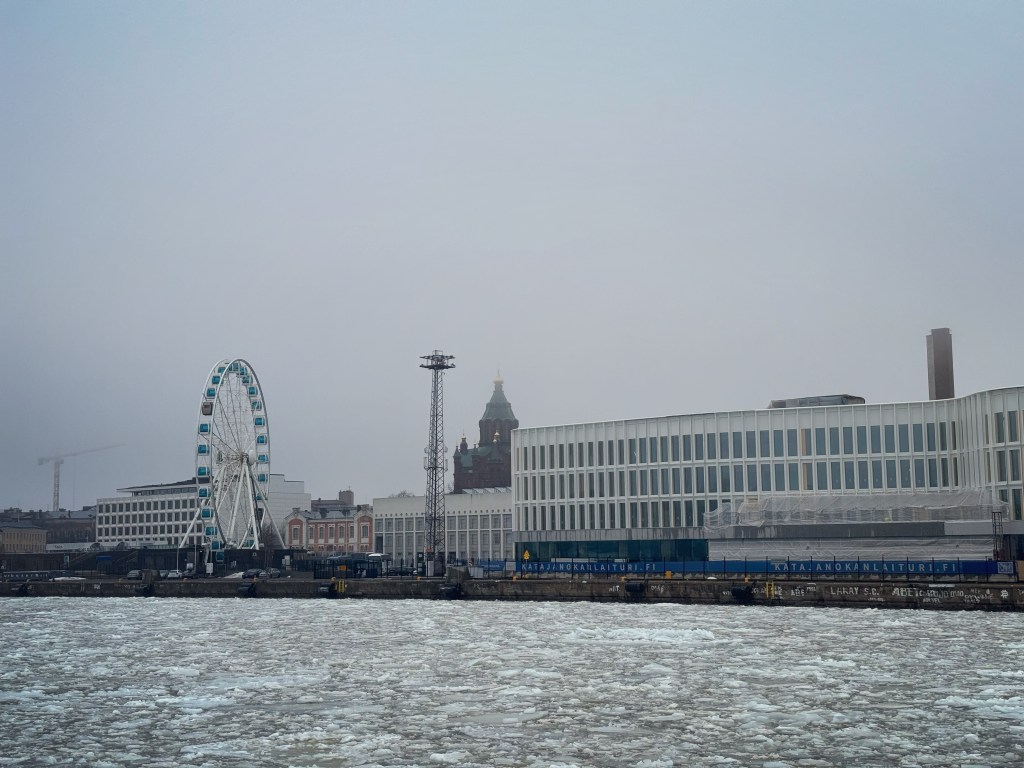


Going to the Fortress was super easy. Thank God for the Helsinki City Card, which allowed me and my colleagues to hop on a water bus that departs every 40 minutes from the Kauppatorri Harbour (Market Square Harbour) to the fortress (an island fortress). Probably because it was winter, it took about 30 minutes to reach the island. According to the people we met in the island, during the summer, traveling to the fortress only takes about 15 minutes. The thick ice on the sea during the winter makes travel very difficult to and from the island. At least for us, new to the cold weather, we enjoyed the very cold wind. A few of us braved the cold at the open-deck of the water bus while most of the commuters kept themselves dry inside the heated cabin of the vessel.
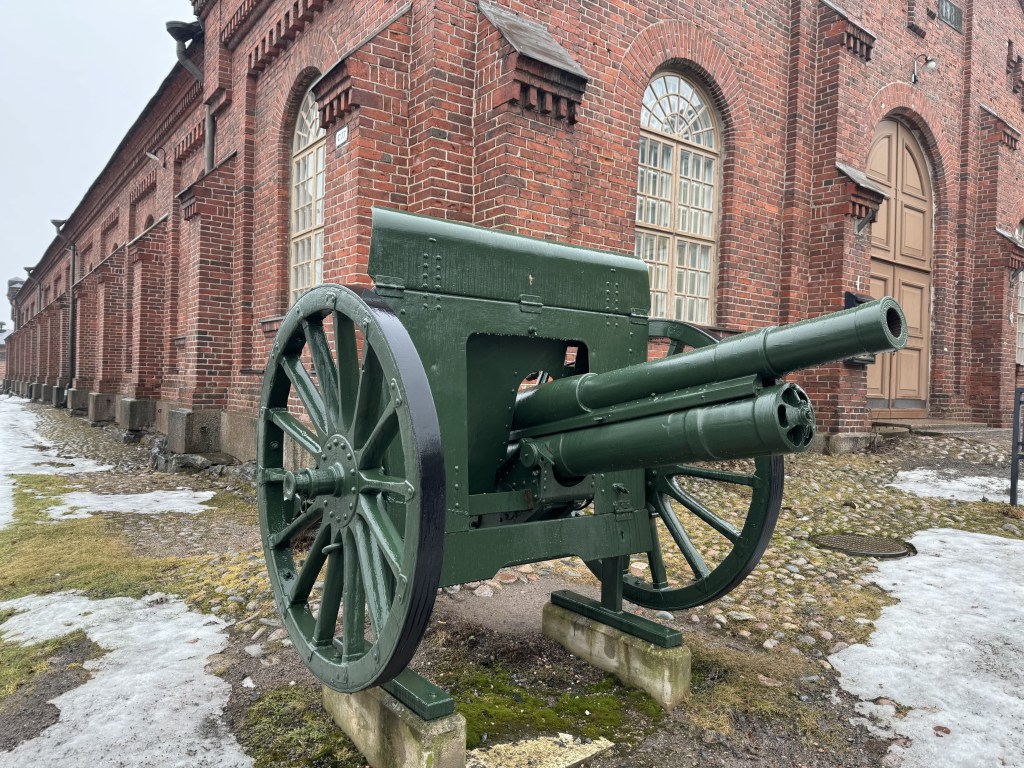
Based on the materials gathered from the museum (e.g. the documentary film, the brochures, and other displays), the fortress was shaped by three historic eras: Swedish, then Russian, and penultimately Finnish military history. The map cum brochure notes there are six kilometres of walls, I am certain I was not able to follow the trail of the walls – it was really cold, and it showered when we arrived there. The fortress is also home to 100 cannons. However, I believe I only saw five (two outdoors and three inside the Military Museum), some tunnels, and beautiful parks.


One of my favorite sites in the fortress is the Church (Suomenlinna Church), which welcomed us a few meters after entering the main fortress gate after hopping off the water bus. The structure is currently used as a lighthouse but once in a while it returns to its religious origin when couples decide to exchange their vows inside or even outside the structure. A very interesting trivia I learned from the brochure is that the beacon emits four consecutive flashes at nighttime. These flashes in the Morse code represents the letter H. This accordingly stands for Helsinki.
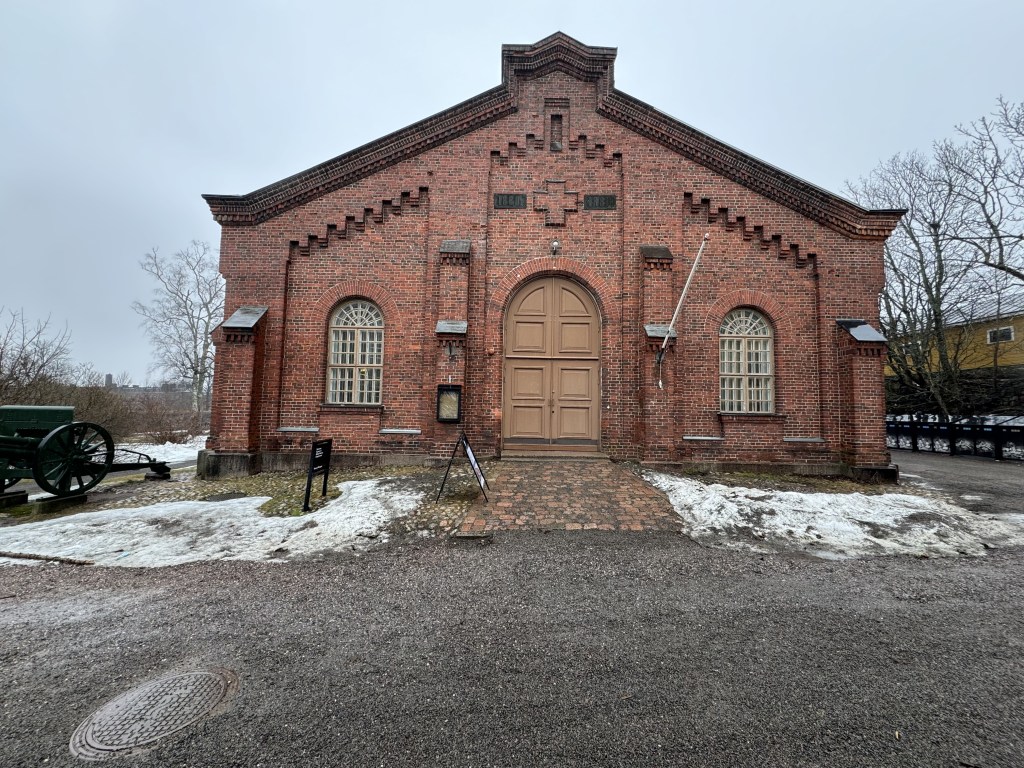
A ten-minute walk from the Church is the Military Museum of Finland. During the trip, the museum was our shelter. The rain poured heavily upon reaching this area of the fortress. However, we are thankful for the rain. Had it not rained, I do not think my colleagues would be willing to spent thirty to forty-five minutes inside a museum dedicated to the military, considering the history of military in the Philippines is spoiled by not-so-pleasant memories (i.e. the Martial Law in 1972 and the war-on-drugs program in the most recent history of the nation). But this museum is really inspiring because it featured the nationalist fervor of the Finish army in the history of the country since its independence in 1911. I just need to mention that we were able to get access to the museum because of our Helsinki City Card.
Our next stop was the Suomenlinna Museum, which features a permanent collection of the fortress’ history of more or less 300 years. The museum gave us a glimpse of Finland’s colonial past, beginning with the colonization of Sweden and later Russia.

The museum is the final structure before crossing the bridge onward the smaller island. Despite the very cold late afternoon, some of us decided to do some exploring while others decided to stay inside a building where there was heat. Based on map displayed at the museum, the smaller island is popular for its shipbuilders and artisan residents. Unfortunately, the shipbuilding site is off limits to nonresidents. At the same time, the folk artists present their traditional crafts and open their workshops until 4 in the afternoon. By the time we reached the bridge, it was already 4:10 PM.
We were able to reach the open-air theatre. At this point, we decided to return to the main island because we could no longer sing Elsa’s favorite line: the cold bothered us already! The different bastions and the very popular The King’s Gate are located in the small island. Unfortunately, the King’s Gate was closed at the time of the visit.
Suomenlinna’s inscription is based on it being an outstanding example of general fortification principles of the 17th and 18th centuries, notably the bastion system, and also showcases individual characteristics. According to UNESCO, Suomenlinna consists of several defensive and utilitarian buildings that blend the architecture and functionality of the fortress within the surrounding landscape. The property includes the islands upon which the fortress was built. This forms a consistent ensemble extensive enough to preserve and present the values of the property. Most of the fortifications and utilitarian buildings dating from the Swedish and Russian periods are well preserved. The fortress has only a few buildings dating from the Finnish era, but they retain their own distinctive identity. A sharp rise in sea level or increased rainfall could threaten the property.

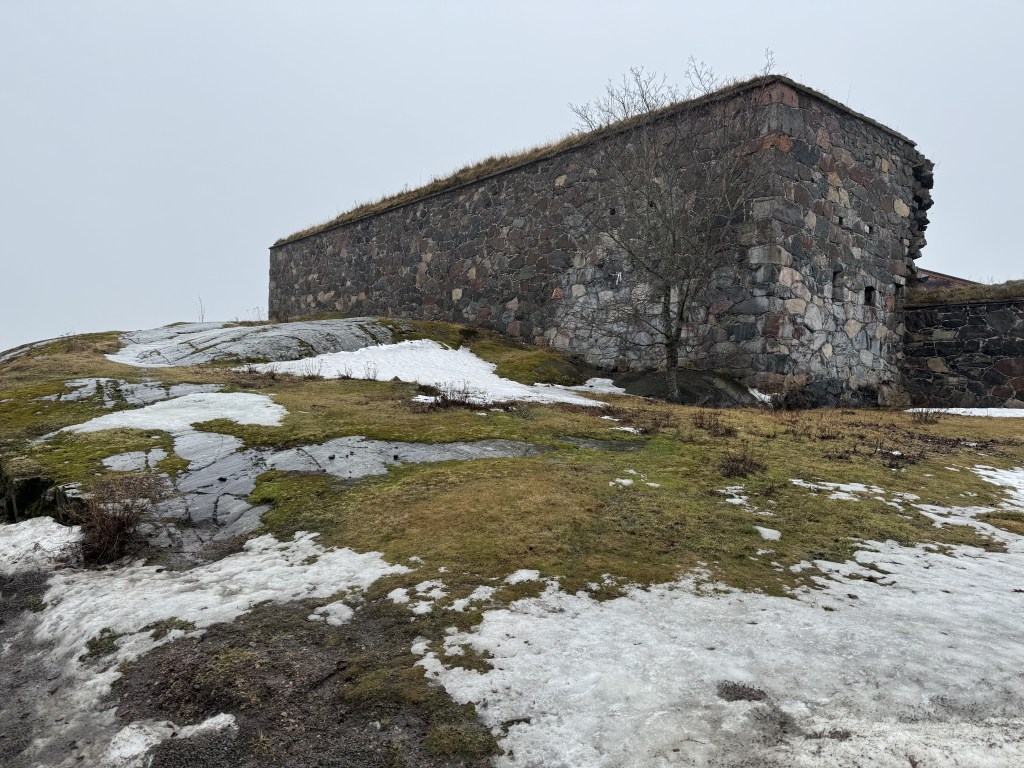
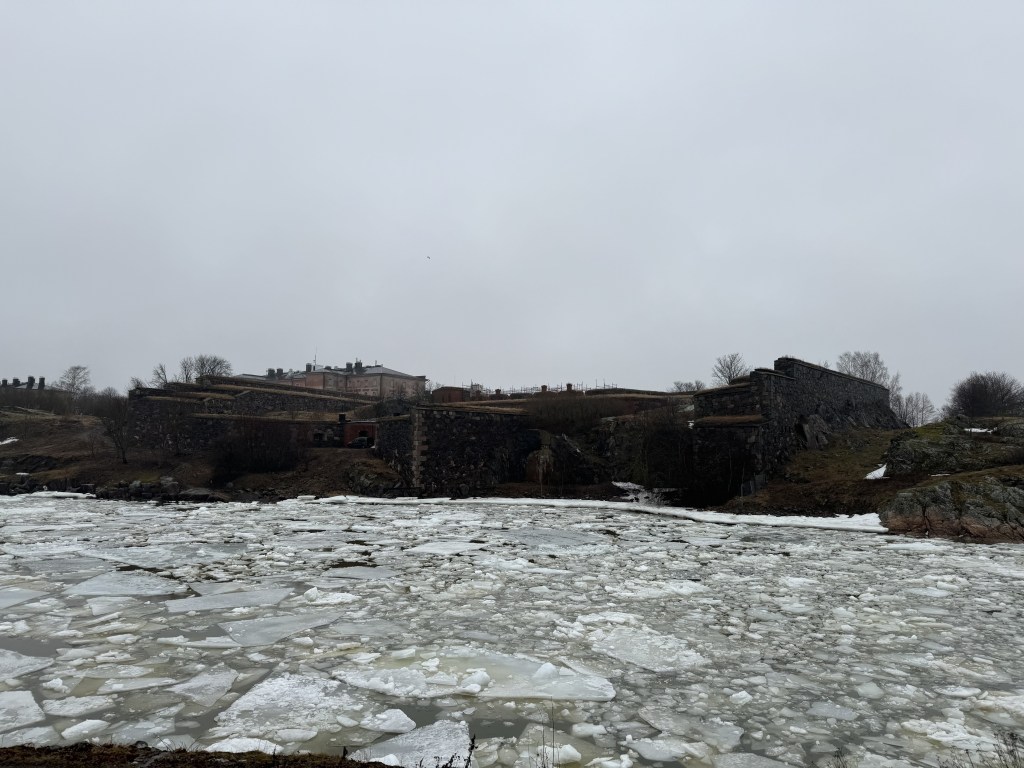
As per its feature of authenticity, the fortifications and the various buildings, all dating from different eras, as well as the surrounding environment, help preserve Suomenlinna’s characteristics, particularly with regard to building materials, methods and architecture. Since Suomenlinna became a residential area, traditional construction methods have been favored to ensure the preservation of the property, and are implemented in a manner that respects its cultural and historical values.
Perhaps there’s a need for me to see the island in spring or in summer? The island’s beauty merged gracefully with the snow. However, its grandiosity may be performing elegantly during springtime when flowers are in full bloom? Well, right now, I do not think I want to go back to Helsinki unless it’s another official trip. The pickpocketing incident overshadowed the beauty of the place. It’s not Helsinki’s fault – I am also partly to be blamed. Why was I bringing all my money – what was I thinking? I forgot that low crime rate does not mean no crime at all.
 Tanghal Kultura