The Great Pyramids at Giza Complex is another highlight of the Holy Land Tour I was part of in December 2022. To describe the pyramids at the complex as “great” is an understatement methinks. They are massive. They are really, really overwhelmingly amazing.
Since arriving in Cairo on 9 December, I have been anticipating this trip to the pyramids. The nighttime we arrived at Cairo after a long drive from the Taba border between Egypt and Israel, I was really imagining myself overwhelmingly amazed as I stand before these huge ancient skyscrapers. One thing I learned while in Cairo – the pyramids are located in another city. All the while, I thought these were in Cairo. A staff in the hotel corrected this misconception and explained Giza is not Cairo, in as much as Cairo is different city from Giza.
Anyhow, the next day, as our bus crossed the boundary between Cairo and Giza, the pyramids were already staring and waving at us. As we passed by huge buildings – their greatness were slowly revealing themselves to us and even overpowering the tall buildings of the city we passed by.
Another realization: these giant structures are closer to the city than I expected. For a strange reason – I thought we would be traveling a vast dessert before being able to reach these mega-structures. I imagine sand dunes and some oases before finally reaching the first pyramid and the sphinx. I guess this idea was owed to popular culture. Also, my idea of a dessert was nothing close to any urban landscape. I apologize for this ignorance because the closest dessert I experienced was the sand dunes in North Philippines. I was really surprised that the structures are within reach the city. They are in fact, part of the urban landscape of Giza. I am also surprised that a few meters away from the Sphinx are restaurants and hotels. In fact, we even walked inside a popular pizza house, with various franchises all over the world. I remember seeing the most popular fried chicken restaurant, whose logo is a white-bearded colonel. Anyhow, I think the pyramids are part of the complete picture of Giza’s skyline.
The Pyramids are part of what is called the Giza Pyramid Complex or the Giza Necropolis. The complex is home to three huge pyramids: the largest is obviously named as the Great Pyramid (attributed to Khufu) and the two others are attributed to Khafre and Menkaure. While we are familiar with the three giants in popular literature, each pyramid has its own complex (including smaller pyramids, temples, and cemeteries) and the Great Pyramid is associated with the Great Sphinx. All were built during the Fourth Dynasty of the Old Kingdom of Ancient Egypt (Between 2600 and 2500 BCE).
The entire Necropolis is part of a huge complex system called Memphis and its Necropolis – the Pyramid Fields from Giza to Dahshur, inscribed as a UNESCO World Heritage Site in 1979. Memphis is the capital of the Old Kingdom of Egypt and the entire property has some extraordinary funerary monuments, including rock tombs, ornate mastabas, temples and pyramids. Since the ancient times, the Giza Necropolis was considered one of the Seven Wonders of the World.
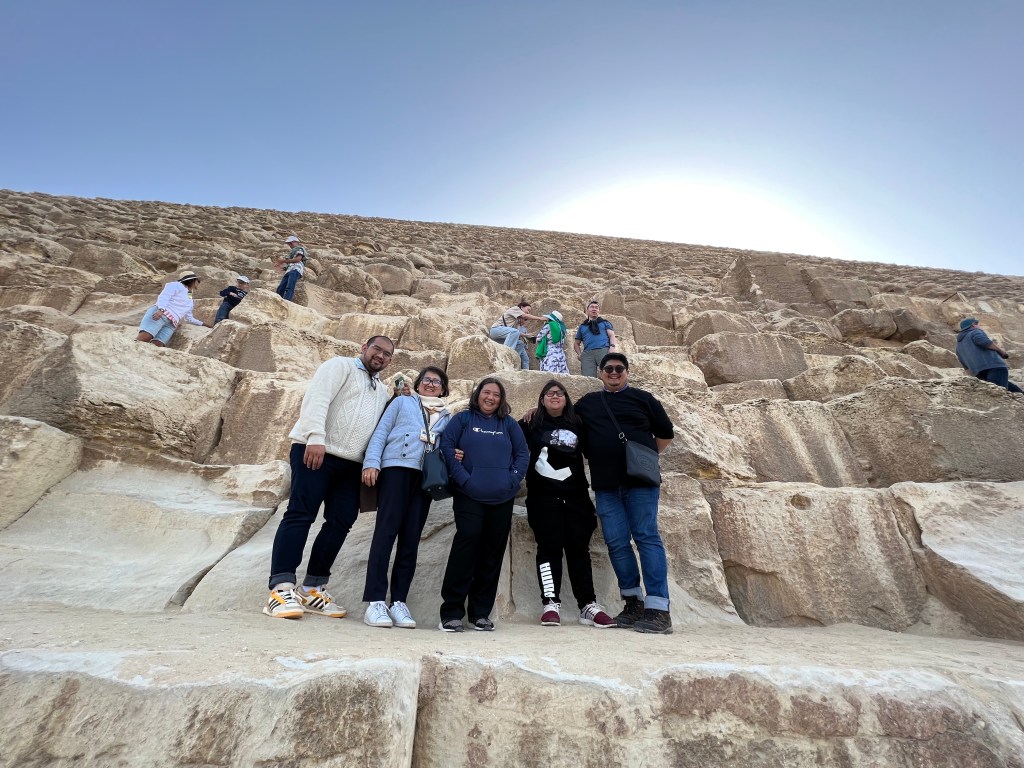
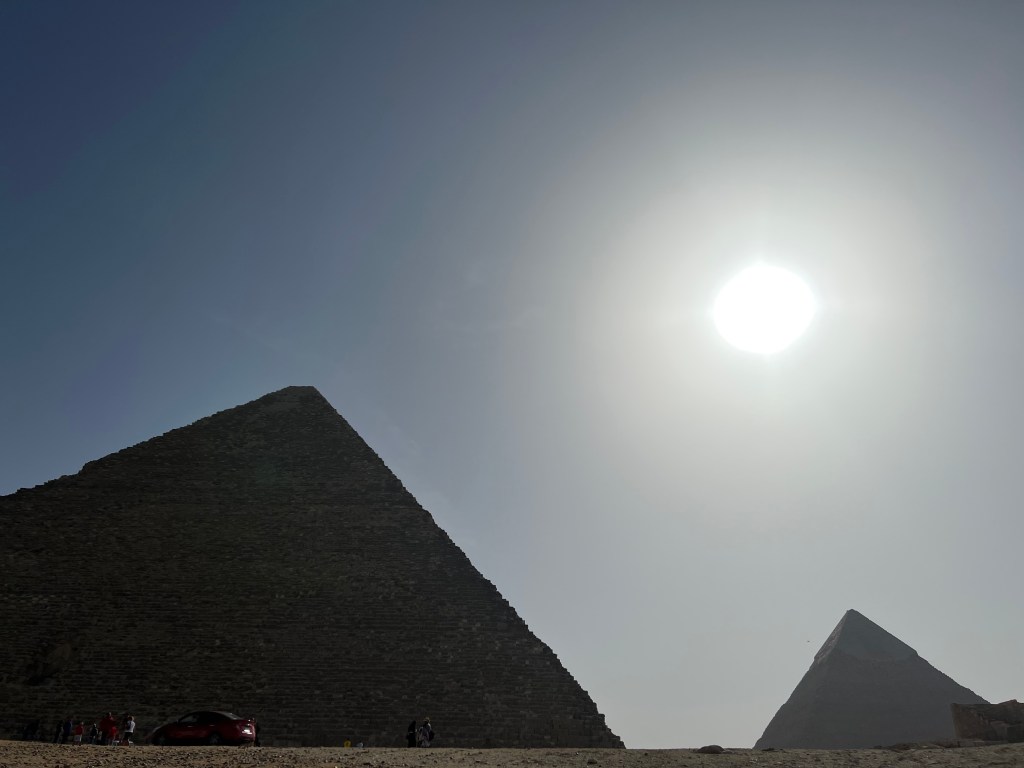
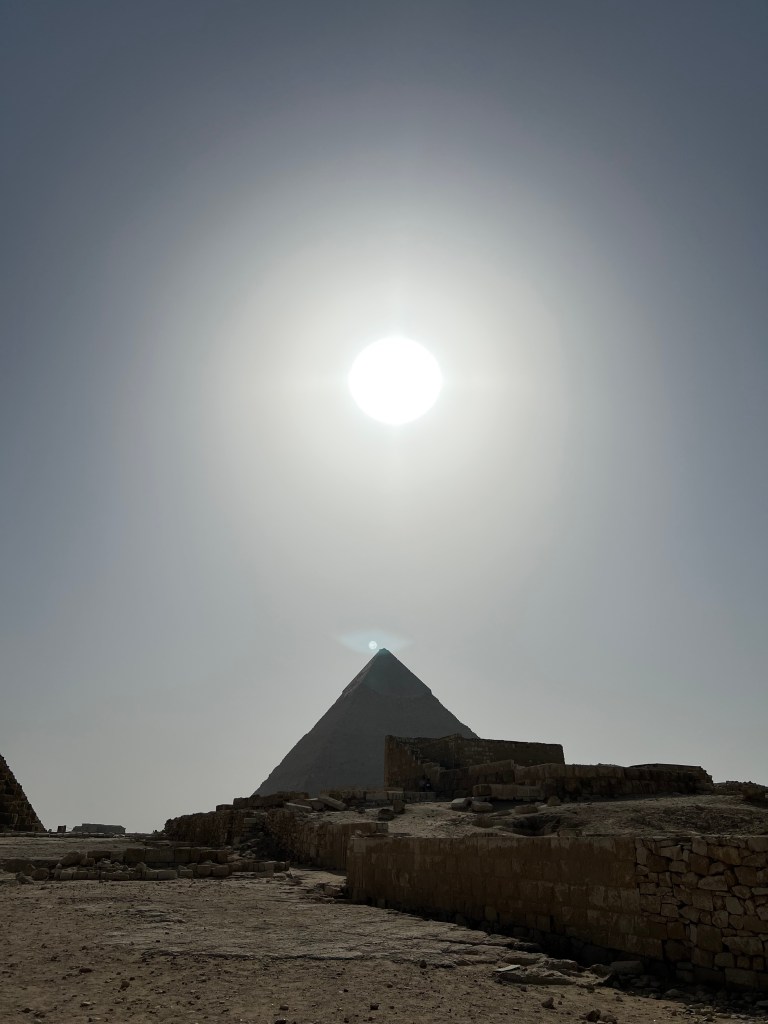

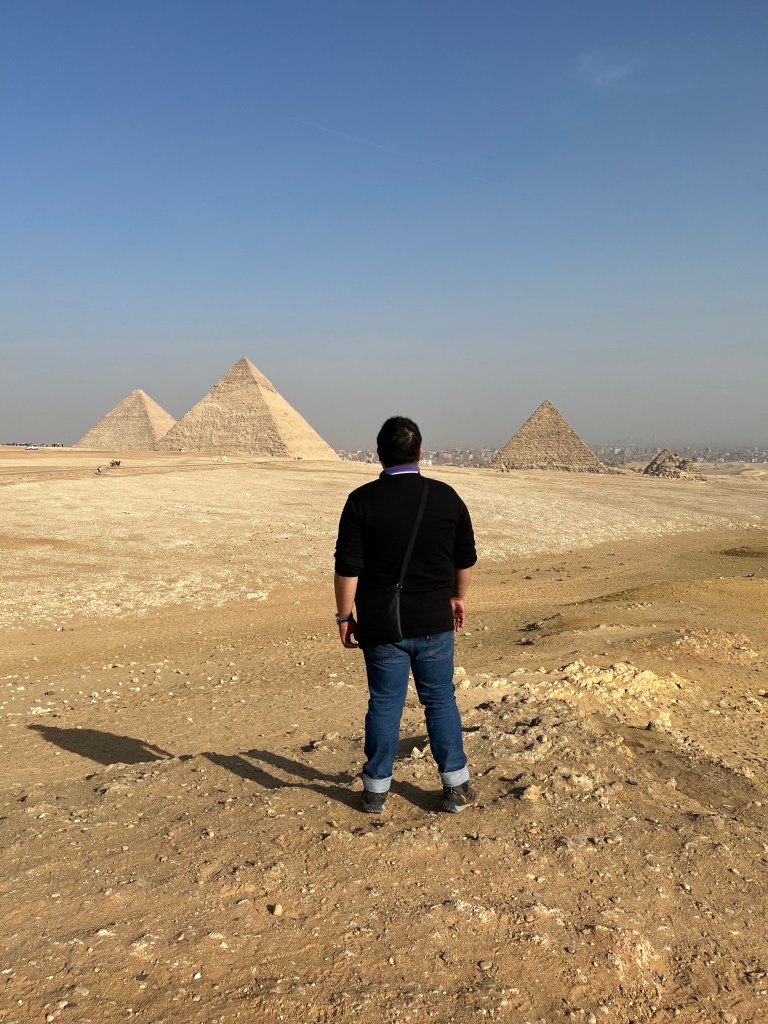

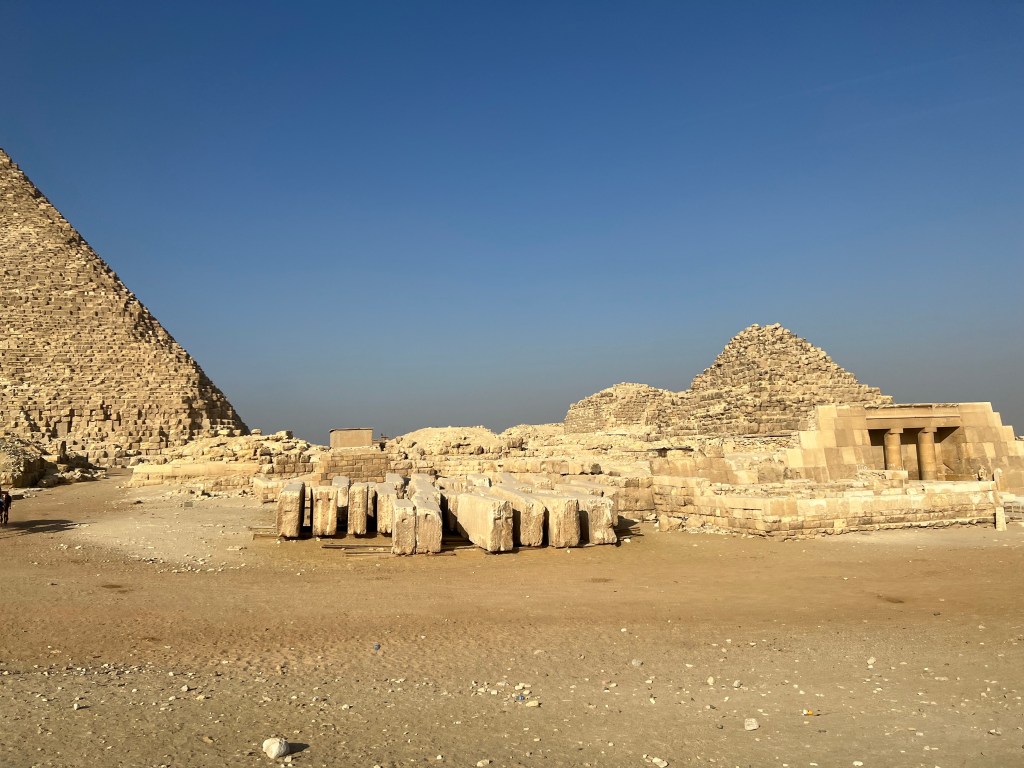
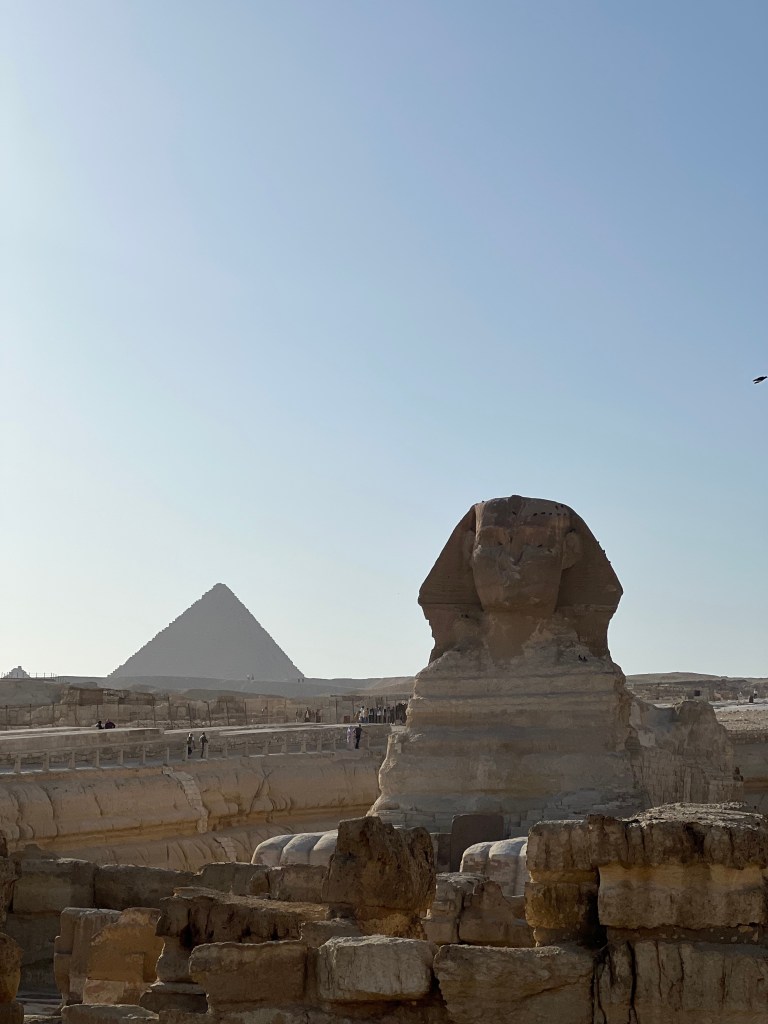

In this regard, the Pyramids are a great representation of how the Egyptians glorify life after death because these structures were built as monuments to house the tombs of their great leaders, who during the ancient times were also believed as the direct descendants of their gods and goddesses. What we can learn from these structures is that they remind us, death was the beginning of a journey to the other world. Like in the Philippine traditions, death, while seen as the end of life, it is viewed as the beginning of eternal life. Because of this, it is important for a Filipino family to value and reminisce the beautiful life of a loved-one, very necessary for the dead to enter eternal life. As they say, crying for the dead also signifies that the life lived of a loved-one was extraordinary. This would make the entrance to afterlife easier.
In the Catholic tradition, a resting place is also important, which is believed to be the portal of the dead to the afterlife. The oral tradition of eulogy or pagalala in the Philippines is to the hierograph or pictographic writings on the walls of the tombs beneath the pyramids in Egypt; the pyramids in Egypt are to the resting places (i.e. cemetery and columbarium) in the Catholic tradition in the Philippines. Both are considered portals to the afterlife.
The huge complex was inscribed on the following reasons. First, the ensemble of archaeological and architectural structures exhibits an important interchange of human values, over a span of time or within a cultural area of the world, on developments in architecture or technology, monumental arts, town-planning or landscape design. According to UNESCO, it was in Memphis where one of the most important monuments of the ancient world was founded: The Great Pyramids of Giza, the only surviving wonder of the ancient world. Somewhere in the vast complex is the Pyramid Complex of Saqqara, another ancient masterpiece of architectural design, containing the first monumental stone building ever constructed and arguably the first pyramid ever built (the Pyramid of Djoser, or the Step Pyramid). The complex is also home to the statue of Rameses II, a 3,200 year-old figure, made from limestone, and weighs about 83 tons, and the pyramids of Dahshur are found.
Second, the ensemble of ancient structures and associated archaeological remains bear a unique or at least exceptional testimony to a cultural tradition or to a civilization which is living or which has disappeared. The exceptional cultural tradition in this complex dates back to formation of Pharaonic civilization, reflecting the development of funerary monuments, and the remains of the city, together form an exceptional testimony to the power and organization of the ancient capital of Egypt.
Finally, Memphis is associated with the religious beliefs related to the God of the Necropolis “Ptah” who was sanctified by the kings, as well as with outstanding ideas, artistic works and technologies of the capital of one of the most brilliant and long-standing civilizations of this planet. Therefore, it is directly or tangibly associated with events or living traditions, with ideas, or with beliefs, with artistic and literary works of outstanding universal significance.
A piece of warning though: do not expect to see the entire burial complex inside these pyramids. The burials are reconstructed in the National Museum of Egypt. The reconstruction on a different and secured venue is important because Egypt is still a very popular place and a hotbed for looters of antiquities and ancient memorabilia. That said, do not waste your time lining up on the entrances leading to the inside of the pyramids if you want to see the ancient burial places. But if you want to experience what it feels to be inside the huge pyramids, go ahead and experience the literal darkness inside.
On a more personal note, my idea of the Great Pyramids are based on two biblical narratives, and apparently turned into beautiful musicals: Joseph’s story in the book of Genesis, and Moses’s in Exodus. And I guess, these narratives are also the reasons behind the Great Pyramids’ insertion to the whole performative Holy Land pilgrimage package.
 Tanghal Kultura